Independent sourcing. Better connections.Commercial buyers · Bulk ingredients
tag

Food processing

Food processing brings together ingredients with distinct forms and handling needs: pulses, nuts, fruits and vegetables, and anhydrous milk fat. The collection does not identify how any particular lot has been processed. Buyers should confirm the product form, specification and intended-use fit before comparing bulk options.

20 ingredients6 published Insights
EXPLORE THE COLLECTION

Food processing ingredients

Dairy Ingredients

Anhydrous Milk Fat

Anhydrous milk fat (AMF) is concentrated dairy fat used in food processing and culinary applications. Compare its physical form, lot-specific analysis and receiving requirements to find an option that fits your process.

Explore ingredient
Dried Fruits

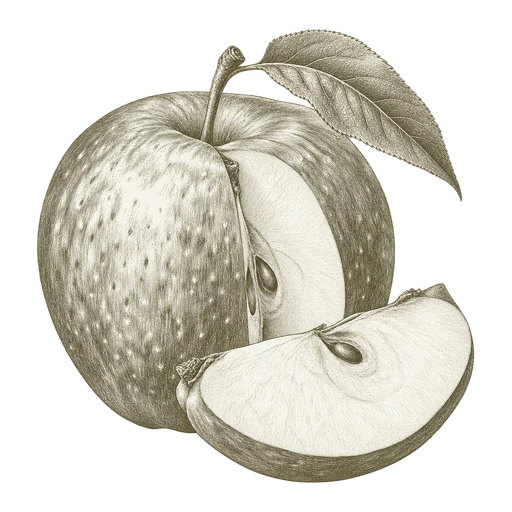
Apples

Bulk apples can mean whole fruit, culled apples, dried forms or apple pomace—the residue from pressing apples. Specify the form and intended use first, then compare grade or lot analysis, preservation, receiving needs and storage requirements.

Explore ingredient
Pulses

Black Beans

Dry black beans are used in packaged foods, prepared dishes and canning. Compare whole versus broken or split composition, and assess canning performance separately when the beans will be processed.

Explore ingredient
Peanuts

Blanched Peanuts

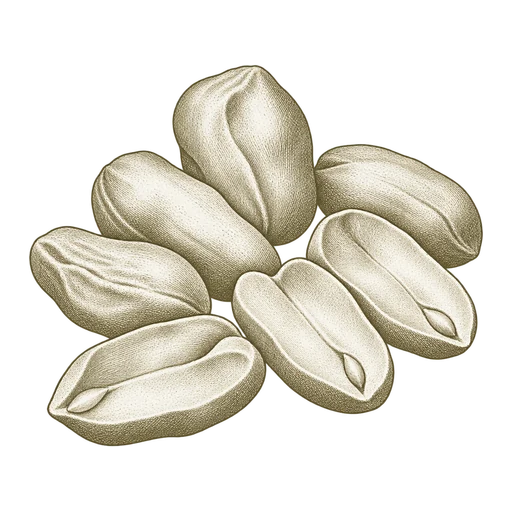
Blanched peanuts are shelled kernels with the red seed coat removed, used in food processing such as peanut butter and salted peanuts. Compare kernel form, heat-treatment status, skin removal, and lot-specific quality information to match the product to your process.

Explore ingredient
Dried Vegetables

Carrots

Bulk carrots can mean fresh roots, frozen or dehydrated product, ensiled feed material, or processing by-products such as juice pomace. Identify the exact form and intended use, then compare moisture and analysis on a consistent basis.

Explore ingredient
Dried Fruits

Cranberries

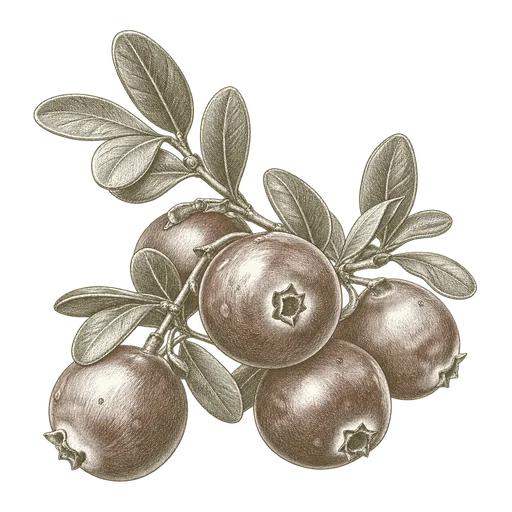
Bulk cranberries can mean whole fruit, juice products, dried fruit, pomace or extracts. Identify the exact form and application, then compare its processing, analysis and handling requirements rather than treating cranberry products as interchangeable.

Explore ingredient
Dried Fruits

Currants

Ribes currants include black, red, pink and white berries used fresh, frozen or in processed food ingredients. Specify the fruit type and distinguish whole berries, juice, preserves and blackcurrant pomace powder, since these forms serve different roles and have different quality considerations.

Explore ingredient
Pulses

Green Lentils

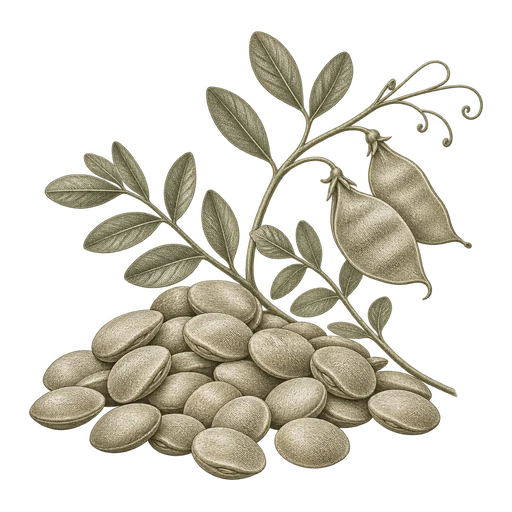
Green lentils are dry pulse seeds sold in forms such as whole, split, dehulled and flour. Compare the processing form, grade documentation, color, moisture and cleanliness against the needs of your food process or reviewed feed formulation.

Explore ingredient
Pulses

Green Peas

Green peas can mean tender garden peas for food or mature dry field peas for livestock feed. Identify the maturity, processing and intended use first; those choices determine the relevant quality checks, handling and bulk order details.

Explore ingredient
Other Seeds & Grains

Lentils

Lentils are pulse seeds sold as whole, split or dehulled product for food processing and, with lot-specific evaluation, some feed uses. Specify the form, type and quality measures that match your application.

Explore ingredient
Dried Vegetables

Lettuce

Lettuce is sourced as fresh heads or leaves, cut product, processing residue or dried waste. The type and form determine its food or potential by-product use, the quality details to compare and the handling needed for a bulk order.

Explore ingredient
Dried Fruits

Papaya

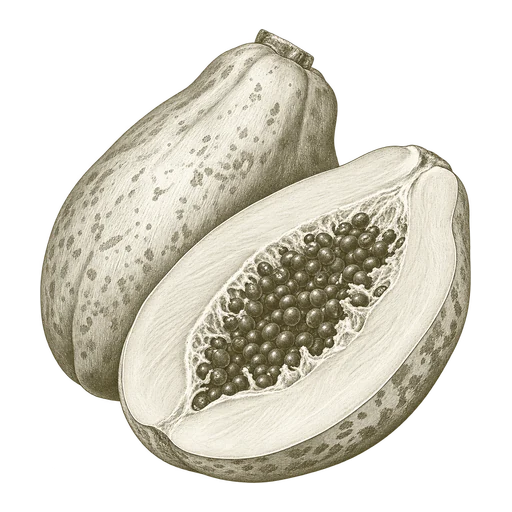
Papaya is sourced as fresh fruit, puree, frozen or canned fruit, dried products, and distinct processing by-products. Identify the exact material and compare form-appropriate quality measures, handling needs and intended use.

Explore ingredient
Dried Fruits

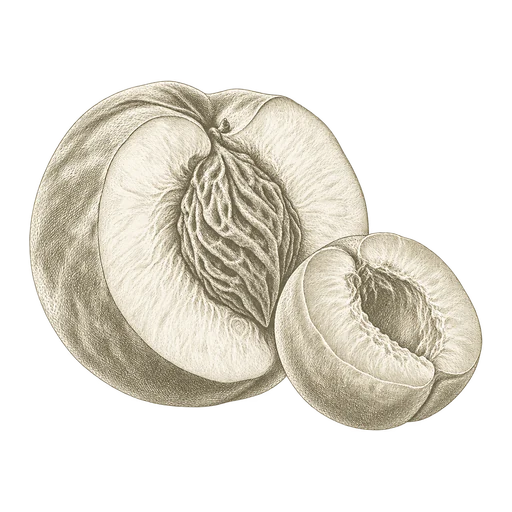
Peaches

Peaches are sourced as fresh fruit and in processed forms including canned pieces, purée, juice and dried product. Identify the exact form and intended use; pomace, peel, stone and seed are separate processing materials with different composition and handling considerations.

Explore ingredient
Tree Nuts

Pine Nuts

Pine nuts are edible seeds sold shell-on, as shelled kernels or as extracted oil. Species, form and freshness criteria help buyers match the ingredient to food applications such as salads, desserts, sauces and further processing.

Explore ingredient
Dried Fruits

Pineapples

Pineapple is sourced as whole fresh fruit, processed food ingredients such as juice and pulp, dried fruit, and distinct processing residues. Identify the exact form and preservation state because quality measures, uses and handling differ across these materials.

Explore ingredient
Pulses

Pinto Beans

Pinto beans are whole, dry edible beans used in food manufacturing and further processing. Compare grade, moisture, defects, seed characteristics and packaging against the needs of the process and receiving facility.

Explore ingredient
Peanuts

Roasted Peanut Hearts

Roasted peanut hearts are roasted peanut kernels, but the name does not define whether a lot is whole, split or broken. Specify kernel form, roast method, skin and seasoning status, along with relevant quality documentation and receiving needs.

Explore ingredient
Dried Vegetables

Spinach

Bulk spinach is sourced as fresh leaves or dried, ground leaf, and those forms have different uses and handling needs. Fresh spinach for processing is judged by condition and cleanliness; dried leaf requires product-specific composition and storage information.

Explore ingredient
Dried Vegetables

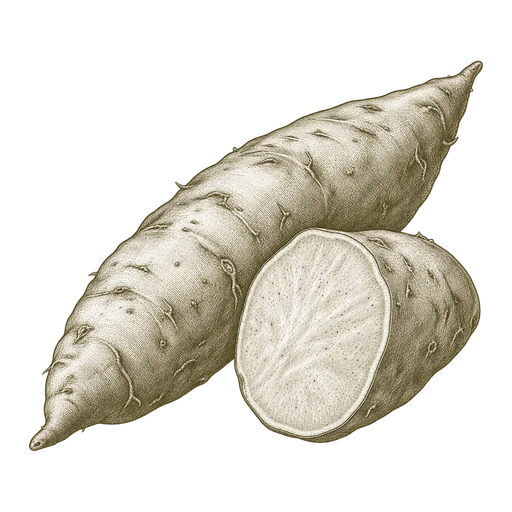
Sweet Potato

Sweet potato bulk materials include roots, vines and processing co-products. Identify the plant part, form and processing method first, then compare composition and handling needs for the intended food or feed use.

Explore ingredient

A diverse collection, not a single processing form

Food processing covers ingredients with very different characteristics: beans, peas and lentils; peanuts and pine nuts; fruits and vegetables; and anhydrous milk fat. The ingredient names identify what products are represented, but do not specify whether a lot is fresh, frozen, dried, split, blanched, roasted or otherwise processed. Match the offered form to your production process before comparing lots.

Processing form changes performance

For fruits and vegetables such as apples, carrots, cranberries and spinach, fresh, frozen and dried forms are not interchangeable. Moisture removal, freezing and freeze-drying each produce different handling and texture outcomes. Cut size, pretreatment and intended use also matter: a cooked application may have different texture requirements from one where pieces are served as-is.

Pulses require their own form and quality checks. Confirm the exact bean, pea or lentil class, and whether the product is whole or split. For peanuts and pine nuts, clarify details such as roast state and blanching rather than inferring them from the ingredient name. Anhydrous milk fat is a dairy fat, so its identity and specification should be evaluated separately from plant ingredients.

Compare specifications for the intended use

Ask for a specification that describes the actual product form and relevant quality measures. Depending on the ingredient, these may include grade or class, moisture or water activity, size or cut, defects, foreign material, color, texture and microbiological criteria. Check packaging, lot traceability, allergen controls and storage or transport requirements against your facility’s needs. A collection tag does not establish a lot’s grade, intended use or suitability for a particular process.

Common questions.

Does the Food processing tag tell me whether an ingredient is fresh, frozen or dried?+

No. The tag groups ingredients by relevance to food processing, not by preservation or processing form. Confirm the offered form in the product specification.

What should I check when buying beans, peas or lentils in bulk?+

Confirm the exact class and whether the product is whole or split. Review the applicable grade basis and lot details such as moisture, defects, foreign material and packaging.

Are frozen and dried fruits and vegetables interchangeable?+

Not necessarily. Their moisture, texture and handling differ. Choose a form suited to the product and process, and verify cut size and any relevant pretreatment.

What additional checks matter for nuts and anhydrous milk fat?+

For nuts, clarify form details such as roast state or blanching and review allergen and cross-contact documentation. For anhydrous milk fat, verify its identity, composition and handling requirements from the current specification.

Food processing · BUYER INSIGHTS

Go deeper before you source.

Focused guides to the specification, application, and delivery questions behind this ingredient.

FIELD GUIDE01Food processing
Buyer’s guide

Planning cold-chain receiving for bulk lettuce

Plan bulk lettuce receiving around its form: prepare cold storage, match packaging to unloading equipment, protect leaves from crushing and move fresh product promptly into storage.

Read this Insight
FIELD GUIDE02Food processing
Buyer’s guide

Evaluating lettuce processing residue for a ruminant ration

Lettuce processing residue can vary by source, preparation and form. Learn how to distinguish fresh-market lettuce, fresh-cut trimmings and dried waste, and which lot-specific analysis fields help a ruminant nutritionist assess the material.

Read this Insight
FIELD GUIDE03Food processing
Buyer’s guide

How to compare lettuce quality by type, form and condition

A practical comparison of lettuce types and fresh forms, with condition checks for leaves, cutting and handling history—and a clear distinction from dried residue.

Read this Insight
FIELD GUIDE04Food processing
Buyer’s guide

Planning storage and receiving for bulk lentils

Plan bulk lentil receiving around product form, shipment quantity, facility equipment and storage conditions. Moisture assessment and lot storage history help inform acceptance and handling decisions.

Read this Insight
FIELD GUIDE05Food processing
Buyer’s guide

Whole vs. split lentils for food processing

Choose whole, split or dehulled lentils according to the role, appearance and structure required in the finished food. This guide compares the forms for soups, stews, casseroles and salads, and explains which details to define in a bulk specification.

Read this Insight
FIELD GUIDE06Food processing
Buyer’s guide

How to compare lentil quality and grade basis

Compare bulk lentil offers by identifying the grade basis and separately defining the quality measures that matter to your process.

Read this Insight