Dried Vegetables
Green Beans
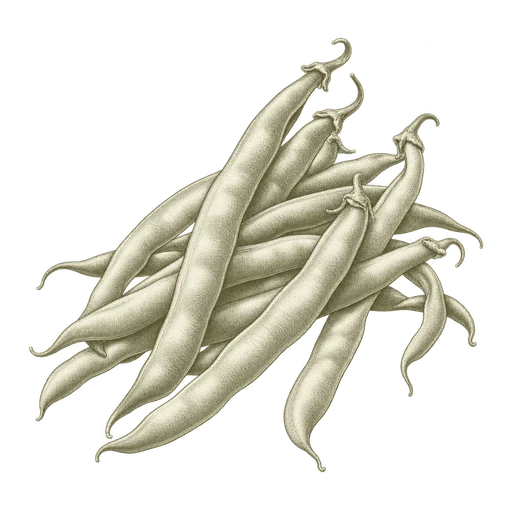
Green beans are tender immature pods supplied fresh, frozen or canned. Specify the preservation form, cut style and condition criteria to match the product to your food operation and receiving setup.
Explore ingredientFood processing and handling covers bulk ingredients that may arrive fresh, frozen, canned or dry. Green beans, green peas, kidney beans and lima beans illustrate why buyers should identify product form before comparing specifications: a frozen vegetable and a dry edible bean require different quality checks, receiving plans and storage conditions. Ingredient names alone do not establish processing history or lot quality.
Green beans are tender immature pods supplied fresh, frozen or canned. Specify the preservation form, cut style and condition criteria to match the product to your food operation and receiving setup.
Explore ingredientGreen peas can mean tender garden peas for food or mature dry field peas for livestock feed. Identify the maturity, processing and intended use first; those choices determine the relevant quality checks, handling and bulk order details.
Explore ingredientKidney beans are dry edible beans sold in distinct color classes and forms, from whole beans to processed meal or flour. Specify the class, form and intended use so quality measures, processing history and receiving needs can be evaluated together.
Explore ingredientLima beans are sourced fresh and immature or as dry beans in Large, Baby and other classes. Compare class, whole or split form, defect expectations and intended food use when planning a bulk order.
Explore ingredientThe collection covers ingredients that can enter food processing in different forms. Green beans may be fresh, frozen or canned. Green peas can refer to vegetable products or whole dry peas, while kidney beans and lima beans are also sold as dry edible beans or used in canned products. These forms are not interchangeable: they have different specifications, storage needs and processing requirements.
Name the exact form and intended use when evaluating a product. For frozen vegetables, clarify cut or style and pack format. For dry beans or peas, specify the class or type and agree on measures such as moisture, foreign material, splits, damage and color.
Frozen ingredients need receiving and storage plans that preserve frozen condition through handling. Confirm pack format, temperature expectations at receipt and the storage capacity available at the facility. Processing history, including whether vegetables were blanched or individually quick frozen, should be specified when it matters to the application rather than assumed from the ingredient name.
Dry lots call for different checks: packaging, moisture basis and test method, defect tolerances, and controls for moisture and pests during storage. Use the applicable product standard or a written agreement to define quality expectations; a standard for frozen green beans does not define a dry-bean lot.
Not necessarily. Confirm whether the product is fresh or shelled, frozen, canned or whole dry peas; each form has distinct handling and specification needs.
No. Dry edible beans and green beans are different product forms with separate quality considerations. Specify the exact identity and form.
State the ingredient and form, intended use, pack format, agreed quality limits and test methods. For dry products, clarify moisture basis and relevant defects; for frozen products, define receiving and storage conditions.
No. A grade or standard provides quality language, but it does not establish the status of a particular lot. Check the applicable specification and any lot documentation.
Focused guides to the specification, application, and delivery questions behind this ingredient.
A practical receiving and storage guide for bulk dry lima beans, covering the difference from fresh immature beans, packaging and unloading fit, inspection for pests and mold, and moisture-aware storage planning.
Read this InsightA practical guide to describing dry Baby Lima beans for canning by class, physical condition, desired pack appearance and process documentation—without treating a general use description as a process guarantee.
Read this InsightUnderstand the difference between dry lima bean class and grade, and specify whole, broken or split condition and defect criteria without assuming unstated tolerances.
Read this InsightPlan bulk kidney bean receiving by matching the offered form and packaging to your unloading setup, then protect the beans in a cool, clean, dry storage area off the floor.
Read this InsightFlour form does not prove kidney beans were heat-treated. Learn which process and product details formulators should verify before specifying treated kidney bean flour.
Read this InsightCompare dry kidney bean lots by class, condition, moisture, defects and cleanliness, with acceptance limits matched to the intended product and process.
Read this Insight
