Ingredient processing covers the steps that change an ingredient’s form, texture or performance before it reaches a finished product. This collection includes almonds, canary seed, chickpea flour, hazelnuts, kiwi and mango—ingredients that do not share one processing method or one set of buying specifications. The practical starting point is to identify the form needed for the application, then agree on the process and quality attributes that matter for that form.
Almonds may be supplied as kernels, in-shell nuts, or distinct processing by-products. For a bird-food request, define the form and intended use first, then evaluate lot documentation, handling needs, and receiving requirements.
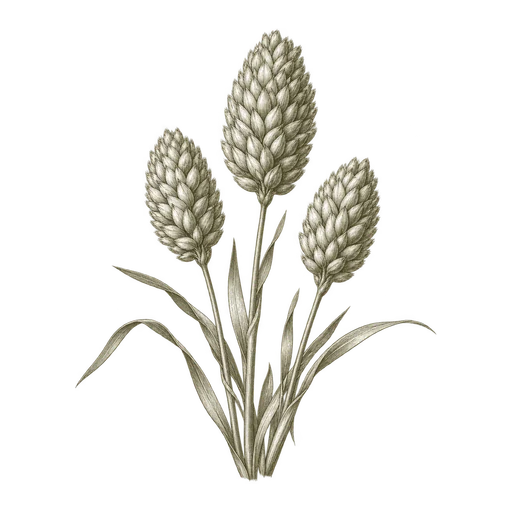
Canary seed is a grass grain sourced mainly for bird-feed blends, with specific glabrous varieties also processed into food ingredients such as groats and flour. Identify the hull type, intended market and processing form before comparing bulk lots.
Chickpea flour is milled from chickpeas for use in breads, baked goods, tortillas, pasta, batters and other foods. Processing history and particle size affect formulation behavior, so compare those details alongside analysis and receiving requirements when sourcing in bulk.
Bulk hazelnuts are sourced in-shell or as kernels, with natural, roasted, whole and piece forms suited to different food products. Compare style, size, quality requirements and storage conditions for the intended use.
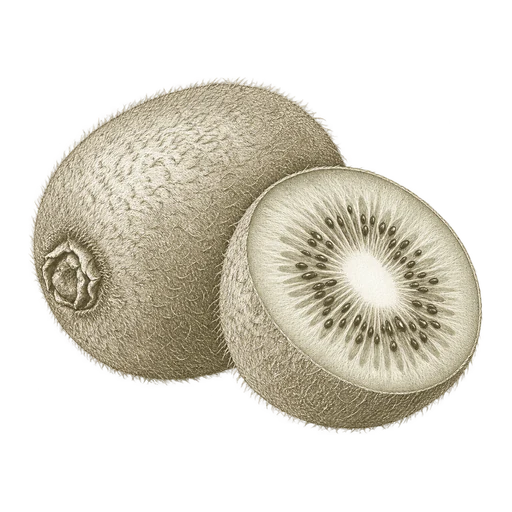
Bulk kiwi can mean whole fruit, puree, dried fruit, peel, pomace, or extracted fiber. Specify the form and processing history, then compare analysis on a consistent basis and match receiving and storage plans to the product.
Mango-derived feed ingredients range from peel and mixed residue to whole seed and kernel meal. Identify the material and its processing first: those differences affect composition, formulation, analysis and storage decisions.
Oat groats are dehulled oat kernels used in food processing and feed formulations. Specify whole or cut form and processing history, then compare relevant quality measures on a consistent basis.
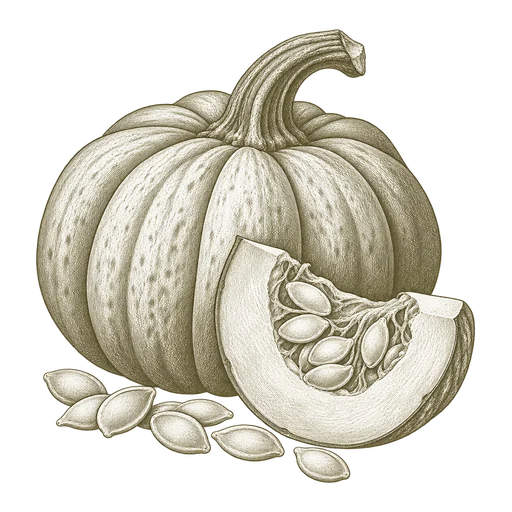
Pumpkin seeds are sourced as whole seeds, kernels, ground ingredients and oil-extraction co-products. Specify the form, processing and intended food or feed use; for meal and cake, residual fat and lot analysis help distinguish the material.
Ingredient processing spans several distinct product types in this collection: almonds and hazelnuts may be sold in-shell or as kernels, while chickpea flour is milled and kiwi and mango can be offered in different fresh or processed forms. Canary seed requires special identity care: food-use glabrous varieties are not interchangeable with conventional birdseed.
Processing is more than appearance. Dehulling, blanching, roasting, milling, drying and freezing affect form, texture, sensory qualities or performance in a finished food. Choose the form around the next step in your operation rather than relying on a broad ingredient name.
Specify the form and the properties that matter
For nuts, distinguish in-shell from shelled, natural from blanched or roasted, and whole from broken or milled. For chickpea flour, identify the required particle-size range and ask for relevant moisture, heat-treatment and performance details. These characteristics can affect handling and how flour behaves in a formula.
For kiwi and mango, state whether the need is fresh, frozen, dried or another processed form, along with the cut or format. For dried fruit, moisture alone does not fully describe stability; water activity and the measurement conditions are useful specification details. For any product, request documentation that matches the lot and the agreed specification.
Check identity and process before comparing lots
A useful comparison starts with a clear product description, process history and intended application. Confirm applicable grade or defect criteria for nuts, and consider lot-specific sensory and quality results where relevant. For canary seed intended for food, verify cultivar identity, food-grade processing and suitability for the intended jurisdiction and use. Do not assume a product's category name establishes food suitability.
Common questions.
Is food-use canary seed the same as ordinary birdseed?+
No. Food uses described for canary seed concern glabrous, or hairless-hull, varieties. Confirm cultivar identity and food-grade processing rather than inferring suitability from the name.
What should I specify when buying bulk nuts?+
State whether the product is in-shell or shelled, natural or treated, and whole or broken. Include applicable size, defect and quality requirements, and request lot-relevant documentation.
What details matter for chickpea flour?+
Specify particle size and intended use, and ask about relevant moisture, heat treatment and functional performance. The name chickpea flour alone does not define how it will behave in a formula.
Is moisture enough to describe dried kiwi or mango?+
No. For dried fruit, water activity also helps describe stability. Specify the fruit form and cut, and request measurements with their test conditions.
Ingredient processing · BUYER INSIGHTS
Go deeper before you source.
Focused guides to the specification, application, and delivery questions behind this ingredient.