Independent sourcing. Better connections.Commercial buyers · Bulk ingredients
topic

Food processing ingredients

Food processing ingredients span distinct forms and uses: carrots may be cut, frozen or canned; cucumbers may be pickling stock or finished pickles; navy beans may be dry, canned or powdered; and pineapple is sold as fruit or juice products. Buyers should define the exact form and intended process before comparing specifications or bulk offers.

4 ingredients6 published Insights
EXPLORE THE COLLECTION

Food processing ingredients ingredients

Dried Vegetables

Carrots

Bulk carrots can mean fresh roots, frozen or dehydrated product, ensiled feed material, or processing by-products such as juice pomace. Identify the exact form and intended use, then compare moisture and analysis on a consistent basis.

Explore ingredient
Dried Vegetables

Cucumber

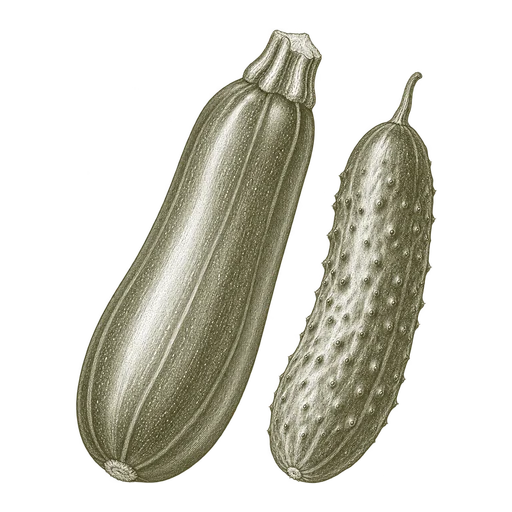
Cucumber is sourced as fresh produce for slicing and pickling uses. Define the intended use, size and quality expectations, and temperature-sensitive handling needs when planning a bulk order.

Explore ingredient
Pulses

Navy Beans

Navy beans are small, white dry beans used in retail packs and foods such as baked beans, soups and stews. Specify the navy market class, required form and end-use quality factors when comparing bulk lots.

Explore ingredient
Dried Fruits

Pineapples

Pineapple is sourced as whole fresh fruit, processed food ingredients such as juice and pulp, dried fruit, and distinct processing residues. Identify the exact form and preservation state because quality measures, uses and handling differ across these materials.

Explore ingredient

Different ingredients, different processing routes

This collection brings together vegetables, a dry edible bean and fruit—not interchangeable ingredients. Carrots are used in cut, frozen and canned forms. Cucumbers can be purchased as fresh pickling stock or as finished pickles, while navy beans are sold dry and also processed into canned beans or ingredient forms such as powders. Pineapple products include fruit pieces and juice, including concentrated juice.

The intended product determines which form makes sense. Pickling cucumbers are not the same specification as fresh-market cucumbers; dry navy beans are not equivalent to canned beans or bean powder. Likewise, whole or cut carrots and pineapple pieces, juice or concentrate each call for a distinct product description.

Match specifications to the process

Define the ingredient’s processing state, cut or style, and intended use before comparing bulk offers. For cucumbers, distinguish raw pickling stock from a finished pickle; fermentation or direct vinegar addition and the finished product’s pH matter for pickles. For pineapple, clarify fruit versus juice and, for juice, whether it is single-strength or concentrated.

Quality criteria also vary by ingredient and form. Firmness, maturity, form and size are pertinent to pickling cucumbers; canned-carrot specifications address attributes such as color, tenderness, uniformity and defects. For navy beans, identify the applicable grade and request lot-specific results rather than treating the class name as a performance guarantee.

Compare like with like

Ask for the product specification, lot documentation, packaging details and storage requirements that match the form you plan to receive. Compare test results only when units, test methods, reporting basis and product form align. Canned, frozen, fresh and dry products have different handling needs, so confirm requirements for the exact item rather than applying one rule across the collection.

Common questions.

Are carrots, cucumbers, navy beans and pineapples interchangeable processing ingredients?+

No. They differ by ingredient type and processing form. For example, cucumbers may be pickling stock or finished pickles, while navy beans may be dry, canned or processed into powder.

What should I clarify when sourcing cucumbers for pickling?+

Specify that the product is intended as pickling stock, not simply fresh-market cucumbers, and confirm relevant maturity, firmness, form and size criteria. Finished pickles are a separate product with their own preservation method and pH considerations.

How should I distinguish bulk pineapple products?+

State whether you need fruit pieces or juice. For juice, specify whether it is single-strength or concentrated, and clarify the product composition and pack details.

Can I compare quality results across different product forms?+

Only when the product form, test method, units and reporting basis match. A result for dry beans, canned beans or bean powder does not automatically describe the others.

Food processing ingredients · BUYER INSIGHTS

Go deeper before you source.

Focused guides to the specification, application, and delivery questions behind this ingredient.

FIELD GUIDE01Food processing ingredients
Buyer’s guide

Planning bulk navy bean receiving and storage

Plan bulk navy bean receiving around order details, packaging and unloading compatibility, incoming-lot inspection, and the storage controls available at your facility.

Read this Insight
FIELD GUIDE02Food processing ingredients
Buyer’s guide

Navy beans for canning: matching a dry-bean input to the process

A practical guide to defining whole dry navy bean identity, incoming condition and process-specific targets for canned products.

Read this Insight
FIELD GUIDE03Food processing ingredients
Buyer’s guide

Navy bean quality factors: what to compare in a dry-bean lot

Compare navy bean lots by market-class identity and defined inspection criteria—not color or grade alone. Moisture, splits, damage, contrasting classes, foreign material and dockage each need clear methods and contract tolerances.

Read this Insight
FIELD GUIDE04Food processing ingredients
Buyer’s guide

Fresh cucumber cold storage and delivery planning

Plan fresh cucumber transit and storage around the 10–12.5°C (50–55°F) temperature range, high humidity, chilling risk below 10°C (50°F), cultivar sensitivity and ethylene exposure.

Read this Insight
FIELD GUIDE05Food processing ingredients
Buyer’s guide

Choosing pickling cucumber size for a processing line

Choose pickling cucumber size around the finished product and processing line. A useful specification defines the size measurement, acceptable uniformity, firmness and condition—not just the product name.

Read this Insight
FIELD GUIDE06Food processing ingredients
Buyer’s guide

Cucumber grade and size specifications for bulk buyers

Define cucumber size, appearance, firmness and defects around the intended slicing or pickling use. A use category is not a grade, and the applicable standard and tolerances should be specified before purchase.

Read this Insight