Distinct forms for different food processes
Whole, split and dehulled lentils are different physical products. Identifying the required form helps align the incoming ingredient with a recipe or processing step.
Ingredient intelligence · quote-ready sourcing
Lentils are pulse seeds sold as whole, split or dehulled product for food processing and, with lot-specific evaluation, some feed uses. Specify the form, type and quality measures that match your application.
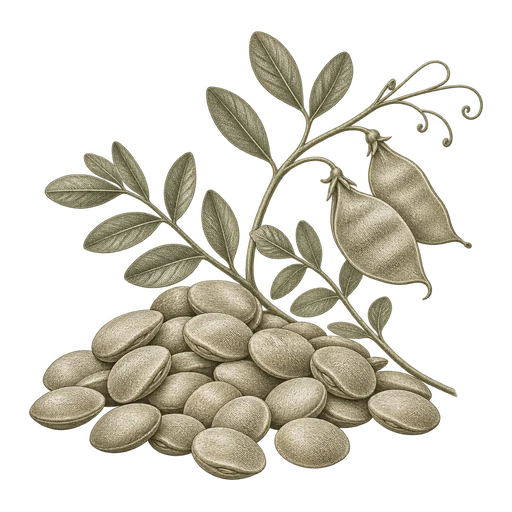
Lentils are the threshed seeds of Lens culinaris. They are sold in different types and colors, including green, brown, tan, red-toned and dark lentils. The broad product name does not define whether the seed is whole, split or dehulled.
Form and condition matter to bulk buyers. Whole seed preserves its shape, while split or dehulled product has a different physical structure. Cracking can occur during threshing or drying, so intactness is a relevant consideration when appearance matters.
Whole, split and dehulled lentils are different physical products. Identifying the required form helps align the incoming ingredient with a recipe or processing step.
Color, size and intactness affect the appearance of lentils in foods where the seed remains visible. These characteristics are more useful when defined alongside the intended application.
Moisture, dockage and foreign material describe practical lot characteristics. Moisture is relevant to storage management, while dockage and foreign material help define what accompanies the seed.
| Characteristic | Why it matters |
|---|---|
| Form: whole, split or dehulled | Identifies the physical product needed for the intended food process. |
| Moisture | Affects storage management and should be assessed on a stated lot basis. |
| Dockage and foreign material | Describe material removed or present alongside lentils; state the applicable grade basis. |
| Color, type and seed size | Help describe appearance and compare lots intended for visible-seed food uses. |
| Defects and intactness | Cracking and seed condition can affect the appearance and handling of whole lentils. |
Set any limits and the grade basis in the purchase specification. Inspection definitions are not, by themselves, a complete commercial specification.
Moisture, dockage, foreign material, defects, color and seed size are useful comparison points for lentil lots. Moisture is relevant to storage management, while dockage and foreign material describe material removed or present alongside the lentils. Agree on the grade basis and permitted limits rather than assuming a variety name defines those details.
Color should be evaluated against the natural appearance of the predominant type. Excessive heat and long storage can discolor lentils, so color is more informative when considered alongside storage history and the intended use. A current lot analysis and an explicitly stated grade basis help keep comparisons meaningful; an inspection-grade definition alone is not a complete commercial specification.
Lentils are used in soups, stews, casseroles and salads. Type, seed size, intactness and whole-versus-split form can affect the appearance and cooking behavior of the finished dish. Match the form to the recipe or processing step: visible whole seeds call for a different physical product than a recipe designed around split or dehulled lentils.
When cooking behavior is critical, evaluate the offered type and condition against the buyer’s own preparation process. Variety and seed condition can influence results, so a general description such as “green lentils” does not by itself establish a uniform cooking outcome.
Feed is a separate use from food processing. Lentil seed that does not meet food-grade requirements may be used in livestock feed, but that does not establish suitability for every species or ration. Feed buyers should evaluate the actual form and analysis with a qualified nutritionist and account for applicable requirements.
Lentils can crack during threshing or drying, and excessive moisture can contribute to heating and mold in storage. There is no single shelf-life or storage specification that applies to every lot. Consider the actual moisture, storage history, handling conditions and end use when setting receiving and storage plans.
Lentils are used in soups and stews. Specify whole, split or dehulled form and the type required, since physical form, seed condition and variety can affect appearance and cooking behavior.
Lentils are also used in casseroles and salads. Where the finished dish depends on visible lentil pieces, type, color and intactness are useful characteristics to define.
For food manufacturing, match the incoming form to the process and finished product. A description that names only lentils leaves whole-versus-split and dehulled distinctions unresolved.
Lentil seed that does not meet food-grade requirements may be used in livestock feed, but suitability is not automatic. Evaluate the actual form and analysis for the intended species and ration with a qualified nutritionist.
State the lentil type, whole or processed form, quantity and unit, destination and requested timing. These details identify the product and delivery requirement to be priced together.
Describe the packaging or bulk receiving method your facility can handle, including unloading constraints. The receiving setup matters because the order must arrive in a form your operation can accept.
Include the storage conditions and handling plan at the destination. Moisture management matters because excessive moisture can contribute to heating and mold; assess the offered lot’s moisture and storage history for the intended use.
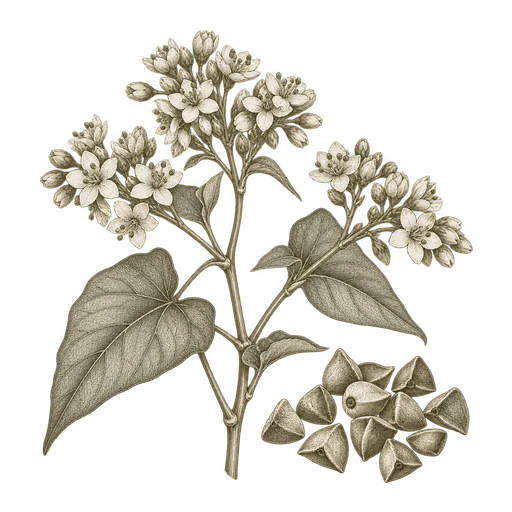
Buckwheat is sourced as whole seed, dehulled groats, flour and milling by-products for food and feed uses. Choose the form and processing status for the intended use, and compare lot quality on a clearly stated basis.
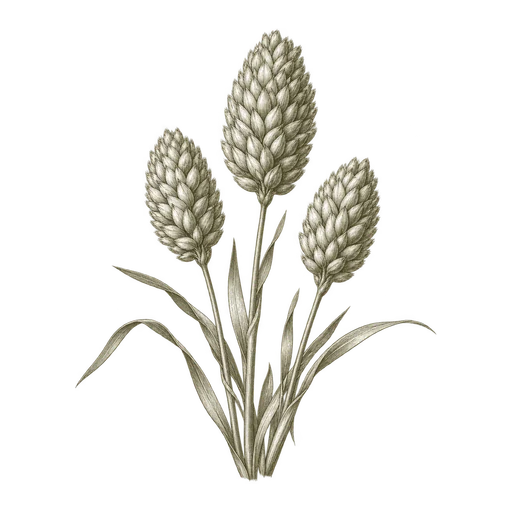
Explore ingredientCanary seed is a grass grain sourced mainly for bird-feed blends, with specific glabrous varieties also processed into food ingredients such as groats and flour. Identify the hull type, intended market and processing form before comparing bulk lots.
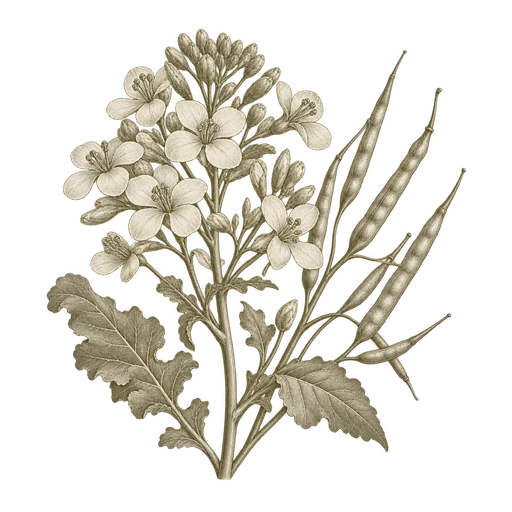
Explore ingredientCanola refers to seed and products including edible oil and feed meal. For bulk sourcing, identify the product and, for meal, compare processing, physical form and lot analysis to match the feed formulation and receiving setup.
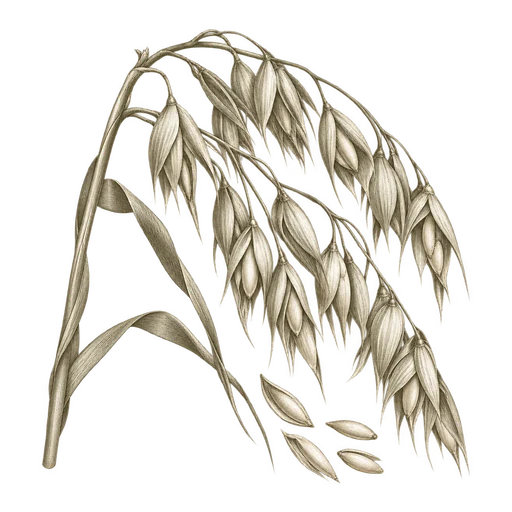
Explore ingredientColored oat groats are dehulled oat kernels for food processing and other uses. Clarify whether color refers to the hull or groat, and specify kernel form and processing state so the offer matches your use.
Explore ingredientThe main distinctions are whole seed, split lentils and dehulled lentils. Specify the required form and lentil type because these terms describe different physical products, not a single interchangeable lentil specification.
Moisture, dockage, foreign material, defects, color, seed size and the proportion of whole or skinned seed can distinguish lots. Define the grade basis and the limits relevant to your use; a grade definition is not a complete purchase specification.
The lentil type and form, quantity, packaging or receiving method, destination and timing all shape a delivered quote. Prices and commercial terms depend on the specific offer.
Send your volume, destination, and key specifications. A broker can follow up with availability and commercial terms.