Independent sourcing. Better connections.Commercial buyers · Bulk ingredients
tag

Allergen management

This collection groups Raw Peanut Hearts, Roasted Peanut Hearts, and Soy Protein Isolate for buyers reviewing allergen management in human-food operations. The two peanut forms remain peanut ingredients; soy protein isolate is soy-derived. The collection helps frame what to verify about ingredient identity, lot documentation, and handling without implying that any member is suitable for allergen-sensitive use or that membership guarantees availability.

3 ingredients6 published Insights
EXPLORE THE COLLECTION

Allergen management ingredients

Peanuts

Raw Peanut Hearts

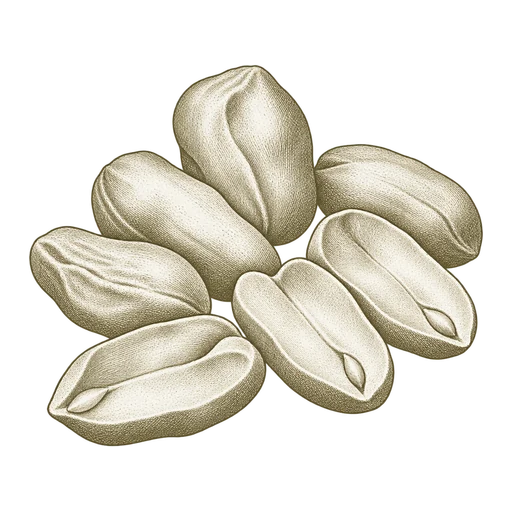
Raw peanut hearts is an ambiguous trade description: it can refer to the peanut embryo or be used without clearly distinguishing it from intact kernels. Define the exact form, processing condition and lot quality before comparing bulk offers or matching the product to a food process.

Explore ingredient

Peanuts

Roasted Peanut Hearts

Roasted peanut hearts are roasted peanut kernels, but the name does not define whether a lot is whole, split or broken. Specify kernel form, roast method, skin and seasoning status, along with relevant quality documentation and receiving needs.

Explore ingredient

Different ingredients, different allergen identities

Raw Peanut Hearts and Roasted Peanut Hearts are both peanut ingredients. Roasting changes the processing form, not the ingredient’s peanut identity, so buyers should distinguish processing form without treating one as an allergen-free alternative to the other.

Soy Protein Isolate is made from soy and is a dry protein ingredient. It is soy-derived rather than peanut-derived, but that identity alone does not establish whether a particular lot fits a product’s allergen controls.

What to check when buying in bulk

Start with the exact ingredient and form, then confirm whether peanut or soy is intentionally present and how the lot is identified in its documentation. For peanut hearts, make sure the specification matches the intended raw or roasted form.

For human-food use, ask about production-site handling, shared equipment, cleaning and changeover practices, packaging, and transport. These details help assess cross-contact risk; an ingredient name or general product description cannot establish lot-specific handling conditions.

Review current documentation for the specific lot and your own facility’s requirements. Advisory phrases such as “may contain” do not provide a standardized measure of allergen risk, so do not use the wording alone to determine suitability.

Keep the intended use in view

This collection focuses on allergen management in human-food operations. Feed and pet-food decisions involve separate requirements and should not be inferred from human-food labeling considerations. In any setting, match the ingredient’s identity and handling information to the controls required by the finished product and receiving operation.

Common questions.

Are raw and roasted peanut hearts different allergens?+

Both are peanut ingredients. Roasting changes processing form; it does not make the ingredient peanut-free.

Is soy protein isolate peanut-derived?+

No. Soy protein isolate is soy-derived. Its identity alone does not establish the cross-contact history or suitability of a specific lot.

Does “may contain” show how much allergen could be present?+

No. Advisory wording is not a standardized measure of allergen risk. Ask for process- and lot-specific information rather than relying on the phrase alone.

Does this guidance cover animal feed?+

No. This overview addresses human-food allergen management; feed and pet-food uses need separate review.

Allergen management · BUYER INSIGHTS

Go deeper before you source.

Focused guides to the specification, application, and delivery questions behind this ingredient.

FIELD GUIDE01Allergen management
Buyer’s guide

Planning bulk soy protein isolate receiving and storage

Prepare for bulk soy protein isolate by aligning the offered product and order details with your receiving equipment, moisture-protected storage, lot dating practices and soy allergen controls.

Read this Insight
FIELD GUIDE02Allergen management
Buyer’s guide

When does soy protein isolate support emulsification in food formulations?

Soy protein isolate can support oil-in-water emulsions when it hydrates and disperses under the formulation’s conditions. Learn why process, formulation and target-food testing matter before comparing grades for bulk use.

Read this Insight
FIELD GUIDE03Allergen management
Buyer’s guide

Soy protein isolate specifications: comparing protein basis and functional tests

Compare soy protein isolate protein results on a common reporting basis, then choose functional tests that reflect how the ingredient will perform in your food process.

Read this Insight
FIELD GUIDE04Allergen management
Buyer’s guide

Roasted Peanut Hearts Storage and Receiving: Moisture, Packaging and Lot Records

Prepare to receive roasted peanut hearts by matching shipment details to your facility, inspecting package condition and lot records, and protecting kernels from moisture and pests. Obtain storage guidance for the specific lot.

Read this Insight
FIELD GUIDE05Allergen management
Buyer’s guide

Using Roasted Peanut Hearts for Peanut Paste: What Processors Should Define

A practical guide to defining kernel form, roast, skin status and added ingredients before sourcing roasted peanut hearts for peanut paste processing.

Read this Insight
FIELD GUIDE06Allergen management
Buyer’s guide

Roasted Peanut Hearts Specifications: Defining Kernel Form and Quality

“Roasted peanut hearts” does not define a complete grade. Specify kernel shape, size and appearance tolerances, roast method, skin and seasoning separately, then compare the actual lot and its documentation with the requirements of your process.

Read this Insight