Grains
Alfalfa
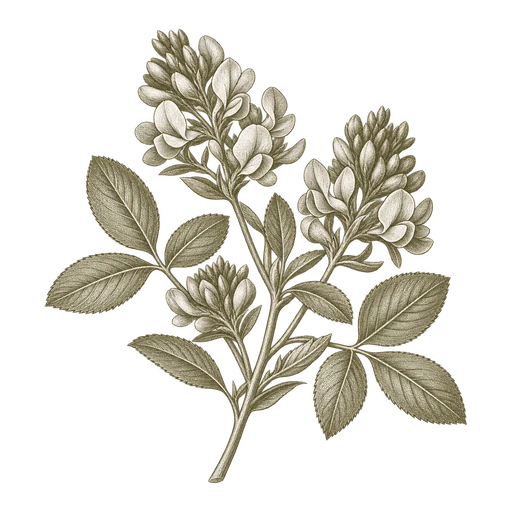
Alfalfa is a forage legume sourced as hay, silage, meal or pellets for livestock feed. Match the form to receiving and ration needs, then compare a lot-specific analysis on a consistent basis.
Explore ingredientCompare oat milling specifications by connecting physical quality, condition and applicable safety criteria to the mill’s process and finished product. Clear methods and acceptance limits make bulk offers easier to evaluate.
The right oats for milling are the ones whose physical condition and composition suit the mill’s process and the finished product—not simply those with the most favorable headline grade. Before comparing offers, define whether the mill will make groats, flakes, flour or another oat ingredient. Dehulling, cutting, steaming, rolling and grinding place different demands on the incoming grain, so acceptance limits should follow the intended process.
A supplier specification is useful only when its terms are clear. Ask what product is being offered, which characteristics are measured, what test methods and sampling basis apply, and whether stated values are targets, averages or maximum and minimum limits. The primary Oats page is a useful starting point for understanding the ingredient and its sourcing forms; the mill’s process should guide the detailed specification.
Kernel size and uniformity can influence how consistently oats move through cleaning, dehulling and downstream equipment. A sample with a broad size distribution may behave differently from a more uniform lot, even when both meet a broad grain description. Buyers should understand whether a size measure describes whole kernels, groats or another fraction, and how the mill will use that information.
Test weight or bulk density can help describe a lot’s physical characteristics, but it is not a substitute for direct measures of milling performance. Where relevant, ask how the supplier evaluates groat recovery, hull content or dehulling behavior, and whether the figures come from a defined test procedure. Do not assume that one reported measure predicts the result at every mill.
Screenings, foreign material, damaged kernels and other defects matter because they can affect cleaning losses, equipment operation and the consistency of the material entering the mill. The specification should define the terms and the method used to determine them. A single phrase such as “clean oats” leaves too much room for different interpretations.
Moisture is both a grain-quality measure and a handling consideration. It can affect storage stability and how grain behaves during processing, but an acceptable limit depends on the contract, measurement method, storage plan and mill requirements. Compare results only when the basis and test method are understood; do not treat a number without that context as a universal milling threshold.
The condition of the kernels also deserves attention. Heat damage, discoloration, mold or musty odor can signal quality problems and may affect suitability for food processing. Ask how defects are defined and assessed, and whether inspection covers representative samples from the lot. Sampling matters: a result is only as informative as the sample and procedure behind it.
A milling specification has two related but distinct jobs: describe how the grain is expected to perform and set criteria for its intended use. Food-safety requirements may address contaminants, pesticide residues, mycotoxins or other hazards relevant to the product and destination. Which tests and limits apply depends on the intended market, applicable rules and the customer’s requirements; no single set of thresholds should be assumed to fit every transaction.
For each safety criterion, establish the analyte, test method, reporting units, sampling plan, testing frequency and acceptance limit. Also clarify whether the result applies to the specific lot being purchased. A general assurance is not equivalent to a lot-specific result, and a document is difficult to compare if its method or reporting basis is missing.
Build the purchase specification around characteristics that can be measured and tied to a decision. Separate core requirements—such as identity, condition, moisture, cleanliness and applicable safety criteria—from mill-specific targets such as kernel uniformity or performance in a defined dehulling test. For each item, state the measurement basis, method, acceptance limit and how nonconforming material will be handled.
Before placing a bulk order, compare the proposed specification with the mill’s equipment, finished-product requirements and receiving process. Resolve ambiguous terms, agree on how samples and test results will be evaluated, and identify any destination-market criteria that must be met. Exact grades, methods and limits need to be established for the particular offer and market. With those details in hand, buyers can use the Oats page to move from product understanding to evaluating a relevant sourcing option.
Start with kernel condition, size and uniformity, cleanliness, moisture and the mill’s relevant performance measures, such as groat recovery or dehulling behavior. The priority depends on the finished product and equipment. Define each measurement and its test method before comparing supplier values.
No single limit should be assumed across all mills, processes and markets. The appropriate acceptance criteria depend on the purchase specification, measurement method, storage plan and intended use. Set limits with the mill and verify that quoted results use the agreed basis.
The relevant tests depend on the intended product, destination and applicable requirements. Identify the hazards and analytes that matter, then specify the test method, sampling basis, reporting units and acceptance criteria. Do not treat a generic statement of compliance as a substitute for requirements tied to the transaction.
Focused guides to the specification, application, and delivery questions behind this ingredient.
Plan bulk oats delivery around the product form, compatible receiving equipment, protection from moisture and contamination, and the records your destination requires.
Read this InsightOat flour, rolled oats and cut oats behave differently in bakery formulas. Compare their particle structure and processing in product-specific trials before defining a bulk sourcing specification.
Read this InsightAlfalfa is a forage legume sourced as hay, silage, meal or pellets for livestock feed. Match the form to receiving and ration needs, then compare a lot-specific analysis on a consistent basis.
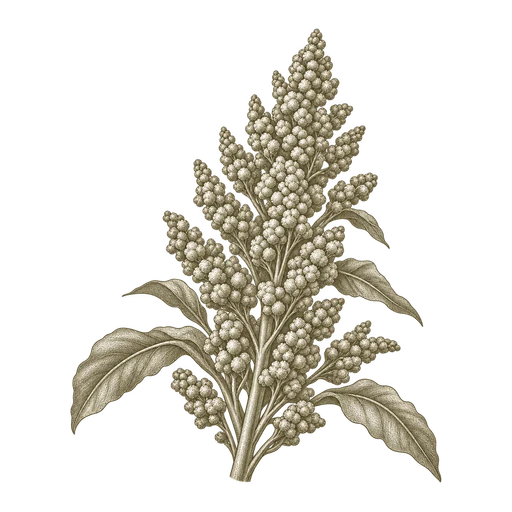
Explore ingredientAmaranth can be sourced as grain, leaf meal or whole-plant forage, and those forms are not interchangeable in feed formulation. Specify the plant material, species and processing method, then compare lot analysis suited to the intended animal and use.
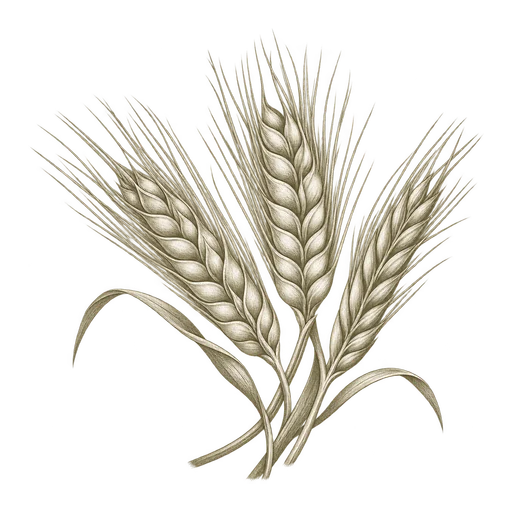
Explore ingredientBarley is a cereal grain used in cattle feed, malting, food and industrial processing. Whole and processed forms serve different needs; identify the intended use, processing state and receiving requirements when sourcing a bulk order.
Explore ingredientBrewers rice is a broken-rice milling fraction used in brewing, fermented products and animal feed. Compare broken, granulated or ground forms and review lot-specific physical and analytical details before sourcing in bulk.
Explore ingredient