Grains
Alfalfa
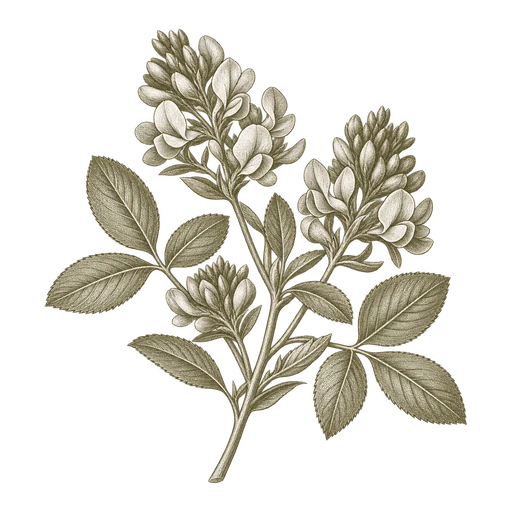
Alfalfa is a forage legume sourced as hay, silage, meal or pellets for livestock feed. Match the form to receiving and ration needs, then compare a lot-specific analysis on a consistent basis.
Explore ingredientOat flour, rolled oats and cut oats behave differently in bakery formulas. Compare their particle structure and processing in product-specific trials before defining a bulk sourcing specification.
The right oat ingredient depends on what you want it to do in the bakery. Oat flour blends into a dough or batter as a milled ingredient; rolled oats contribute visible pieces and texture; cut oats provide coarser particles. These forms are not interchangeable by default: they differ in size and structure, which affects how they hydrate and how noticeable they remain in a finished product.
Start with the product outcome. If oats should be distributed throughout a crumb, flour may be the more direct form to trial. If the goal is a recognizable oat appearance or bite, rolled or cut oats may be a better starting point. A formula can also use more than one form, such as flour in the dough and flakes on the surface, but each has a separate functional role.
Oat flour is made by milling oats into smaller particles. Its finer form makes it easier to incorporate evenly into bakery doughs and batters than intact flakes or coarse pieces. The actual fineness varies by product, so the term “oat flour” alone does not fully describe its particle-size profile.
Oats do not form the same gluten network as wheat flour. Replacing some wheat flour with oat flour can therefore change dough structure, handling and the baked texture, rather than simply adding oat flavor to an otherwise unchanged formula. The effect depends on the full recipe and process. Avoid assuming a universal substitution ratio; trial the specific flour in the intended product and production conditions.
Also establish whether the flour is whole-grain or made from a different milled fraction. That distinction can affect the ingredient’s composition and how it compares with the flour used in earlier trials. Ask for the product description and applicable specification rather than inferring the milling result from the name alone.
Rolled oats are flattened oat pieces, while cut oats are coarser pieces made by cutting the grain. Both retain more visible particle structure than flour, but they are not identical in shape or size. In a cookie, bar, topping or similar product, those physical differences can influence the appearance and bite.
Particle size and processing affect how quickly an oat ingredient takes up moisture. Fine flour disperses through a mixture; larger pieces hydrate within and around their individual particles. This can influence dough consistency, the distribution of visible oats and the texture after baking. The result also depends on the recipe’s liquid, mixing, resting and bake conditions, so it should be assessed in a formula trial rather than predicted from the ingredient name alone.
Ask whether flakes are whole or broken and how cut pieces are sized or described. These details help make a repeat order more comparable to the sample or production lot used in development.
Test the oat form in the actual product and process, not only in a bench-top mixture. Record the ingredient description and particle-size information, then assess dough or batter handling, moisture uptake during mixing or resting, and the baked product’s crumb, bite and visible oat distribution. For products made at scale, include the equipment and process conditions that could affect mixing and hydration.
If comparing oat flour with rolled or cut oats, keep the purpose of each test clear. A flour trial asks how a milled ingredient performs within the dough or batter. A flake or cut-oat trial asks how larger particles affect texture, appearance and moisture behavior. Changing forms and formula levels at the same time makes it harder to identify what caused a difference.
Use trial results to define the specification that matters for purchasing: for example, the form, relevant particle description, whole-grain status where needed, and any quality or ingredient requirements tied to the recipe. A clear specification helps distinguish a suitable bakery ingredient from another oat product that shares a broad name.
Before requesting a bulk quote, specify whether you need oat flour, rolled oats or cut oats, and describe the intended bakery use. Include the quantity and unit, delivery destination, target timing, packaging preference and receiving method. If your formulation depends on a particular particle profile or milling description, state it explicitly.
Request the product description and available lot information needed to compare the offer with your successful trial. Confirm commercial details such as packaging, order minimums, timing and freight directly for the specific shipment; these depend on the supplier and order. When the product form and recipe requirement are clear, explore Oats for sourcing options and discuss the ingredient that matches your bakery trial.
Not as a universal one-for-one substitution. Oat flour does not form the same gluten network as wheat flour, so replacing wheat flour can change dough structure and baked texture. Trial the specific flour in the intended recipe and process before setting a production formula.
Rolled oats are useful when the product calls for visible oat pieces or a distinct texture, such as in a cookie, bar or topping. Oat flour is milled finer and blends more readily into doughs and batters. The best choice depends on the role oats need to play in the finished product.
Specify the form—oat flour, rolled oats or cut oats—along with the intended use and any particle-size or milling details established in trials. Include quantity, unit, destination, timing, packaging and receiving method in the quote request, and compare the product description with the ingredient used in development.
Focused guides to the specification, application, and delivery questions behind this ingredient.
Plan bulk oats delivery around the product form, compatible receiving equipment, protection from moisture and contamination, and the records your destination requires.
Read this InsightCompare oat milling specifications by connecting physical quality, condition and applicable safety criteria to the mill’s process and finished product. Clear methods and acceptance limits make bulk offers easier to evaluate.
Read this InsightAlfalfa is a forage legume sourced as hay, silage, meal or pellets for livestock feed. Match the form to receiving and ration needs, then compare a lot-specific analysis on a consistent basis.
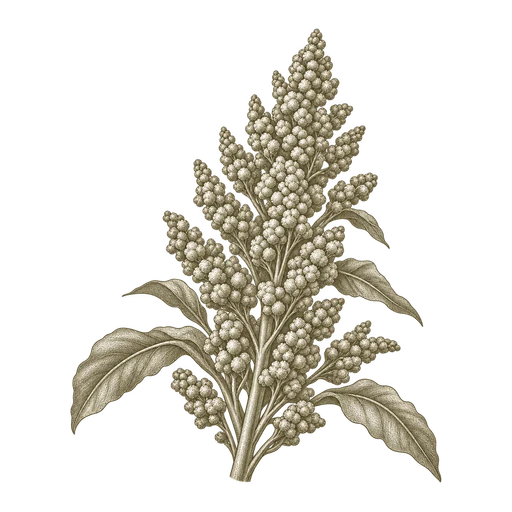
Explore ingredientAmaranth can be sourced as grain, leaf meal or whole-plant forage, and those forms are not interchangeable in feed formulation. Specify the plant material, species and processing method, then compare lot analysis suited to the intended animal and use.
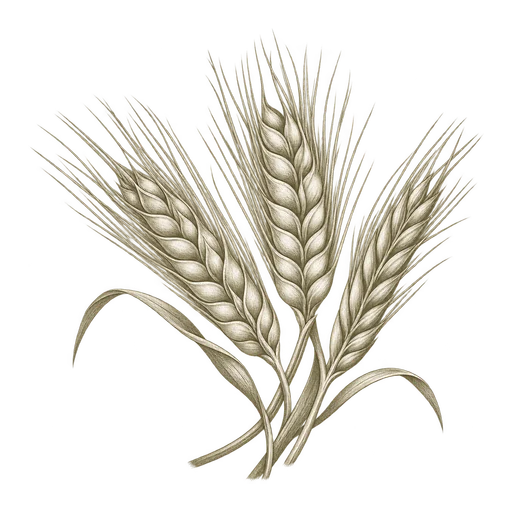
Explore ingredientBarley is a cereal grain used in cattle feed, malting, food and industrial processing. Whole and processed forms serve different needs; identify the intended use, processing state and receiving requirements when sourcing a bulk order.
Explore ingredientBrewers rice is a broken-rice milling fraction used in brewing, fermented products and animal feed. Compare broken, granulated or ground forms and review lot-specific physical and analytical details before sourcing in bulk.
Explore ingredient