Bakery formulation
Bakery formulation brings together ingredients that can influence dough structure, hydration, development and baked-product characteristics in different ways. This collection includes oats, pea fiber, skim milk powder, whey powder and whey protein concentrate 34 (WPC 34). Their shared use in bakery formulations does not make them interchangeable: choose by ingredient form, compositional requirements and the function needed in your process.
Bakery formulation ingredients

Pea Fiber
Pea fiber is sourced from different pea fractions and processing streams, so its fiber profile and water-binding behavior can vary. Identify the material and compare its analysis and functional properties against the intended food application.
Explore ingredient
Skim Milk Powder
A milk-based powder for commercial food manufacturing.
Explore ingredientWhey Powder
Whey powder is a dried dairy ingredient used in food manufacturing and animal feed. Sweet and acid whey, and ordinary powder versus further-processed whey products, differ in composition and function—so match the product identity and lot analysis to the application.
Explore ingredientWhey Protein Concentrate 34
Whey Protein Concentrate 34 is a spray-dried dairy powder used in food formulations for its whey protein contribution and functional effects on texture, water binding and viscosity. Compare protein basis, composition and process needs to distinguish it from higher-protein concentrates and isolate.
Explore ingredientIngredients with different roles in a bakery formula
This collection brings together oats, pea fiber, skim milk powder, whey powder and whey protein concentrate 34 (WPC 34). They are not direct substitutes: oats are grain ingredients, pea fiber adds fiber, and the dairy powders differ in composition and functionality.
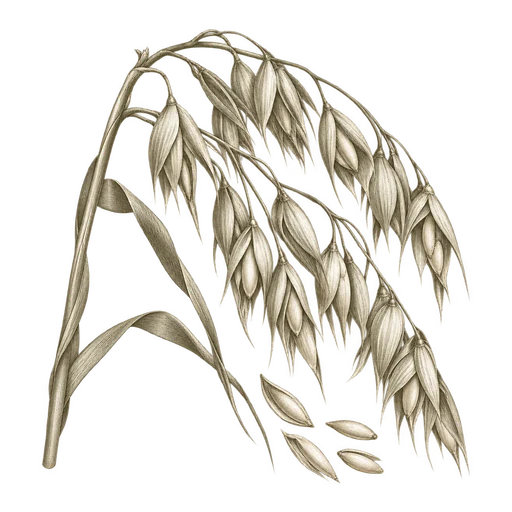
Oats can refer to different ingredient forms, not only oat flour. Oat ingredients do not provide wheat flour’s gluten-forming structure, so their effects depend on the form and the bread formula. Pea fiber can affect dough water absorption and handling; its behavior depends on the fiber type and inclusion level.
Compare dairy powders by identity, not protein alone
Skim milk powder, whey powder and WPC 34 have distinct compositions. Skim milk powder is made from milk with some fat and water removed. Whey powder retains the constituents of whey in their original relative proportions, while WPC has some non-protein constituents removed. Similar protein percentages do not make these powders interchangeable.
In bread systems, dairy powders can affect dough development, loaf strength, browning, flavor and texture. Outcomes depend on the specific powder and process, so evaluate the intended product in the actual formula rather than assuming one dairy powder will reproduce another’s results.
Qualify the bulk ingredient for your process
Before purchasing, match the exact ingredient identity and form to the intended application. Review the current specification and certificate of analysis, including composition and analytical basis. For oats and pea fiber, particle size and fiber details may matter; for dairy powders, compare protein, lactose, fat, moisture and ash as relevant.
Run formulation trials that reflect your mixing, hydration and baking conditions. For commercial quantities, also confirm packaging, delivery format and the lot-specific terms that affect receiving and use.
Common questions.
Can oats replace wheat flour one-for-one in yeast bread?+
Do not assume a one-for-one replacement. Oat ingredients lack wheat’s gluten-forming structure, and the result depends on oat form and formula. Test the substitution in the intended bread process.
Does pea fiber always increase dough water absorption?+
Not by a universal amount. Pea fiber type and inclusion level affect its behavior, so assess dough handling and hydration in trials using the intended ingredient.
Are whey powder, WPC 34 and skim milk powder interchangeable?+
No. They differ in composition and can affect dough and baked-product properties differently. Compare ingredient identity and specifications rather than choosing by protein percentage alone.
Which specifications are useful when qualifying bakery powders?+
Check the current specification and certificate of analysis, including composition and test basis. Depending on the ingredient and process, particle size, fiber details, dairy composition, sensory attributes and solubility or dispersibility can also be relevant.
Go deeper before you source.
Focused guides to the specification, application, and delivery questions behind this ingredient.
Planning bulk receiving and storage for Whey Protein Concentrate 34
A practical guide to planning bulk Whey Protein Concentrate 34 delivery, unloading and dry-powder storage around your facility’s requirements.
Read this InsightWhey Protein Concentrate 34 in food formulation: matching function to process
WPC 34 can influence water management, browning and structure in bakery formulations, but protein percentage alone cannot predict how it will perform. Learn which product characteristics and process conditions to evaluate before sourcing.
Read this InsightHow to compare Whey Protein Concentrate 34 specifications
Compare Whey Protein Concentrate 34 analyses on a shared protein basis, then review the methods and composition measures that affect a meaningful, application-specific specification.
Read this InsightPlanning bulk whey powder receiving and storage
Plan bulk whey powder receiving around the offered package, your facility’s unloading setup and dry, protected storage. Verify product-specific storage instructions and dated shelf-life details before delivery.
Read this InsightChoosing whey powder for bakery formulations
Whey powder adds a broader mix of dairy solids than whey protein concentrate or isolate. See how composition, dispersibility and baking conditions can shape a bakery trial, and what to compare before scaling.
Read this InsightHow to compare sweet and acid whey powder specifications
Compare sweet and acid whey powder by processing identity first, then evaluate protein, lactose, fat, moisture, ash and acidity using consistent units, measurement bases and methods.
Read this Insight