Independent sourcing. Better connections.Commercial buyers · Bulk ingredients
topic

Food manufacturing applications

A cross-category overview of bulk ingredients used in food manufacturing, with attention to ingredient form, process fit and lot-specific purchasing checks.

24 ingredients6 published Insights
EXPLORE THE COLLECTION

Food manufacturing applications ingredients

Dairy Ingredients

Ghee

Ghee is a concentrated dairy fat used in cooking, frying, sweetmeats and as a topping. Compare process and sensory requirements alongside milk-fat, moisture and oxidation measures, then match the packaging and receiving details to your food operation.

Explore ingredient
Pulses

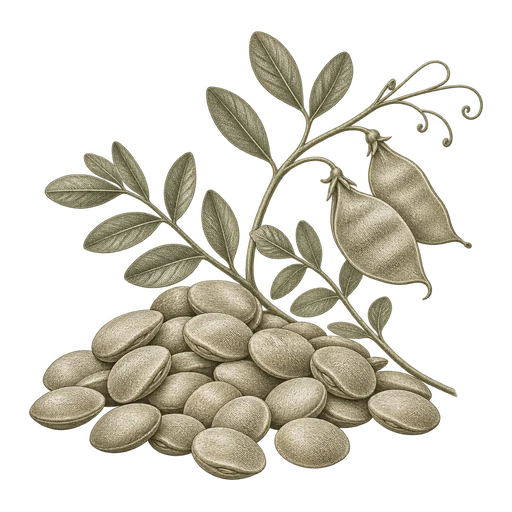
Green Lentil Flour

Green lentil flour is milled from green lentil seed for food product development, including bakery, pasta, snack and other formulations. Compare whole-seed or dehulled status, heat treatment and particle size because these differences can affect color and processing behavior.

Explore ingredient
Seeds, Grains & Specialty

Hulled Millet

Hulled millet is millet grain with its outer covering removed, sold as whole grain and also used in flour or precooked forms. Species and processing status distinguish offers and help food manufacturers match the ingredient to their production method.

Explore ingredient
Tree Nuts

Macadamia Nuts

Macadamia nuts are sourced in-shell or as kernels for snacks and food manufacturing. Compare kernel style, raw or roasted processing, moisture and oil analysis, and packaging to match the product to its intended use.

Explore ingredient
Dairy Ingredients

Milk Protein Isolate

Milk protein isolate is a concentrated bovine milk protein ingredient used in human-food formulations, including nutrition bars and dietetic products. Compare conventional and microfiltered profiles, quality measures and processing needs before choosing a bulk product.

Explore ingredient
Grains

Oat Flour

Oat flour is milled oats used in bakery products, cereals, bars, batters and other food formulations. Processing and particle size affect how it blends and performs, so compare the offered flour’s preparation, analysis and grind with your recipe and receiving requirements.

Explore ingredient
Other Seeds & Grains

Oat Groats

Oat groats are dehulled oat kernels used in food processing and feed formulations. Specify whole or cut form and processing history, then compare relevant quality measures on a consistent basis.

Explore ingredient
Feed Ingredients

Oats & Oat Products

Oats are sourced as whole grain and as distinct products such as groats, flakes, flour, bran and hulls. Match the form and its analysis to the food or feed application, then plan bulk receiving and storage around that specific material.

Explore ingredient
Oils/Fats

Olive Oil

Olive oil covers distinct virgin, refined, blended and pomace categories. Match the processing route and sensory requirements to the food use, then compare quality measures and receiving needs for a bulk order.

Explore ingredient
Dried Fruits

Peaches

Peaches are sourced as fresh fruit and in processed forms including canned pieces, purée, juice and dried product. Identify the exact form and intended use; pomace, peel, stone and seed are separate processing materials with different composition and handling considerations.

Explore ingredient
Seeds, Grains & Specialty

Peanut Granules

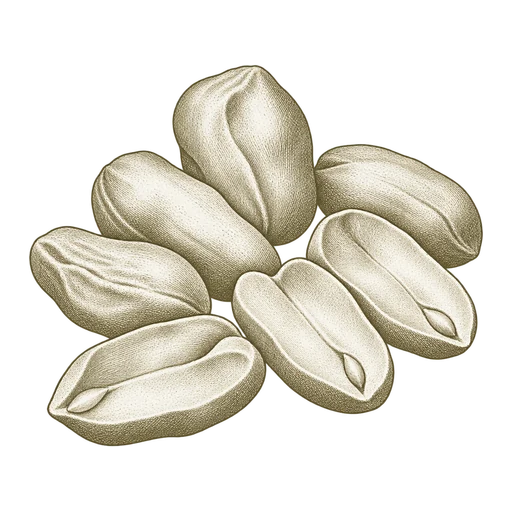
Peanut granules are chopped peanut pieces used in foods such as chocolate, ice cream and biscuits. Compare particle size, roast and blanch status, added ingredients, and lot-specific quality documentation to find a product that fits your process.

Explore ingredient
Oils/Fats

Peanut Oil

Peanut oil is an edible oil derived from peanut seeds and used in cooking and frying. Compare the offered processing description and lot-specific quality measures, then match the order and receiving details to your intended food process.

Explore ingredient
Grains

Pearled Barley

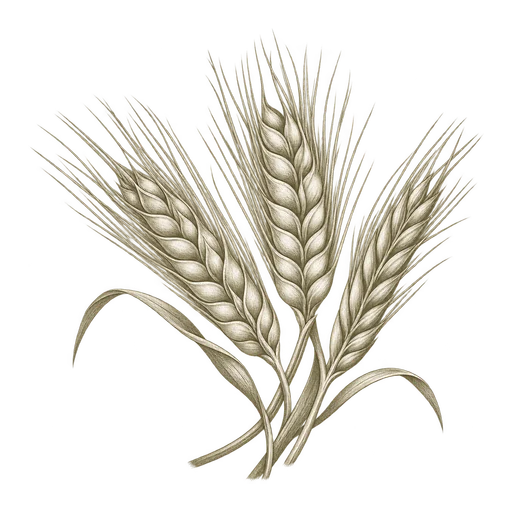
Pearled barley is polished barley grain used mainly as a cooked food grain or milled into flour. Processing degree affects kernel characteristics and cooking performance, so define the form and quality measures needed for your operation.

Explore ingredient
Tree Nuts

Pine Nuts

Pine nuts are edible seeds sold shell-on, as shelled kernels or as extracted oil. Species, form and freshness criteria help buyers match the ingredient to food applications such as salads, desserts, sauces and further processing.

Explore ingredient
Pulses

Pinto Beans

Pinto beans are whole, dry edible beans used in food manufacturing and further processing. Compare grade, moisture, defects, seed characteristics and packaging against the needs of the process and receiving facility.

Explore ingredient
Grains

Popcorn

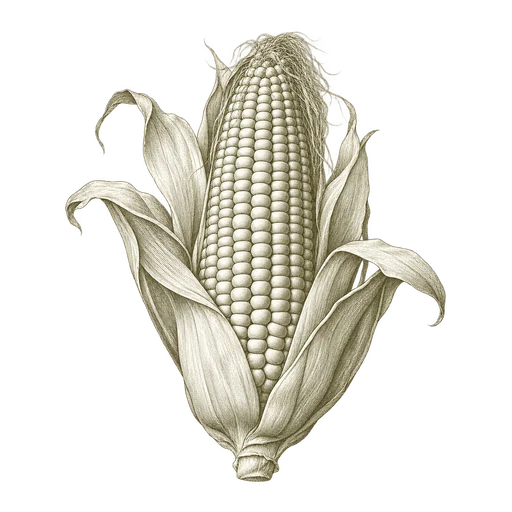
Popcorn is a distinct maize type purchased as whole kernels for popping or as an already-popped food ingredient. For bulk food use, match the form to your process and compare kernel moisture, popping performance and integrity against your requirements.

Explore ingredient
Starches/Fibers/Proteins

Potato Flake

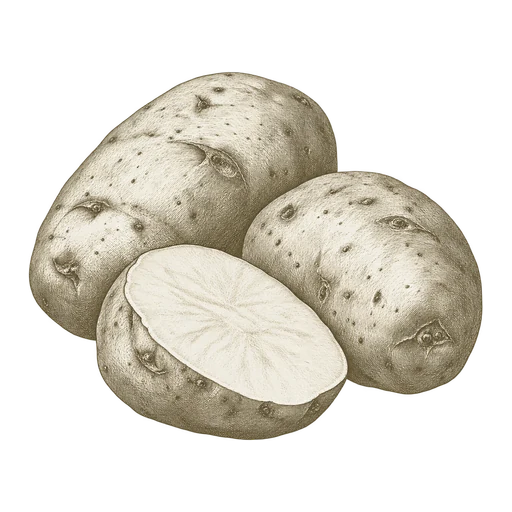
Potato flakes are cooked, mashed potatoes drum-dried into pieces for use in snacks, soups, sauces, bakery products and other potato foods. Compare flakes with other dehydrated potato forms, then assess the offered lot’s quality measures, preparation guidance and storage requirements.

Explore ingredient
Dried Fruits

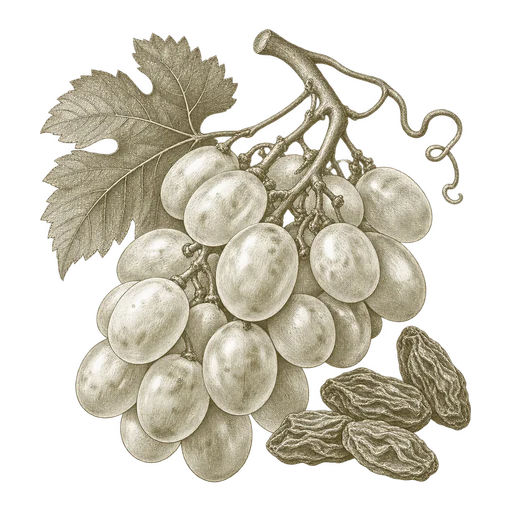
Raisins

Raisins are dried grapes used in baking, food manufacturing, confectionery and culinary products. Specify grape category, seed status, drying treatment and preparation to match the fruit to your process.

Explore ingredient
Peanuts

Roasted Peanut Hearts

Roasted peanut hearts are roasted peanut kernels, but the name does not define whether a lot is whole, split or broken. Specify kernel form, roast method, skin and seasoning status, along with relevant quality documentation and receiving needs.

Explore ingredient
Peanuts

Roasted Pickouts

Roasted pickouts is an imprecise name for roasted peanut material, not a defined grade. Clarify kernel form, skin content, processing, additives and lot-specific quality information before matching a bulk purchase to food processing or another intended use.

Explore ingredient
Starches/Fibers/Proteins

Soy Protein Concentrate

Soy protein concentrate is a processed soybean protein ingredient supplied in forms such as powder, granules or textured product. Compare the form, protein basis, processing details and intended market to match the ingredient to a food process or feed formulation.

Explore ingredient
Pulses

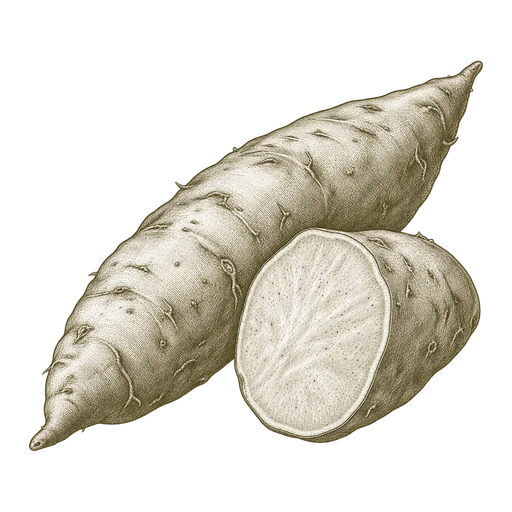
Yellow Peas

Yellow peas are dry field peas sold whole, split or milled into flour for food ingredients and feed. Choose the form for the receiving process, and compare lot quality against the intended use.

Explore ingredient

A collection spanning different ingredient roles

Food manufacturing draws on ingredients with very different forms and functions. This collection brings together grains and grain products, pulses, plant and dairy proteins, edible fats and oils, nuts, and dried fruit and vegetable ingredients. Examples include oat flour, green lentil flour, milk protein isolate, olive oil, macadamia nuts, raisins and potato flake.

These ingredients are not interchangeable. The right choice depends on the product being made, the ingredient’s physical form and how it behaves in the intended process.

Match ingredient form to the process

Form can determine how an ingredient moves through production and appears in the finished food. Oat groats and oats differ from oat flour; pearled barley and hulled millet are distinct grain forms. Peanut granules and roasted peanut hearts offer different piece forms from whole nuts. For any grain intended to support whole-grain positioning, confirm its processing and composition rather than relying on a name such as “groats” or “hulled.”

Flours and flakes may suit dry blends or baking; intact grains and pulses may be selected for cooking or inclusion. Nuts, raisins and peaches can serve as inclusions, while ghee, olive oil and peanut oil have uses in cooking or formulation. Confirm suitability against the actual line and product specification.

Specify the lot and manage risks

Tie purchasing requirements to the exact ingredient and use. Depending on the product, review particle or piece size, moisture, foreign-material limits, color and flavor, and relevant protein or fat measures. For oils and fats, clarify grade or refining description and relevant quality measures. Confirm packaging and storage requirements for the specific lot.

Low moisture does not establish that an ingredient is sterile or pathogen-free. Check food-safety documentation, intended use and any required validated treatment. For milk, soy, peanut and tree-nut ingredients, verify allergen identity and cross-contact information for the lot and facility, then apply your finished-product labeling and allergen controls.

Common questions.

Can one specification cover all ingredients in this collection?+

No. Grains, flours, pulses, proteins, oils, nuts and dried produce need requirements suited to their specific form and use.

Does an ingredient name guarantee its performance in a process?+

No. Confirm the producer’s specification, physical form and relevant analytical limits against your process.

Are low-moisture ingredients automatically pathogen-free?+

No. Confirm intended use, food-safety controls and any validated treatment required for your application.

What allergen information should buyers check?+

Verify source allergens and cross-contact controls for the specific lot and facility, then assess them within your labeling and preventive-control program.

Food manufacturing applications · BUYER INSIGHTS

Go deeper before you source.

Focused guides to the specification, application, and delivery questions behind this ingredient.

FIELD GUIDE01Food manufacturing applications
Buyer’s guide

Yellow peas: moisture, receiving and storage planning

Plan bulk yellow pea receipt around the form, unloading method and capacity of your facility. Assess incoming moisture and protect stored peas from water and contamination; drying and storage decisions depend on grain condition and local conditions.

Read this Insight
FIELD GUIDE02Food manufacturing applications
Buyer’s guide

Yellow pea flour versus whole peas in food formulation

Whole yellow peas, split peas and pea flour enter food production in different physical forms. Match the form to the next process, plant equipment and formulation—and treat protein-rich pea fractions as separate ingredients.

Read this Insight
FIELD GUIDE03Food manufacturing applications
Buyer’s guide

How to compare whole yellow peas by grade and condition

Compare whole yellow peas against the use they must serve. Moisture, kernel integrity, cleanliness, damage, color, heating and identity each inform a different quality decision—and a grade reference does not replace a clear contract specification.

Read this Insight
FIELD GUIDE04Food manufacturing applications
Buyer’s guide

Planning bulk receiving and storage for sweet potato flakes

Plan bulk sweet potato flakes receiving by matching the order quantity, delivery details, packaging and storage plan to your facility—and use product-specific handling directions rather than assumptions about dehydrated ingredients.

Read this Insight
FIELD GUIDE05Food manufacturing applications
Buyer's guide

Sweet potato flakes in food formulations: what to evaluate

A practical framework for evaluating sweet potato flakes in a specific food recipe, from product identity and particle size to sensory testing and manufacturing trials.

Read this Insight
FIELD GUIDE06Food manufacturing applications
Buyer’s guide

How to compare sweet potato flakes specifications

A practical framework for comparing sweet potato flakes specifications, including ingredient identity, processing, moisture methods, particle-size reporting and sensory descriptions.

Read this Insight