Independent sourcing. Better connections.Commercial buyers · Bulk ingredients
tag

Bakery ingredients

Bakery ingredients groups bulk materials that can play different roles in baked foods: flour and meal, nuts and seeds, dried fruit, and dairy-derived products. The collection includes Almond Meal, Clear Flour, Chia, Raisins, Buttermilk Powder and other ingredients, but a shared tag does not make them equivalent. Buyers should select by recipe function and confirm each product’s identity, form and intended food use.

30 ingredients6 published Insights
EXPLORE THE COLLECTION

Bakery ingredients ingredients

Tree Nuts

Almond Meal

Almond meal can mean ground edible kernels or oil-extraction press cake, and the distinction affects composition and bakery performance. Identify the almond fraction, compare its lot analysis and match its form to your formulation and receiving setup.

Explore ingredient
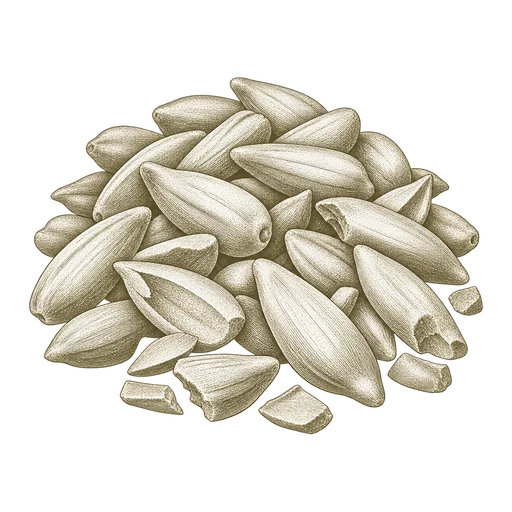
Sunflower Seeds

Bakery Kernels

Bakery kernels is a broad label for kernels, seeds or blends used in baked goods—not one standardized ingredient. Specify the species, form and quality needs, since whole, chopped, roasted, ground and blended products differ in recipe role and handling.

Explore ingredient
Tree Nuts

Brazils

Brazil nuts are sourced in-shell or as shelled kernels, including whole, sized, chipped and broken forms. Match kernel size and condition to the food application, and assess storage and quality requirements for the specific lot.

Explore ingredient
Dairy Ingredients

Butter Products

Butter products include churned butter, concentrated milkfat products and formulated powders. Choose the exact form first: composition, recipe role, quality measures and temperature or storage needs differ across these ingredients.

Explore ingredient
Dairy Ingredients

Buttermilk Powder

Buttermilk powder is dried liquid buttermilk used to supply dairy solids and flavor in foods such as baked goods, sauces, beverages and desserts. Compare the product’s starting material, composition and functional properties to match it to the formulation and handling process.

Explore ingredient
Other Seeds & Grains

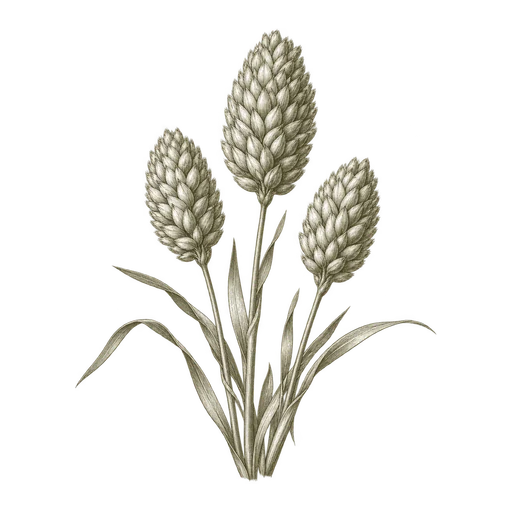
Canary

Canary seed is a grass grain sourced mainly for bird-feed blends, with specific glabrous varieties also processed into food ingredients such as groats and flour. Identify the hull type, intended market and processing form before comparing bulk lots.

Explore ingredient
Tree Nuts

Cashew Pieces

Cashew pieces are broken edible kernels used as a cashew ingredient when whole-kernel appearance is unnecessary. Compare piece size, processing state and quality requirements to match the product with your food formulation.

Explore ingredient
Seeds

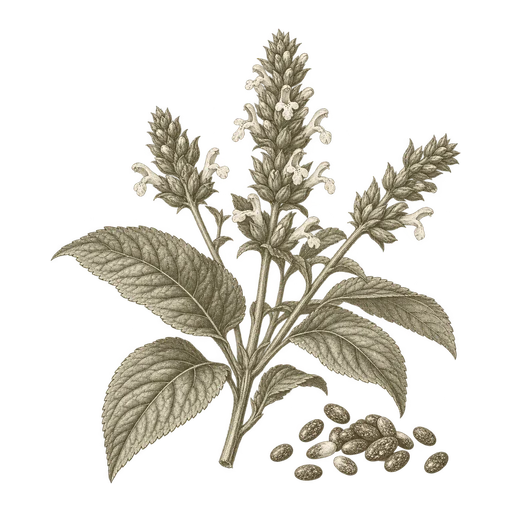
Chia

Chia is an oilseed sold as whole or milled seed, gel or mucilage, oil, and extraction coproducts. Choose the form around its role in food or feed, and compare product-specific quality measures and handling needs before arranging a bulk shipment.

Explore ingredient
Pulses

Faba Beans

Faba beans are grain-legume seeds used in food and feed, supplied in forms ranging from whole or split seed to milled and more highly processed ingredients. Choose by intended use and form, then compare the relevant lot analysis and handling needs.

Explore ingredient
Dried Fruits

Figs

Dried figs are sourced whole or as pieces for bakery, confectionery and dried-fruit uses. Compare style, treatment, moisture and lot condition, then match packaging and storage to your receiving operation.

Explore ingredient
Tree Nuts

Macadamia Nuts

Macadamia nuts are sourced in-shell or as kernels for snacks and food manufacturing. Compare kernel style, raw or roasted processing, moisture and oil analysis, and packaging to match the product to its intended use.

Explore ingredient
Dairy Ingredients

Milk Permeate

Milk permeate is a lactose- and mineral-rich dairy fraction used in food formulations including baked goods, dairy products, dry mixes and beverages. Bulk buyers can distinguish milk permeate from whey permeate and compare powder composition, reporting basis and handling needs against the intended application.

Explore ingredient
Grains

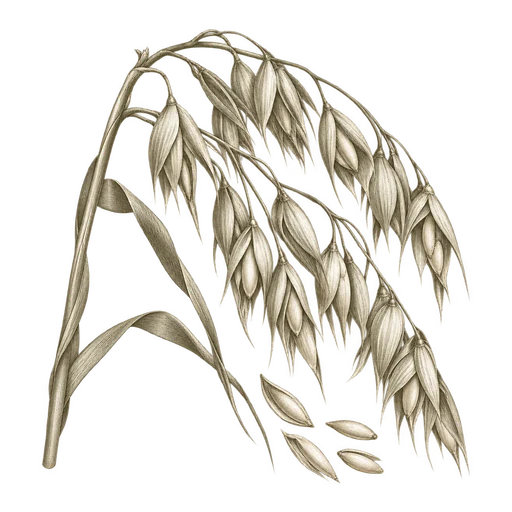
Oat Flour

Oat flour is milled oats used in bakery products, cereals, bars, batters and other food formulations. Processing and particle size affect how it blends and performs, so compare the offered flour’s preparation, analysis and grind with your recipe and receiving requirements.

Explore ingredient
Starches/Fibers/Proteins

Pea Hull Fiber

Pea hull fiber is milled field-pea seed coat used in food formulations and animal feed. Compare hull identity, fiber analysis basis, particle size and intended grade to choose material that fits the formulation and receiving setup.

Explore ingredient
Tree Nuts

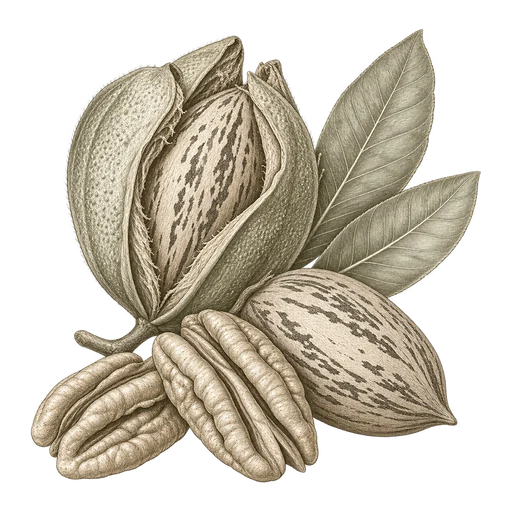
Pecan Pieces

Pecan pieces are broken portions of shelled pecan kernels used in food manufacturing when whole halves are not required. Compare screen size, grade, moisture and defect limits to match the ingredient to its role, appearance and receiving process.

Explore ingredient
Tree Nuts

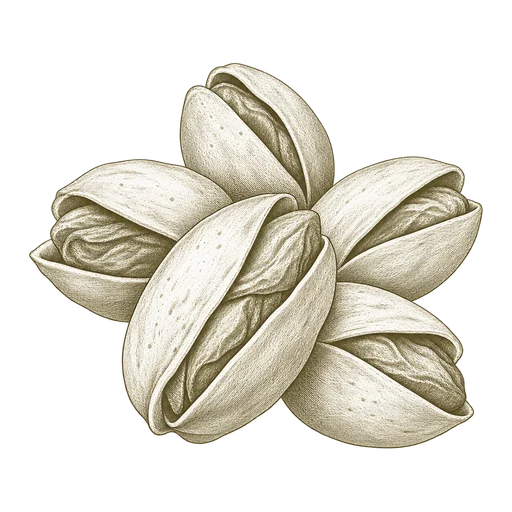
Pistachios

Pistachios are sourced as in-shell nuts, shelled kernels and processed forms for snacks, bakery, frozen desserts, sauces and confections. Define the product form, processing and quality requirements together, since shelling, roasting, seasoning and particle size change how the ingredient fits a food application.

Explore ingredient
Seeds

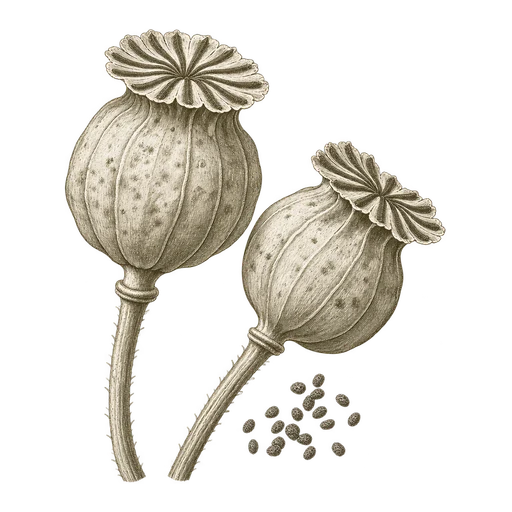
Poppy

Poppy can refer to whole seed for food uses or to oil-extraction by-products used in feed. Specify whole seed, pressed cake or solvent-extracted meal, then compare intended-use requirements and lot analysis on a consistent basis.

Explore ingredient
Dried Fruits

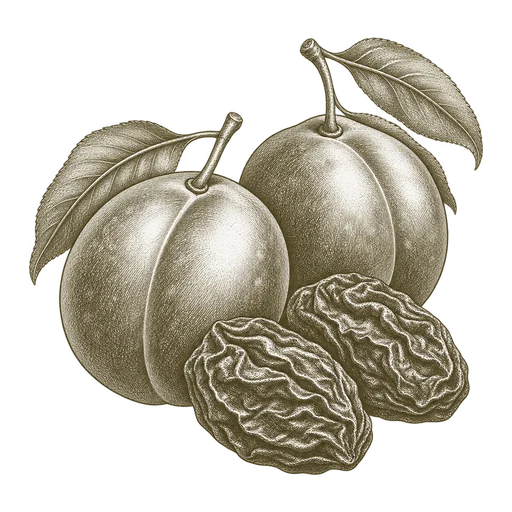
Prunes

Prunes are dried European plum fruit supplied whole or in ingredient forms such as diced pieces, paste, puree, concentrate and powder. Compare style, moisture, size, ingredients and handling characteristics against the needs of your food process.

Explore ingredient
Dried Vegetables

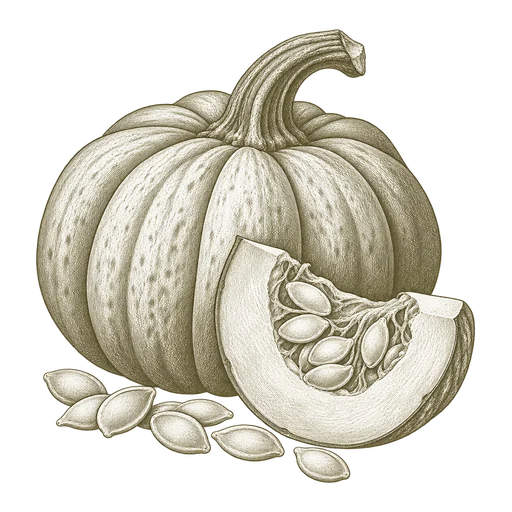
Pumpkin

Pumpkin is sourced as distinct ingredients—including pulp, peel, seeds and processing residues—in fresh, dried or other processed forms. Match the plant part and processing method to the intended food or feed use, then compare moisture, particle form and relevant analysis.

Explore ingredient
Dried Fruits

Pumpkin Powder

Pumpkin powder is dried, milled pumpkin material used in food formulations and some feed research. Compare the plant parts, processing, moisture and particle characteristics to choose a powder that fits the intended use and receiving setup.

Explore ingredient
Grains

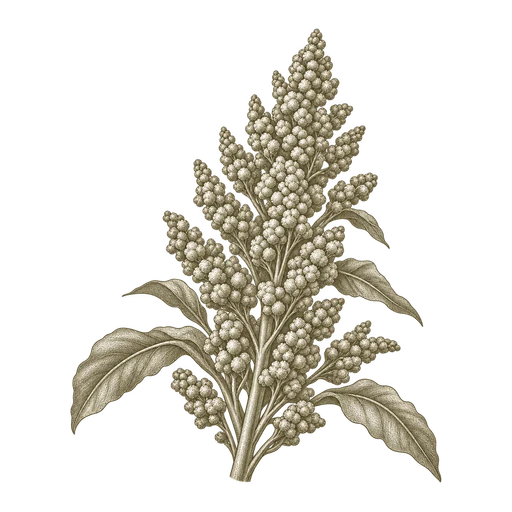
Quinoa

Quinoa is a grain-like pseudocereal seed sold in distinct forms such as whole grain and flour. Compare form, processing and relevant quality measures to match the product to a food or feed application and plan receiving and storage.

Explore ingredient
Dried Fruits

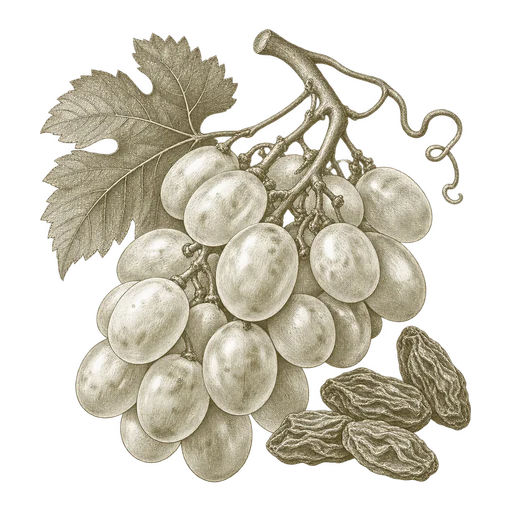
Raisins

Raisins are dried grapes used in baking, food manufacturing, confectionery and culinary products. Specify grape category, seed status, drying treatment and preparation to match the fruit to your process.

Explore ingredient
Pulses

Red Lentil Flour

Red lentil flour is a milled human-food ingredient whose seed form, particle size and processing history affect how it performs in formulations. Compare those characteristics with your application and specify the quality information, packaging and delivery details needed for a bulk order.

Explore ingredient
Dairy Ingredients

Sweet Whey

Sweet whey is a cheese-making co-product sold as liquid, concentrate or powder. The form affects composition, receiving and storage, while its lactose, protein, fat and minerals support food manufacturing and selected feed uses.

Explore ingredient
Starches/Fibers/Proteins

Tapioca Starch

Tapioca starch is cassava-root starch used for thickening, binding and stabilization in food products and in selected feed formulations. Native, modified, pregelatinized and hydrolyzed forms can behave differently, so match the form and functional data to the process before arranging a bulk shipment.

Explore ingredient
Tree Nuts

Walnut Pieces

Walnut pieces are broken edible walnut kernels used where a fragment format fits the finished food. Confirm species, kernel-versus-meal identity, piece size and lot condition, then plan moisture-protected, cool storage.

Explore ingredient
Starches/Fibers/Proteins

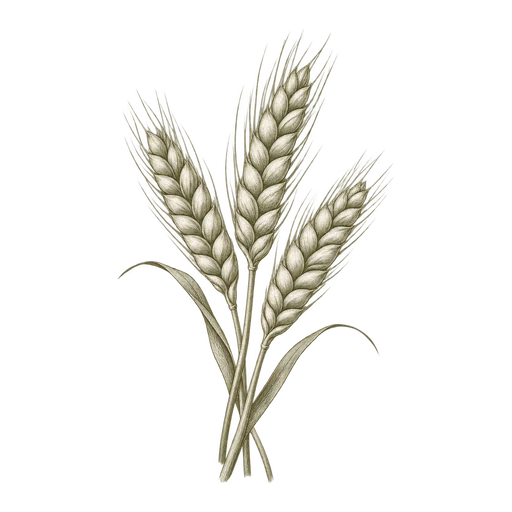
Wheat Germ

Wheat germ is a wheat-milling co-product used in food formulations and feed. Compare full-fat and defatted forms, processing history, and freshness measures to identify the material that fits your formulation and handling needs.

Explore ingredient

A varied collection, not one ingredient class

Bakery ingredients brings together materials with different identities and formulation roles. This collection includes flour and meal, nuts and seeds, dried fruit, and dairy-derived products. The tag is a way to browse related ingredients; it does not mean they are interchangeable or suitable for every baked-food recipe.

Almond Meal, Clear Flour and Red Lentil Flour differ in composition and baking behavior. Brazils, Chia and Bakery Kernels represent other ingredient types, while Figs and Raisins offer dried-fruit options. The specific form and processing still need to be established for each product.

Choose by role and product form

Start with the role an ingredient must play: a flour or meal in the dough, a nut or seed as an inclusion or topping, dried fruit within a product, or a dairy-derived ingredient in a formulation. Names such as Butter Products and Milk Permeate do not establish exact composition or form. Buttermilk Powder is also not a substitute for another dairy ingredient simply because both are powders.

For flour, identify which measures matter to the recipe, such as protein, ash or water absorption. For fruit, nuts, seeds and powders, clarify particle or piece size, moisture, processing and any added ingredients. Requirements depend on the product and intended use; the tag provides no universal targets.

Check food use, allergens and handling

Confirm the technical identity, intended food use, ingredient statement and product specification before choosing a material. In particular, Canary requires confirmation of its specified food-use form; the name alone does not establish that it is food-grade. Review allergen information for relevant ingredients, including tree nuts, milk and wheat, and assess finished-product labeling and cross-contact controls.

Packaging, storage conditions and shelf-life guidance should match the specific ingredient. Dried fruit, powders, meals and kernels can differ in handling needs, so do not infer storage requirements from the collection label.

Common questions.

Are the ingredients in this collection interchangeable?+

No. Flours, nut meals, seeds, dried fruit and dairy-derived products have different identities and roles. Evaluate any substitution in the intended recipe.

What should I clarify about Bakery Kernels or Butter Products?+

Confirm the exact ingredient identity, form, processing and intended food use. Those names alone do not establish composition or performance.

Can the Canary listing be assumed to be for human food?+

No. Confirm that it is the specified food-use form; the name alone does not distinguish it from seed intended for other markets.

Which allergen details should bakery buyers review?+

Check the ingredient statement and cross-contact information for relevant allergens, including tree nuts, milk and wheat, then assess labeling for the finished product.

Bakery ingredients · BUYER INSIGHTS

Go deeper before you source.

Focused guides to the specification, application, and delivery questions behind this ingredient.

FIELD GUIDE01Bakery ingredients
Buyer’s guide

Wheat Germ Storage History and Bulk Receiving Questions

Questions to ask about wheat germ processing date, storage history, packaging and receiving help buyers plan for freshness-sensitive material without assuming a universal shelf life or shipment format.

Read this Insight
FIELD GUIDE02Bakery ingredients
Buyer’s guide

Full-Fat or Defatted Wheat Germ for Food Formulation?

Oil extraction changes wheat germ’s composition and oil contribution. Learn what to compare when selecting full-fat or defatted wheat germ for food formulation.

Read this Insight
FIELD GUIDE03Bakery ingredients
Buyer’s guide

Wheat Germ Freshness: Comparing Oil-Condition Measures

Wheat germ freshness cannot be established by one number. Learn how moisture, water activity, fat breakdown, oxidation, sensory condition and processing history contribute different pieces of evidence when comparing a lot.

Read this Insight
FIELD GUIDE04Bakery ingredients
Buyer’s guide

Planning bulk receiving and storage for walnut pieces

Plan bulk walnut pieces receiving around packaging compatibility, clean and dry unloading, moisture protection and cool storage. The 0–10°C (32–50°F) range is a general walnut reference, not a lot-specific shelf-life promise.

Read this Insight
FIELD GUIDE05Bakery ingredients
Buyer’s guide

Choosing walnut pieces for bakery and confectionery formulations

Choose walnut pieces by the visibility and distribution your formulation needs. Larger fragments stand out; smaller pieces create a finer inclusion. Define the required physical format and verify the offered lot’s food-use documentation.

Read this Insight
FIELD GUIDE06Bakery ingredients
Buyer’s guide

How walnut pieces and small pieces are defined by sieve size

Understand how voluntary U.S. walnut piece-size terms use round-opening sieves, why “pieces” and “small pieces” are not grade guarantees, and what else to specify when comparing bulk lots.

Read this Insight