Grains
Alfalfa
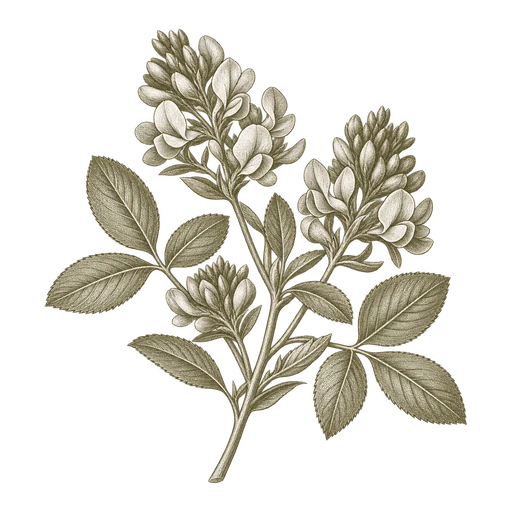
Alfalfa is a forage legume sourced as hay, silage, meal or pellets for livestock feed. Match the form to receiving and ration needs, then compare a lot-specific analysis on a consistent basis.
Explore ingredientPlan bulk oats delivery around the product form, compatible receiving equipment, protection from moisture and contamination, and the records your destination requires.
Before booking bulk oats, identify exactly what is being shipped: whole oats, oat groats, rolled oats or oat flour. These forms handle differently. Whole grain and groats move as discrete kernels; flakes are more fragile, while flour is finer and more prone to dusting. The chosen form affects loading, unloading and the equipment needed at the receiving site.
Discuss the shipment format with the supplier and carrier rather than assuming a particular option is available. Depending on the product and offer, configurations might include loose bulk or packaged freight. The key is to match the load to your order quantity, transport route, receiving equipment and storage space. For packaged material, establish how the packages will be handled and protected; for loose product, confirm that the unloading system can accept it without a transfer step that your site cannot manage.
For a loose shipment, check the destination’s unloading connection, access, operating hours and capacity before dispatch. Confirm that the receiving bin or silo is empty enough to accept the load and that the required conveyor, auger or other intake equipment is available. If the oats arrive in packages, make sure the site has space and equipment to unload, stage and move them without damaging packaging.
Cleanliness matters throughout transit. Discuss the previous-cargo and cleaning expectations with the supplier or carrier, particularly if your operation handles food ingredients or has restrictions on residues, odors or cross-contact. Agree on how shipment identity and condition will be checked at arrival, and who should be contacted if seals, packaging or load condition raise a concern.
Moisture is a central handling concern for stored grain and processed oat ingredients. Rain entering damaged packaging, leaks in a vehicle or condensation during transit can compromise a load. Plan loading and unloading to limit exposure to precipitation, and discuss protection from condensation with the party arranging the shipment, especially when temperatures or conditions may change along the route.
Keep the load protected from pests, dirt, chemicals and strong odors as well. The practical controls depend on whether the material is loose, bagged, flaked or milled. Flour and other fine products need particular attention to package integrity and dust control; intact packaging also helps keep handled product separate from surrounding materials. Follow any product-specific handling instructions provided for the lot rather than applying a storage limit or shelf life that has not been established for it.
Receive oats into a clean, dry bin, silo or designated staging area that is suitable for the product form. Remove old residues and address pest activity before the shipment arrives. Keep the storage area protected from roof or wall leaks and conditions that could create condensation. Avoid placing oats where they could contact chemicals, cleaning materials or strong-smelling goods.
Plan how incoming material will be identified and used. Keep lot information attached to the inventory record, and use a stock rotation method that fits your operation. At arrival, inspect the vehicle or packages for visible damage, moisture or contamination. If the load’s condition is questionable, hold it apart from accepted inventory while the issue is assessed; blending it into stored material can make a problem harder to isolate.
Ask which documents will accompany the specific shipment and what your facility or destination needs before it leaves. Useful records may include the product description and applicable specification, lot identification, a lot analysis or certificate of analysis when provided, shipment weight records and transport documents. Food-safety, allergen or cross-contact statements may also matter for a food operation; import or destination paperwork depends on the route and applicable rules. These are buyer-specific needs, not a universal document package.
Before requesting a delivered quote for oats, provide the product form, quantity and unit, destination, requested timing, preferred packaging or unloading arrangement, and any quality or documentation requirements. Include receiving hours and equipment constraints so the proposed shipment can be assessed against the actual site. The Oats ingredient page is the natural next step for buyers comparing the ingredient before arranging a bulk order.
Confirm the oat form, quantity and unit, shipment configuration, delivery location and timing, receiving equipment, storage capacity, and any required quality or food-safety documents. Make sure the site can receive the shipment in the format being arranged.
Store oats in a clean, dry area suitable for their form, protected from leaks, condensation, pests, dirt and contact with chemicals or strong odors. Follow any lot-specific handling guidance and retain lot identification in your inventory records.
Depending on the order and destination, buyers may need product and lot identification, a specification or lot analysis, weight records, transport documents, or food-safety and allergen information. Import and destination paperwork depends on the route and applicable rules, so settle those requirements before dispatch.
Focused guides to the specification, application, and delivery questions behind this ingredient.
Oat flour, rolled oats and cut oats behave differently in bakery formulas. Compare their particle structure and processing in product-specific trials before defining a bulk sourcing specification.
Read this InsightCompare oat milling specifications by connecting physical quality, condition and applicable safety criteria to the mill’s process and finished product. Clear methods and acceptance limits make bulk offers easier to evaluate.
Read this InsightAlfalfa is a forage legume sourced as hay, silage, meal or pellets for livestock feed. Match the form to receiving and ration needs, then compare a lot-specific analysis on a consistent basis.
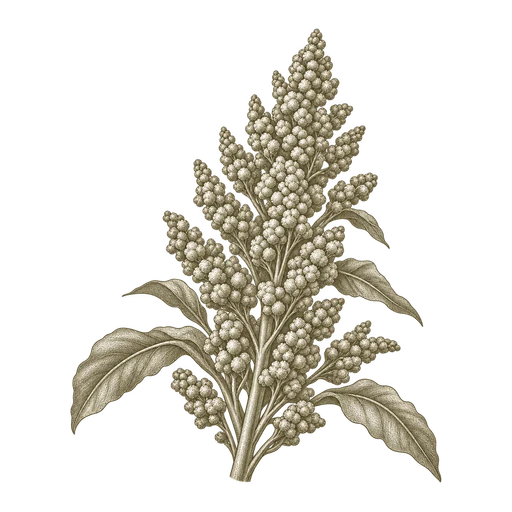
Explore ingredientAmaranth can be sourced as grain, leaf meal or whole-plant forage, and those forms are not interchangeable in feed formulation. Specify the plant material, species and processing method, then compare lot analysis suited to the intended animal and use.
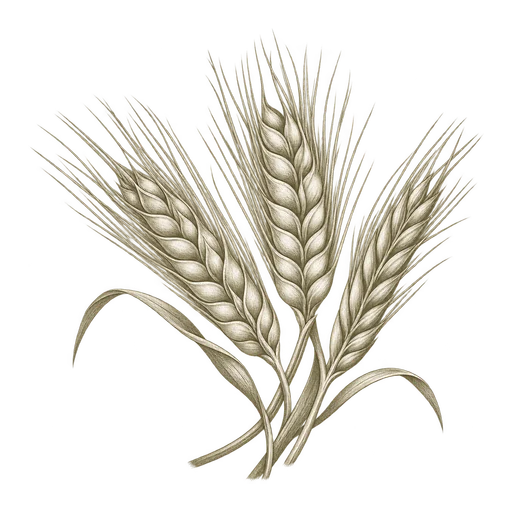
Explore ingredientBarley is a cereal grain used in cattle feed, malting, food and industrial processing. Whole and processed forms serve different needs; identify the intended use, processing state and receiving requirements when sourcing a bulk order.
Explore ingredientBrewers rice is a broken-rice milling fraction used in brewing, fermented products and animal feed. Compare broken, granulated or ground forms and review lot-specific physical and analytical details before sourcing in bulk.
Explore ingredient