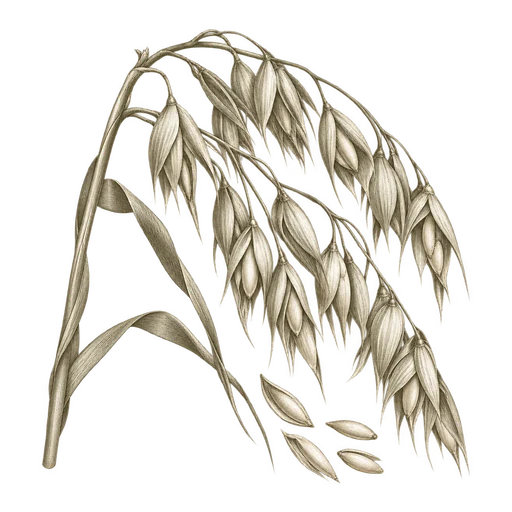
Colored Oat Groats
Colored oat groats are dehulled oat kernels for food processing and other uses. Clarify whether color refers to the hull or groat, and specify kernel form and processing state so the offer matches your use.
Explore ingredientThe Oats collection currently contains Colored Oat Groats. Understand the groat form, clarify what “colored” describes, and compare processing and quality details against the intended use.
Colored oat groats are dehulled oat kernels for food processing and other uses. Clarify whether color refers to the hull or groat, and specify kernel form and processing state so the offer matches your use.
Explore ingredientOat groats are dehulled oat kernels used in food processing and feed formulations. Specify whole or cut form and processing history, then compare relevant quality measures on a consistent basis.
Explore ingredientOatmeal can mean rolled oats, another oat form, or a distinct feed milling fraction. Name the exact product and intended use, then compare the relevant quality details and receiving needs for a bulk order.
Explore ingredientOats are sourced as whole grain and as distinct products such as groats, flakes, flour, bran and hulls. Match the form and its analysis to the food or feed application, then plan bulk receiving and storage around that specific material.
Explore ingredientThis Oats tag currently contains Colored Oat Groats. An oat groat is the kernel remaining after the outer hull is removed. It is a milling ingredient that can be used whole, cut, rolled into flakes, or milled further; the tag does not imply that rolled oats, oat flour, bran, or feed oats are included.
“Colored” is not a standardized color grade or a complete product specification. Clarify whether the description refers to the intact oat’s hull or the dehulled groat, and request the actual color description or measurement.
Before comparing lots, establish whether the groats are whole or cut and whether they are raw or heat-treated. Heat treatment can affect enzyme activity associated with rancidity and bitter flavors, so processing history matters when the ingredient is headed for milling or food production.
For food milling, useful comparison points include moisture, test weight, groat yield, kernel or groat color, protein, oil, beta-glucan, damage, and foreign material. Which measures matter most depends on the process and finished product; request results with their methods, units, and measurement basis.
Match packaging or conveyance to the receiving setup and intended storage. Protect the groats from moisture ingress and pests, and confirm that the product’s moisture and handling conditions suit the buyer’s storage plan. Do not treat results from a particular storage study as a shelf-life guarantee for a different lot or environment.
The ingredient name alone does not establish suitability for animal feed or pet food. For those uses, confirm intended-use status and obtain the nutrition and quality information required for the target species and formulation.
The term alone does not identify a specific variety, color standard, or composition. Ask whether it describes the hull or groat and how the color is characterized.
Confirm whether they are whole or cut and raw or heat-treated. Those details help determine how the product fits your process.
For food milling, consider moisture, test weight, groat yield, color, damage, foreign material, and application-relevant measures such as protein, oil, and beta-glucan. Compare results on the same measurement basis.
No such products are represented in this collection’s supplied membership; its current member is Colored Oat Groats.
Focused guides to the specification, application, and delivery questions behind this ingredient.
Plan oat receiving around the product form, unloading setup, storage conditions and moisture information needed for your process.
Read this InsightOat flakes and oat flour differ in physical form and processing. Learn which questions to resolve when matching each form to a food manufacturing process.
Read this InsightA practical guide to interpreting whole-oat grade factors, understanding what lot data do and do not establish, and separating grain grades from specifications for processed oat products.
Read this InsightPlan bulk oats delivery around the product form, compatible receiving equipment, protection from moisture and contamination, and the records your destination requires.
Read this InsightOat flour, rolled oats and cut oats behave differently in bakery formulas. Compare their particle structure and processing in product-specific trials before defining a bulk sourcing specification.
Read this InsightCompare oat milling specifications by connecting physical quality, condition and applicable safety criteria to the mill’s process and finished product. Clear methods and acceptance limits make bulk offers easier to evaluate.
Read this Insight