Why sunflower chips need their own handling plan
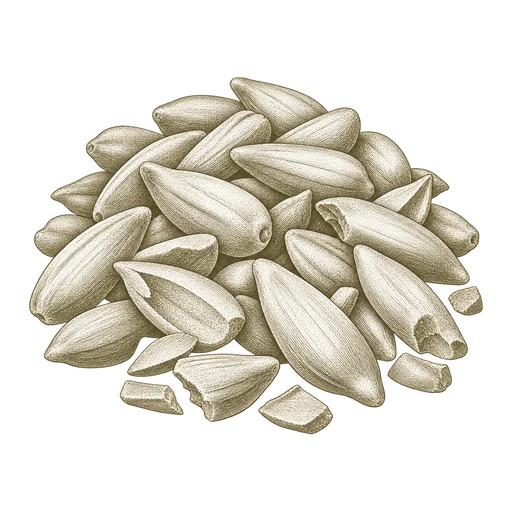
Medium sunflower chips are pieces of sunflower kernels, not intact sunflower seeds. That distinction matters when planning bulk receipt and storage: chips have cut or broken surfaces and do not have the same physical structure as a whole seed with its hull. Whole-seed moisture thresholds therefore should not be treated as chip specifications. Use the offered chips’ own quality requirements and storage instructions instead.
Kernel chips also contain oil, so moisture control is not the only storage concern. Exposure to heat, air, light, or contamination can affect product condition over time. A workable receiving plan protects the material from wet conditions and keeps it in a clean, appropriate storage area.
Prepare the receiving site before dispatch
First establish how the chips will arrive and how your facility can receive them. Packaging and transport arrangements depend on the specific offer; do not assume a bulk truck, tote, or bag format is available. Identify the expected package or delivery configuration, the unloading equipment and connections your site can accommodate, and any access or appointment constraints. These details help avoid a mismatch between the shipment and your receiving setup.
Prepare a clean, dry receiving area and an appropriate storage location before the shipment arrives. If the product will be transferred into a bin or other enclosed space, check that it is clean and ready for the material. Keep the product protected from rain, standing water, and contact with residues from previous loads. Share your facility’s unloading and receiving limitations when arranging the order.
Inspect the shipment and unload carefully
At receipt, compare the delivered product and packaging with the order details. Look for damaged or wet packaging, signs of contamination, and any unusual odor or visible condition that warrants holding the material for review. Record the lot identification and the date information supplied for that lot, and follow your site’s procedures for weighing, sampling, and acceptance.
Unloading should match the actual packaging and equipment arrangement, rather than an assumed handling method. Keep opened packages protected while they wait to be transferred, and avoid exposing chips to rain, dust, or dirty surfaces. If the offered packaging or unloading requirements are not clear before dispatch, resolve that point in the order plan so receiving staff know what to expect.
Protect chips from moisture and quality loss in storage
Store the chips in a clean, dry, covered location and protect them from moisture entering through leaks, wet floors, condensation, or exposed packages. Avoid carrying a whole-seed moisture limit over to kernel chips: the two forms differ, and a value intended for intact seeds does not establish the acceptable condition or storage guidance for a processed chip product.
Because sunflower kernels are oil-rich, limiting unnecessary exposure to heat, air, and light is also a sensible handling practice. Keep the product in suitable closed packaging or a clean enclosed storage system, as appropriate to the offered form. Prevent contact with chemicals, pests, dust, and other ingredients that could contaminate or alter the chips. The supplier’s handling directions for the specific product and package should guide storage duration and any environmental limits.
Use lot-specific date and storage guidance
Ask for the date information and storage instructions that apply to the actual chips being offered. A general date rule for sunflower seed—or for another sunflower product—does not establish the appropriate handling period for medium kernel chips. The product’s processing, packaging, and lot information matter, so use guidance supplied for that specific offer rather than assuming a shelf life.
Keep the lot identity and date information with your receiving records, and use your inventory system to track what arrived and when. If packaging is opened or the chips are moved into another container, preserve the link between the stored material and its lot information. Where the date basis or storage direction is unclear, resolve it before the order is finalized.
Build a complete receiving requirement
A useful bulk requirement states the medium chip form, quantity and unit, destination, desired timing, and the packaging and unloading arrangements your facility can accept. Include relevant quality requirements and request the lot-specific date and storage guidance needed by your receiving team. These details help shape a shipment plan around your site rather than relying on assumptions about format or handling.
For product details and sourcing, start with the [Medium Chips page](/ingredients/medium-chips). Pair the product request with your receiving constraints so the offer can be considered against both the ingredient requirement and the practical realities of unloading and storage.
Common questions.
Can I use whole-sunflower-seed moisture limits for medium sunflower chips?+
No. Medium chips are pieces of sunflower kernels, while whole seeds retain their hull and intact structure. A whole-seed threshold does not establish the specification for chips; use the offered chip product’s quality requirements and lot-specific storage guidance.
What should I confirm before arranging receipt of bulk medium sunflower chips?+
Confirm the offered packaging or delivery configuration, quantity and unit, destination, timing, and the unloading method your site can accommodate. Also obtain the lot’s date information and storage instructions so the receiving team can plan for the actual product.
How should medium sunflower chips be stored after delivery?+
Keep them protected from moisture and contamination in a clean, dry, covered location. Limit unnecessary exposure to heat, air, and light, and follow the storage directions supplied for the specific chips and packaging rather than assuming a general shelf life.