Independent sourcing. Better connections.Commercial buyers · Bulk ingredients
tag

Ingredient handling

A collection of bulk ingredients with varied physical forms and receiving needs. Compare product identity, intended use, handling requirements, and lot documentation before purchase.

16 ingredients6 published Insights
EXPLORE THE COLLECTION

Ingredient handling ingredients

Dairy Ingredients

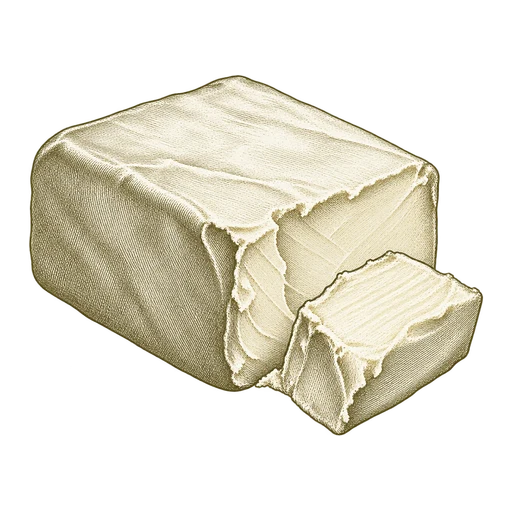
Butter Products

Butter products include churned butter, concentrated milkfat products and formulated powders. Choose the exact form first: composition, recipe role, quality measures and temperature or storage needs differ across these ingredients.

Explore ingredient
Dairy Ingredients

Buttermilk Powder

Buttermilk powder is dried liquid buttermilk used to supply dairy solids and flavor in foods such as baked goods, sauces, beverages and desserts. Compare the product’s starting material, composition and functional properties to match it to the formulation and handling process.

Explore ingredient
Other Seeds & Grains

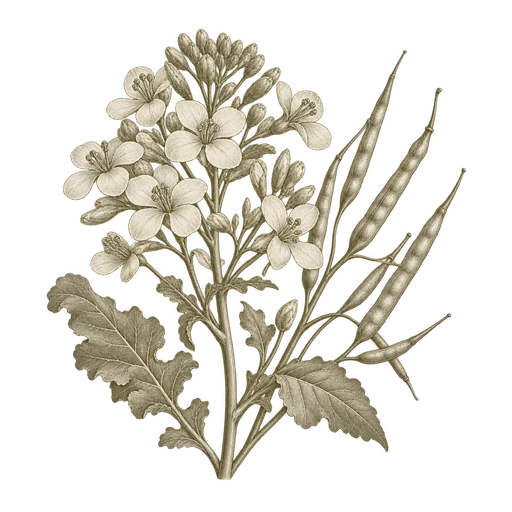
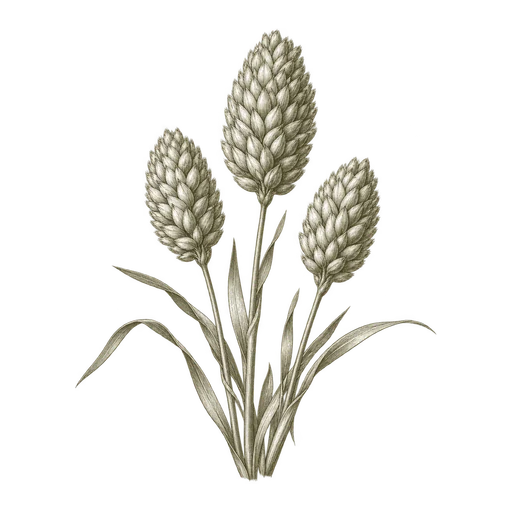
Canary

Canary seed is a grass grain sourced mainly for bird-feed blends, with specific glabrous varieties also processed into food ingredients such as groats and flour. Identify the hull type, intended market and processing form before comparing bulk lots.

Explore ingredient
Dried Vegetables

Carrots

Bulk carrots can mean fresh roots, frozen or dehydrated product, ensiled feed material, or processing by-products such as juice pomace. Identify the exact form and intended use, then compare moisture and analysis on a consistent basis.

Explore ingredient
Starches/Fibers/Proteins

Cassava Flour

Cassava flour is milled, sifted cassava root used in human-food formulations. Distinguish edible flour from feed meal and other cassava products, then compare moisture, processing and the analysis required for your intended use.

Explore ingredient
Dried Vegetables

Celery

Celery is sourced for food use as fresh stalks and leaves, frozen celery, or dried material. Specify the plant part and form because they differ in culinary role, handling, quality measures and storage needs.

Explore ingredient
Dairy Ingredients

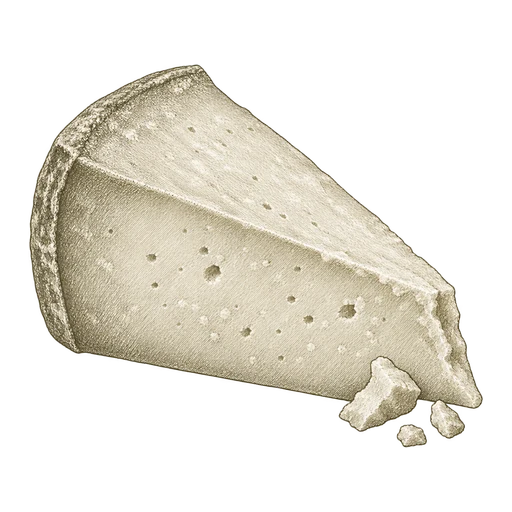
Cheese Powders

Cheese powder is a dried cheese or cheese-based ingredient used to add cheese flavor to coatings, dry mixes, sauces and other foods. Cheese style, added ingredients and drying method affect composition and performance, so compare the formulation and functional properties with the needs of your process.

Explore ingredient
Oils/Fats

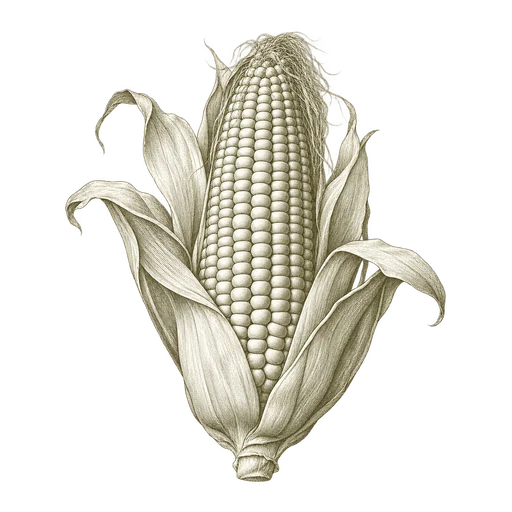
Corn Oil

Corn oil is sourced in distinct forms for edible-oil, feed and industrial uses. Compare the processing description and lot analysis, then match grade, receiving requirements and storage instructions to the intended application.

Explore ingredient
Pulses

Faba Beans

Faba beans are grain-legume seeds used in food and feed, supplied in forms ranging from whole or split seed to milled and more highly processed ingredients. Choose by intended use and form, then compare the relevant lot analysis and handling needs.

Explore ingredient
Dried Fruits

Figs

Dried figs are sourced whole or as pieces for bakery, confectionery and dried-fruit uses. Compare style, treatment, moisture and lot condition, then match packaging and storage to your receiving operation.

Explore ingredient
Sunflower Seeds

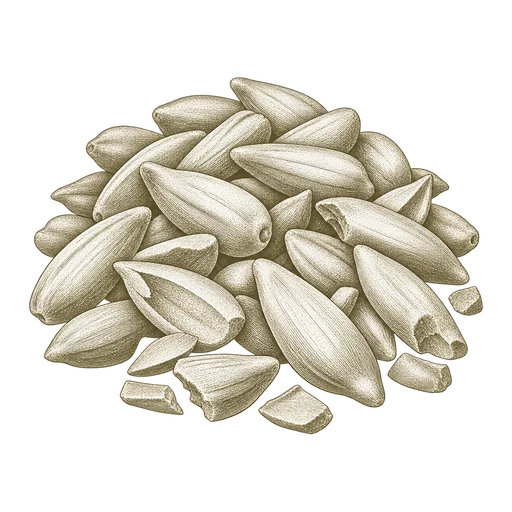
Medium Chips

Medium Chips commonly refers to broken, peeled sunflower kernels used in bird-feed and related ingredient markets. Because “medium” has no universal size definition, compare the sieve cut, intended grade and lot quality before arranging a bulk order.

Explore ingredient
Feed Ingredients

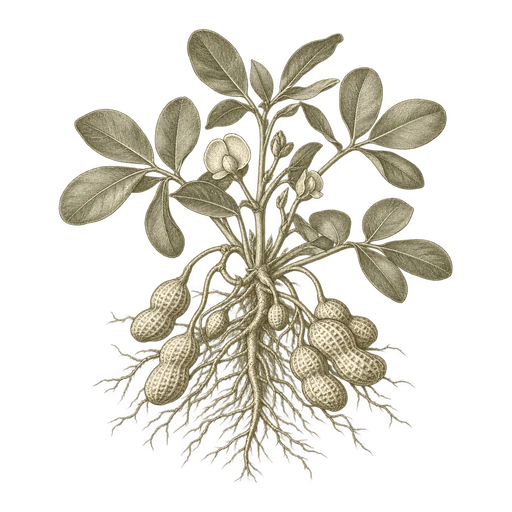
Peanuts

Peanuts are sourced as whole kernels and processed products such as peanut meal, hulls and skins. Identify the exact form and intended use first, then compare the relevant analysis and aflatoxin documentation before arranging a bulk shipment.

Explore ingredient
Dried Vegetables

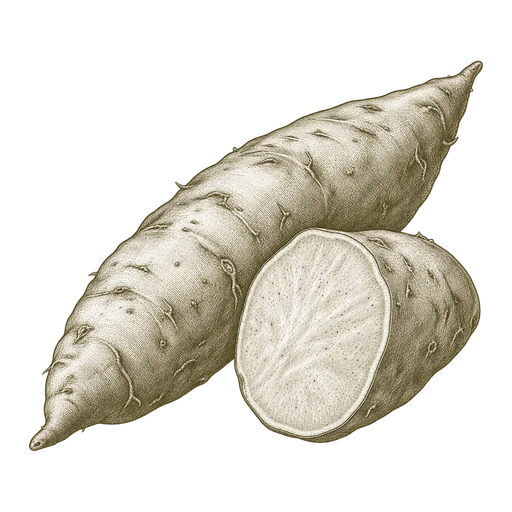
Sweet Potato

Sweet potato bulk materials include roots, vines and processing co-products. Identify the plant part, form and processing method first, then compare composition and handling needs for the intended food or feed use.

Explore ingredient

A handling-focused collection, not one ingredient family

Ingredient handling brings together products with different physical forms and intended uses. The collection includes powders such as Buttermilk Powder and Cheese Powders, meal such as Dried Distillers Grain, liquid oils such as Canola Oil and Corn Oil, and plant materials including Carrots, Celery, Faba Beans and Figs. These examples do not share one receiving method or end use; buyers should identify the specific product and form before planning a delivery.

For less descriptive names such as Canary and Medium Chips, clarify exactly what the product is and how it is supplied. A tag is a way to browse related listings, not confirmation of product identity, suitability, or availability.

Match receiving plans to the product form

Dry powders and meals can differ in flow and discharge behavior. Ask about relevant physical-flow information, moisture basis, packaging, and compatibility with your unloading and conveying equipment. Dried Distillers Grain is a reminder that bulk solids can bridge or cake; do not assume one product’s behavior or handling limits apply to another.

Liquid oils need different controls from dry materials. Storage tanks and transfer equipment should be clean and dry, and air exposure and temperature should be managed in line with product-specific instructions. Do not assume the same handling procedure applies to Canola Oil, Corn Oil, or Butter Products.

Confirm intended use and lot details

Before buying, check the product identity, intended use, current specification, and lot documentation. Where applicable, compare values using the stated units, test methods, and basis, such as as-received or dry matter. Confirm packaging or bulk-delivery format and any equipment requirements. Human-food and animal-food suitability are not interchangeable assumptions; verify the documented use for the specific product.

Common questions.

Are all ingredients in this collection suitable for animal feed?+

No. The tag does not establish intended use. Confirm the specific product’s documented use and suitability for your application.

Can bulk powders and meals use the same unloading setup?+

Not necessarily. Flow and discharge behavior vary by product, so check relevant handling information and receiving-equipment compatibility before arranging delivery.

What should I check when buying a liquid oil in bulk?+

Confirm the product identity, specification, delivery format, and product-specific storage and transfer instructions. Keep tanks and transfer equipment clean and dry, and manage air exposure and temperature as directed.

What does the Ingredient handling tag tell me about a listing?+

It groups listings around handling considerations. It does not confirm exact product form, intended use, specifications, or availability.

Ingredient handling · BUYER INSIGHTS

Go deeper before you source.

Focused guides to the specification, application, and delivery questions behind this ingredient.

FIELD GUIDE01Ingredient handling
Buyer’s guide

Sweet potato bulk storage and receiving for wet and dry forms

Fresh vines, wet processing residues, ensiled mixtures and dried sweet potato roots differ in moisture, preservation and handling. Match the product identity and delivery condition to your facility’s unloading and storage capabilities.

Read this Insight
FIELD GUIDE02Ingredient handling
Buyer’s guide

Sweet potato roots versus vines in feed formulations

Sweet potato roots and vines serve different roles in feed formulations. Learn what to compare in each material’s analysis before sourcing the plant part that fits your ration.

Read this Insight
FIELD GUIDE03Ingredient handling
Buyer’s guide

How to compare sweet potato feed analysis by form

Compare sweet potato feed forms on a like-for-like basis: identify the material, account for moisture, review relevant nutrient measures, and add fermentation results when evaluating silage.

Read this Insight
FIELD GUIDE04Ingredient handling
Buyer’s guide

Planning bulk sunflower hearts receiving and storage

Plan a bulk sunflower hearts order around your site’s receiving capabilities and storage conditions. Dehulled kernels need product-specific handling decisions; whole-seed storage guidance should not be applied automatically.

Read this Insight
FIELD GUIDE05Ingredient handling
Buyer’s guide

Choosing sunflower hearts for sunflower seed butter

A practical guide to defining raw or roasted, whole or broken sunflower hearts—and the cleanliness, condition and food-safety requirements needed for sunflower seed butter.

Read this Insight
FIELD GUIDE06Ingredient handling
Buyer’s guide

How to compare sunflower hearts specifications and lot analysis

Compare sunflower hearts by physical form and processing state as well as by analysis. Learn how moisture, nutrient reporting basis, foreign material and kernel condition shape a useful lot specification.

Read this Insight