Grains
Alfalfa
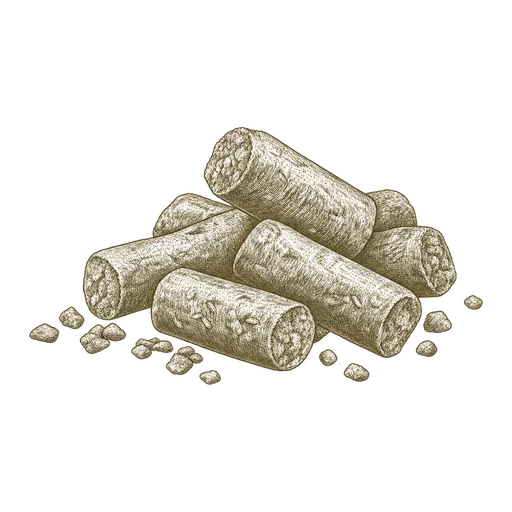
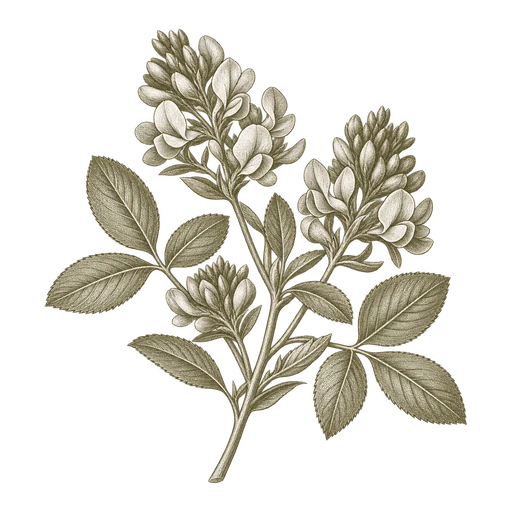
Alfalfa is a forage legume sourced as hay, silage, meal or pellets for livestock feed. Match the form to receiving and ration needs, then compare a lot-specific analysis on a consistent basis.
Explore ingredientPrepare a bulk durum wheat order by aligning product form, quantity, destination and timing with your facility’s receiving equipment and storage capacity.
A durum order is easier to receive when the product, shipment unit and destination are settled before arranging delivery. Durum is a wheat grain used in food processing, including pasta milling. For a bulk purchase, specify whether you need whole grain or another form, the quantity and unit, the delivery location, and the timing your operation can accommodate.
Receiving capability matters as much as the requested quantity. A facility set up for loose grain may not be prepared for a packaged shipment, and the reverse may also be true. Match the offer’s packaging and unloading method to your equipment, available labor and storage space rather than assuming a particular shipment format.
State the product form and the unit used to express quantity. This helps distinguish the amount needed from how the shipment will be presented and handled. If a specification, grade or other quality requirement is important to your operation, identify it separately from form and volume; those details answer different questions.
Include the delivery destination and a usable timing window. Receiving teams may need to coordinate staffing, dock or pit access, storage space and production schedules. Mention site-specific constraints such as access limitations, appointment procedures, operating hours or a maximum receiving capacity when they affect how a delivery can be accepted.
If more than one facility could receive the order, name the intended location for each quantity. A destination affects the delivery plan and commercial quote, while a quantity without a destination may not give a broker enough context to discuss the proposed shipment.
Before committing to a shipment plan, establish how the offered durum will arrive and how it will be unloaded. The available packaging and transport arrangements depend on the actual offer; do not assume that a specific bulk, bagged or other format is available. Describe the receiving equipment and process at your site so the proposed arrangement can be assessed against them.
Consider the complete path from arrival to storage: where a vehicle can stop, how product moves into the facility, whether staff or equipment are needed, and whether the receiving point can accommodate the planned quantity. If your site cannot accept a particular format or unloading arrangement, raise that constraint early. Resolving it after a shipment is scheduled can create avoidable delays or handling problems.
Durum grain should be kept protected from moisture and from contamination during storage and handling. Prepare a clean, dry receiving and storage area, and make sure it can hold the planned quantity without interfering with other materials or routine operations. Keep the handling route clear so the grain can move into its designated storage location.
Storage instructions should fit the actual product and the facility. Do not infer a shelf life, storage limit or special handling requirement from the word “durum” alone. Ask for instructions applicable to the offered product, and compare them with the conditions your site can maintain. If your facility has limits on storage space, environmental controls or separation from other ingredients, include those in the order discussion.
Before requesting a quote, assemble the product form, required quantity and unit, destination, preferred timing, packaging or receiving method, and relevant facility constraints. Add any quality requirements that matter to your use and clarify what information is needed to assess them. This gives the broker a concrete basis for discussing the offer and its delivery arrangement.
For a complete product and sourcing overview, visit the [Durum ingredient page](/ingredients/durum). Confirm packaging, unloading arrangements, storage instructions and other commercial details for the specific offer; they are not established by the ingredient name alone.
Specify the product form, quantity and unit, delivery destination, timing, preferred packaging or receiving method, and any facility constraints that affect unloading or storage. State quality requirements separately if they matter to your operation.
Not necessarily. Receiving depends on the actual offer and your site's equipment, access, labor and storage setup. Compare the proposed packaging and unloading arrangement with what your facility can handle before finalizing the order.
Protect the grain from moisture and contamination, and keep it in a clean, dry area suited to the quantity and product received. Follow storage instructions specific to the offered product and your facility rather than assuming a shelf life or storage limit.
The requested quantity, destination, timing and shipment arrangement all help define the order. Packaging, unloading needs and site constraints can also affect what arrangement is workable. Confirm the commercial terms for the specific offer.
Focused guides to the specification, application, and delivery questions behind this ingredient.
Protein basis, kernel vitreousness and semolina tests describe different aspects of durum wheat quality. Understand what each measure can—and cannot—tell you before comparing lots for pasta milling.
Read this InsightU.S. durum grade describes grain condition under official grading factors, while subclass classifies the proportion of hard, vitreous kernels. Mill buyers need both context and separate, lot-relevant analyses to build a complete milling specification.
Read this InsightAlfalfa is a forage legume sourced as hay, silage, meal or pellets for livestock feed. Match the form to receiving and ration needs, then compare a lot-specific analysis on a consistent basis.
Explore ingredientAlfalfa meal is ground forage used in animal feed, with sun-cured and dehydrated processing routes and meal or pellet forms. Compare the offered process, physical form and analysis against the needs of the species and feed formulation.
Explore ingredientAlfalfa pellets are ground, compressed forage used in livestock feeding and compound feeds. Compare the drying process, alfalfa material, forage analysis and pellet characteristics to choose a form that fits your ration and receiving setup.
Explore ingredientBeet pulp pellets are a dried, compacted sugar beet co-product used as a fibrous, energy-bearing ingredient in livestock feed. Compare molasses status, lot analysis and pellet handling needs to match the product to your ration and receiving setup.
Explore ingredient