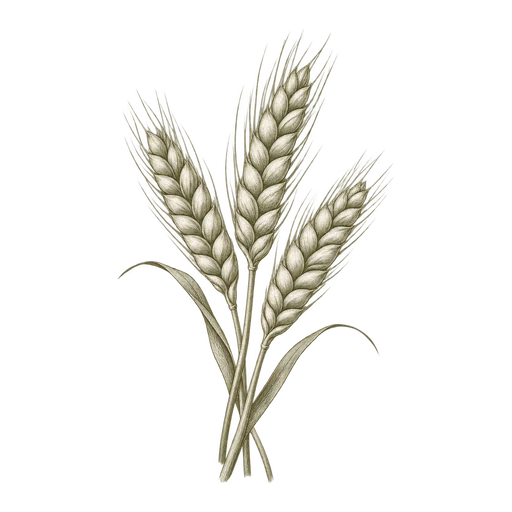
Feed Ingredients
Durum
Durum is a hard, amber-grained wheat used chiefly for semolina and pasta production. Compare grain form, class or subclass, grade and milling-related analyses when defining a bulk requirement.
Explore ingredientMilling grains is a focused collection for grain intended for food milling. Its current member is durum wheat, a distinct wheat class used to produce semolina and flour. Buyers should distinguish whole grain from milled products and match lot data to their milling process rather than treating a grain grade as a guarantee of finished-product performance.
Durum is a hard, amber-grained wheat used chiefly for semolina and pasta production. Compare grain form, class or subclass, grade and milling-related analyses when defining a bulk requirement.
Explore ingredientMilling grains covers grain intended for processing into food ingredients. This collection currently has one member: durum wheat. It is a specific wheat class, not a broad selection of different grain types, so buyers comparing milling options should treat this page as a starting point rather than a cross-grain comparison.
Durum grain is milled into semolina or flour. Semolina is a granular product made from durum endosperm and is commonly used for pasta. Whole durum grain, semolina and durum flour are distinct purchase forms; a specification for one should not be assumed to describe another.
For whole grain, establish the applicable grade and, where relevant, durum subclass. U.S. subclasses distinguish grain by the proportion of hard, vitreous amber kernels. Grade factors such as test weight, damaged kernels and foreign material help describe a lot, but do not by themselves guarantee a particular milling yield or finished pasta performance.
Request results with their measurement basis and sampling details, especially for moisture and protein. If milling performance matters, ask whether relevant semolina or end-use test results are available. Bulk receiving plans should also account for moisture, fines, aeration and the intended storage period; these affect how grain is handled after delivery.
No. Durum is the wheat grain; semolina is a granular product milled from durum endosperm.
No. Grade describes defined grain characteristics, but does not by itself establish milling yield or suitability for a specific pasta process. Ask for end-use-relevant test information when needed.
State whether you need whole grain, semolina or flour. For grain, include relevant grade or subclass, moisture, protein basis, test weight, defects, foreign material and sampling details. Add milling or end-use tests if they matter to your process.
Confirm measured moisture, handling and cleaning practices, fines, aeration conditions and expected storage duration. Storage recommendations depend on grain condition and the receiving environment.
Focused guides to the specification, application, and delivery questions behind this ingredient.
Prepare a bulk durum wheat order by aligning product form, quantity, destination and timing with your facility’s receiving equipment and storage capacity.
Read this InsightProtein basis, kernel vitreousness and semolina tests describe different aspects of durum wheat quality. Understand what each measure can—and cannot—tell you before comparing lots for pasta milling.
Read this InsightU.S. durum grade describes grain condition under official grading factors, while subclass classifies the proportion of hard, vitreous kernels. Mill buyers need both context and separate, lot-relevant analyses to build a complete milling specification.
Read this Insight