Grains
Alfalfa
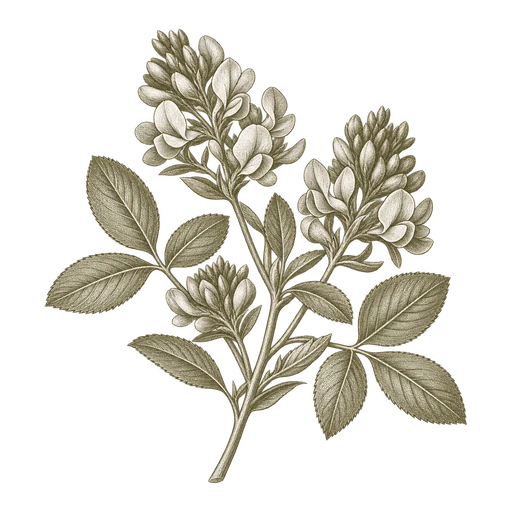
Alfalfa is a forage legume sourced as hay, silage, meal or pellets for livestock feed. Match the form to receiving and ration needs, then compare a lot-specific analysis on a consistent basis.
Explore ingredientU.S. durum grade describes grain condition under official grading factors, while subclass classifies the proportion of hard, vitreous kernels. Mill buyers need both context and separate, lot-relevant analyses to build a complete milling specification.
A U.S. durum wheat grade summarizes how a lot measures against official grading factors. The subclass classifies the durum by the proportion of hard, vitreous kernels. Grade and subclass are related parts of a formal description, but they are not interchangeable: grade addresses overall grain condition under the standard, while subclass focuses on a particular kernel characteristic.
For a mill buyer, the practical distinction is that neither label tells the whole story. A grade can help screen lots for condition, and a subclass can indicate kernel vitreousness. Neither, by itself, establishes how a lot will perform in a specific mill or finished product.
Wheat grading considers factors such as test weight, damaged kernels, foreign material, and shrunken and broken kernels. These measures describe physical condition and the amount of material that may affect handling, cleaning, or usable grain. The official numerical grade reflects the applicable grading rules and limits; a grade number is not a protein result or a complete milling analysis.
Read the grade as a structured condition classification, not a general quality score. Two lots in the same grade can differ in characteristics that matter to a mill, including protein, moisture, kernel uniformity, and processing behavior. Those characteristics need their own stated values or evaluation methods if they are important to the purchase.
Durum subclass is based on the proportion of hard, vitreous kernels, often described as kernel vitreousness. Vitreous kernels have a more translucent, glassy appearance than kernels with a more starchy or mealy interior. The subclass therefore provides information about kernel appearance and structure that the overall grade alone does not convey.
A subclass is not a guarantee of semolina yield, pasta color, gluten strength, or finished-product performance. Those outcomes depend on more than vitreousness, including other grain properties and the mill’s process. Nor should subclass be treated as a substitute for protein measurement: the two describe different characteristics, even when a buyer considers both during selection.
U.S. standards define the subclasses and the thresholds used to assign them. When comparing a grade notation or certificate, use the current applicable standard for exact subclass names and cutoffs rather than relying on an abbreviated trade description.
Start by identifying what the document actually certifies. An official inspection certificate may report grade and subclass for the sample or lot covered by that inspection. Check the product description, lot or sample identity, inspection date, reported factors, and the document’s stated scope. A document that reports a grade does not automatically include every test a mill needs.
The certificate’s value depends on its connection to the grain being offered. Confirm that the lot identifier and description correspond to the shipment under consideration, and note whether the document reports only official grading results or includes additional analyses. Do not assume that every supplier document uses the same sampling, testing, or reporting basis.
For a purchase specification, state grade and subclass separately, then list any additional requirements that affect your process. Depending on the intended product, that could include protein, moisture, kernel vitreousness results, or agreed milling and end-use measures. Specify the method or basis when it matters for comparing results.
Use grade and subclass as useful screening descriptors, not as a complete acceptance specification. A mill should connect each requested measure to a process decision: grade factors describe condition and cleanliness concerns; subclass provides a vitreous-kernel classification; separate analyses address characteristics the mill needs to control.
When evaluating bulk Durum, compare documents on equal terms and decide which factors are acceptance limits, which are informational, and which require testing before or after delivery. The exact combination depends on the mill and product. Buyers defining those requirements can use the Durum ingredient page as the next step for sourcing discussions.
Not necessarily. Grade summarizes specified grain-condition factors under the applicable standard; it does not provide a complete milling performance result. Compare the grade with the separate analyses and process measures your mill requires.
No. Subclass classifies durum based on hard, vitreous kernels. Protein is a separate measurement and should be specified or reviewed independently when it matters to your milling or finished product.
Review the stated product and lot or sample identity, date, grade and subclass, reported factors, and the certificate’s scope. Make sure it corresponds to the grain being considered, and identify any additional analyses it does not report.
Focused guides to the specification, application, and delivery questions behind this ingredient.
Prepare a bulk durum wheat order by aligning product form, quantity, destination and timing with your facility’s receiving equipment and storage capacity.
Read this InsightProtein basis, kernel vitreousness and semolina tests describe different aspects of durum wheat quality. Understand what each measure can—and cannot—tell you before comparing lots for pasta milling.
Read this InsightAlfalfa is a forage legume sourced as hay, silage, meal or pellets for livestock feed. Match the form to receiving and ration needs, then compare a lot-specific analysis on a consistent basis.
Explore ingredientAlfalfa meal is ground forage used in animal feed, with sun-cured and dehydrated processing routes and meal or pellet forms. Compare the offered process, physical form and analysis against the needs of the species and feed formulation.
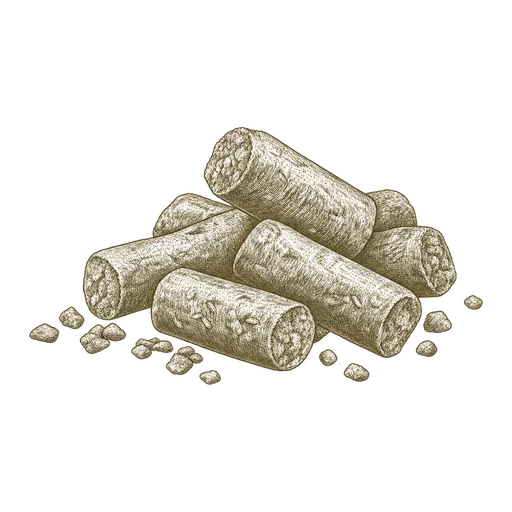
Explore ingredientAlfalfa pellets are ground, compressed forage used in livestock feeding and compound feeds. Compare the drying process, alfalfa material, forage analysis and pellet characteristics to choose a form that fits your ration and receiving setup.
Explore ingredientBeet pulp pellets are a dried, compacted sugar beet co-product used as a fibrous, energy-bearing ingredient in livestock feed. Compare molasses status, lot analysis and pellet handling needs to match the product to your ration and receiving setup.
Explore ingredient