Grains
Alfalfa
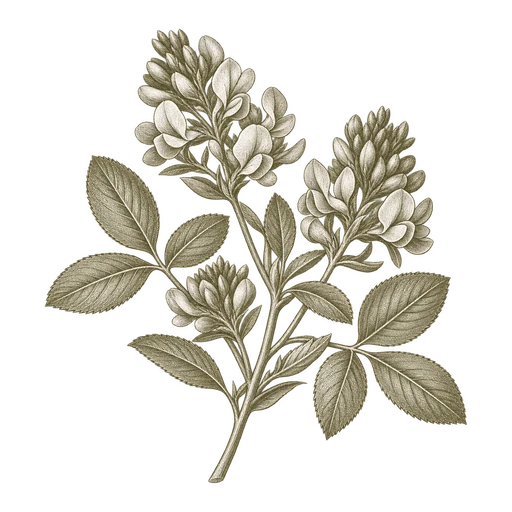
Alfalfa is a forage legume sourced as hay, silage, meal or pellets for livestock feed. Match the form to receiving and ration needs, then compare a lot-specific analysis on a consistent basis.
Explore ingredientPlan a cottonseed meal delivery around the offered form, your facility’s receiving equipment, and dry storage. Specify quantity, destination, timing, packaging needs, and unloading constraints before requesting a quote.
A useful receiving plan begins by naming the physical product, not just the ingredient. Cottonseed meal is generally a ground cottonseed-processing co-product. Cottonseed cake is more compact, with a pressed or chunk-like form. Processing and supplier terminology can differ, so do not assume that “meal” and “cake” describe interchangeable material or handling behavior.
That distinction affects how a load can be received and moved. Ground meal may be handled as a loose material or in packages, depending on the offer. Cake’s larger pieces may call for different transfer or feeding equipment. Before arranging a delivery, ask the supplier to identify the offered form and describe its physical presentation clearly enough for your receiving team to assess compatibility.
State the quantity and unit your operation uses, such as a weight unit or number of packages, and make clear whether the requested quantity refers to cottonseed meal or cake. Include the complete delivery destination and the timing you need. These details let a broker evaluate the request against the actual offer and help prevent mismatches between the amount ordered and the facility’s ability to receive it.
Timing should reflect more than a preferred arrival date. Consider when storage space will be clear, when staff and unloading equipment will be available, and how quickly the material can be transferred into protected storage. If the facility has receiving-hour limits or needs an appointment, include that information at the outset. Any available delivery schedule and commercial terms depend on the specific offer.
Packaging and unloading are one connected decision. Describe whether your facility receives packaged ingredients or is set up to accept loose bulk material, then identify the equipment and transfer route available at the delivery point. For packaged product, consider how packages will be moved from the receiving area into storage and how operators will access them for use. For loose material, describe the receiving system and any constraints on where or how material can be discharged.
Do not infer the packaging from the ingredient name. Ask what packaging is included in the specific offer, how the product is presented, and whether the proposed arrangement is compatible with your dock, equipment, and storage. If cake is offered instead of meal, consider whether its particle size and form can pass through your handling and feed systems as intended.
Cottonseed meal is a dry feed ingredient, but it still needs protection from moisture and contamination. Keep the receiving and storage area dry, clean, and appropriate for feed ingredients. Prevent exposure to rain, leaks, damp floors, and other sources of water during unloading and storage. Wet or contaminated material can spoil and may become unsuitable for its intended use.
Plan where the ingredient will go before the delivery arrives. Make sure there is enough usable space for the requested amount, and that staff can transfer it without exposing it unnecessarily to dampness or other materials. Follow the handling and storage directions supplied for the specific product; do not assume a shelf life or storage limit from the ingredient name alone.
Before requesting a quote, bring together the product form, quantity and unit, destination, requested timing, packaging preference or receiving method, and any access or unloading constraints. Include relevant quality requirements when they affect acceptance at your facility. This is especially useful when the distinction between meal and cake matters to your handling or feed process.
For buyers ready to source, the <a href="/ingredients/cottonseed-meal">Cottonseed Meal page</a> is the next step. Use it to begin a sourcing request with a delivery requirement your broker can evaluate. Confirm the offered form, packaging, handling directions, and delivery terms for the specific order before scheduling receipt.
Not necessarily. Meal is generally ground, while cake is more compact or chunk-like. Their physical forms can affect transfer and unloading, so identify the exact offered form and compare it with your facility’s equipment.
Specify meal or cake, quantity and unit, destination, requested timing, packaging or receiving method, and any unloading or access constraints. Include relevant quality requirements if they affect whether your facility can accept the product.
Protect it from moisture and contamination in a clean, dry storage area. Plan the transfer into storage before delivery and follow the handling directions provided for the specific product; storage limits and shelf life should not be assumed.
Focused guides to the specification, application, and delivery questions behind this ingredient.
Poultry nutritionists evaluating cottonseed meal need to look beyond crude protein. Gossypol measurement, amino-acid availability, processing and the intended poultry ration all shape whether a specific product fits.
Read this InsightCompare cottonseed meal analyses on a consistent protein basis, evaluate free gossypol as a separate measured specification, and distinguish lot results from typical values and guarantees.
Read this InsightAlfalfa is a forage legume sourced as hay, silage, meal or pellets for livestock feed. Match the form to receiving and ration needs, then compare a lot-specific analysis on a consistent basis.
Explore ingredientAlfalfa meal is ground forage used in animal feed, with sun-cured and dehydrated processing routes and meal or pellet forms. Compare the offered process, physical form and analysis against the needs of the species and feed formulation.
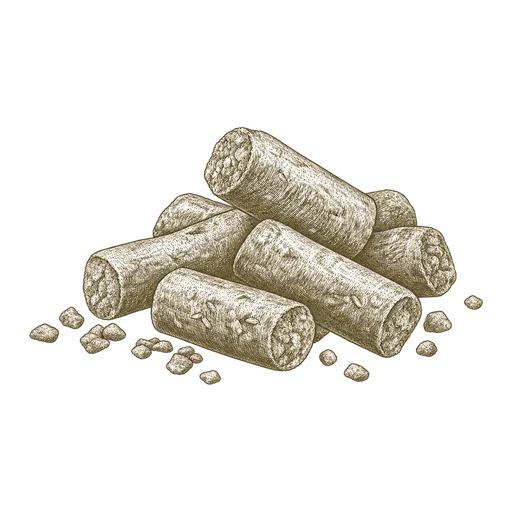
Explore ingredientAlfalfa pellets are ground, compressed forage used in livestock feeding and compound feeds. Compare the drying process, alfalfa material, forage analysis and pellet characteristics to choose a form that fits your ration and receiving setup.
Explore ingredientBeet pulp pellets are a dried, compacted sugar beet co-product used as a fibrous, energy-bearing ingredient in livestock feed. Compare molasses status, lot analysis and pellet handling needs to match the product to your ration and receiving setup.
Explore ingredient