Grains
Alfalfa
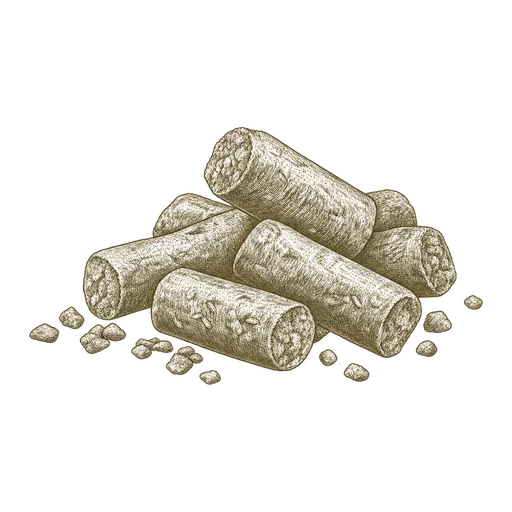
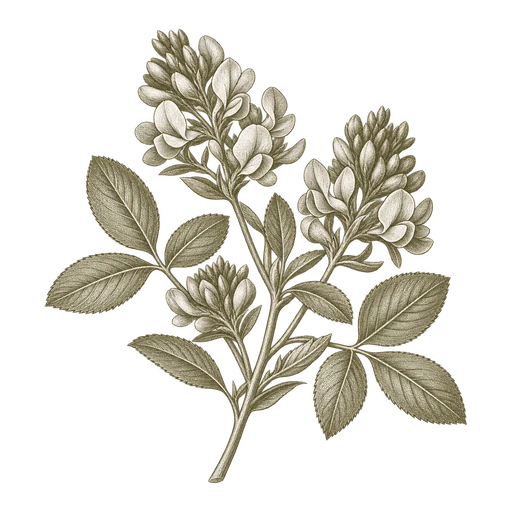
Alfalfa is a forage legume sourced as hay, silage, meal or pellets for livestock feed. Match the form to receiving and ration needs, then compare a lot-specific analysis on a consistent basis.
Explore ingredientCompare cottonseed meal analyses on a consistent protein basis, evaluate free gossypol as a separate measured specification, and distinguish lot results from typical values and guarantees.
Crude protein on an as-fed basis describes the nutrient content in the meal as received, including its moisture. A dry-matter value removes the effect of moisture, making it easier to compare the nutrient concentration of meals with different moisture results. The two figures are not directly comparable until they are expressed on the same basis.
To convert an as-fed crude protein result to a dry-matter basis, divide the as-fed protein percentage by the dry-matter fraction. Dry matter is 100% minus the moisture percentage; express it as a fraction for the calculation. For example, if moisture is reported as a percentage, the dry-matter fraction is (100 − moisture percentage) ÷ 100. State the basis beside every value in your comparison so a reformulation decision is not based on a difference caused only by moisture.
If an offer provides protein without identifying the basis, ask which basis applies before comparing it with your formulation target or another supplier’s analysis. Also check whether the result is crude protein and whether the reported value belongs to a specific lot.
Free gossypol is not another name for crude protein, nor can a general description of processing tell you its measured level. Cottonseed contains gossypol, and processing affects how much remains in a free form. A statement such as “processed” or a description of the meal-making method does not substitute for a free-gossypol result.
Review free gossypol as its own reported characteristic. Check the units, analytical method, sample or lot identification, and whether the result is an actual lot analysis, a typical value, or a stated guarantee. These terms have different meanings: a typical value describes an expected profile, while a guarantee is a supplier commitment under its stated conditions. Do not infer a guarantee from a representative or historical analysis.
Whether a result is acceptable depends on the intended formulation and applicable requirements. Use the actual offered value and its method in that evaluation; there is no single universal threshold to apply to every use.
Moisture provides the context for as-fed nutrient values and helps buyers assess the product as received. Fiber helps characterize the meal and can affect how a nutritionist evaluates its place in a ration. Compare the reported fiber measure by its exact name and method rather than treating different fiber measures as interchangeable.
Residual oil indicates how much oil remains after processing and can help distinguish meal profiles. Ash represents the mineral residue after combustion; it is useful as part of the overall composition review, but it does not identify individual minerals. Together, these results add context to protein and free gossypol rather than replacing either one.
Compare like with like: the same named measure, units, analytical basis where relevant, and compatible test methods. If methods differ or are not identified, avoid treating small differences as meaningful until the laboratory basis is clarified.
A useful lot-analysis review begins with the lot identity and sample date, then checks the listed measurements, units, methods, and reporting basis. Confirm that the analysis is tied to the material being offered, not simply presented as an example of a typical cottonseed meal profile.
Record whether each number is a measured result, a typical value, or a guaranteed specification. Ask what the guarantee applies to and how it is assessed if that distinction is not clear. Do not assume that a result from one lot predicts another lot, or that a value stated on one basis can be used unchanged on another.
For a practical comparison, place moisture, crude protein and its basis, free gossypol, fiber measure, residual oil, and ash in one table. Add the method and status of each value. That format makes it easier for a nutritionist or quality team to spot missing context before comparing offers.
Before evaluating a bulk offer, align the analysis with the intended use and the specifications your nutrition or quality team actually needs. Share those requirements, including the required protein basis and how free gossypol must be reported, so the offered lot can be assessed on comparable terms.
For buyers sourcing against a defined quality profile, the [Cottonseed Meal](/ingredients/cottonseed-meal) page is the next step for exploring the ingredient and its sourcing options. Confirm the specific lot analysis and commercial terms for any offer before making a purchase decision.
Convert the as-fed crude protein value to a dry-matter basis using the reported moisture, or convert both results to the same basis. Do not compare percentages directly until the basis is aligned.
No. Processing can affect free gossypol, but a general process description does not quantify the amount in a particular lot. Review a separate result with its units, method, and lot context.
No. A typical value describes an expected profile; a guarantee is a stated commitment under the supplier’s conditions. Identify which applies to every value and whether the analysis corresponds to the offered lot.
Focused guides to the specification, application, and delivery questions behind this ingredient.
Plan a cottonseed meal delivery around the offered form, your facility’s receiving equipment, and dry storage. Specify quantity, destination, timing, packaging needs, and unloading constraints before requesting a quote.
Read this InsightPoultry nutritionists evaluating cottonseed meal need to look beyond crude protein. Gossypol measurement, amino-acid availability, processing and the intended poultry ration all shape whether a specific product fits.
Read this InsightAlfalfa is a forage legume sourced as hay, silage, meal or pellets for livestock feed. Match the form to receiving and ration needs, then compare a lot-specific analysis on a consistent basis.
Explore ingredientAlfalfa meal is ground forage used in animal feed, with sun-cured and dehydrated processing routes and meal or pellet forms. Compare the offered process, physical form and analysis against the needs of the species and feed formulation.
Explore ingredientAlfalfa pellets are ground, compressed forage used in livestock feeding and compound feeds. Compare the drying process, alfalfa material, forage analysis and pellet characteristics to choose a form that fits your ration and receiving setup.
Explore ingredientBeet pulp pellets are a dried, compacted sugar beet co-product used as a fibrous, energy-bearing ingredient in livestock feed. Compare molasses status, lot analysis and pellet handling needs to match the product to your ration and receiving setup.
Explore ingredient