Grains
Alfalfa
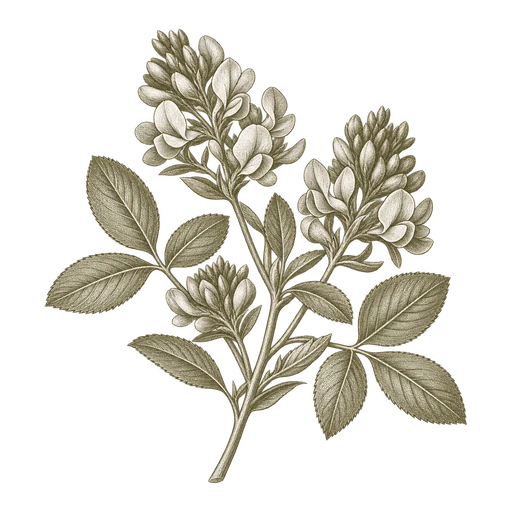
Alfalfa is a forage legume sourced as hay, silage, meal or pellets for livestock feed. Match the form to receiving and ration needs, then compare a lot-specific analysis on a consistent basis.
Explore ingredientA practical receiving and storage guide for corn gluten feed pellets, focused on gravity-fed flow, unloading compatibility and moisture management around metal storage equipment.
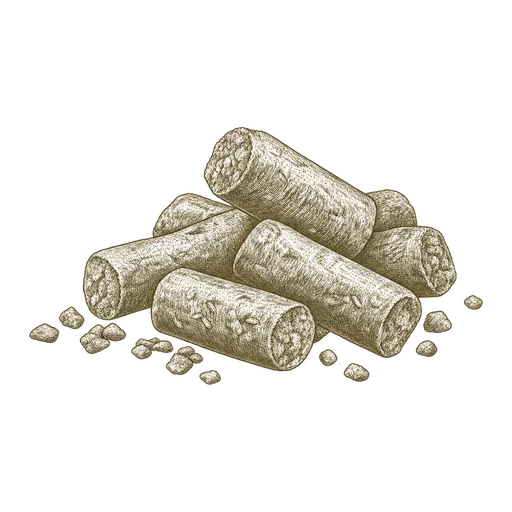
Corn gluten feed pellets are a processed corn co-product supplied in a compact physical form for feed use. When planning a bulk order, the practical question is whether the pellets can move through the entire receiving path: unloading equipment, conveying equipment, storage vessel and discharge system. A facility designed around another feed ingredient may not handle pellets in the same way.
Map the route from the unloading point to the storage bin before finalizing an order. Note the equipment type, transfer points, elevations, openings and any capacity constraints. Share those details alongside the quantity, delivery location and timing needed so the proposed shipment can be assessed against the site’s actual setup.
Pellets can move differently depending on their size and uniformity, the amount of fines, and how the material has been handled. Fines may settle or collect during transfer; a changing particle mix can affect flow through gates and chutes. Material that is compacted or exposed to moisture may also become harder to discharge consistently.
In a gravity-fed system, bridging occurs when material forms a stable obstruction instead of flowing through an outlet. The risk depends on both the material and the vessel: outlet dimensions, wall shape and surface, discharge arrangement, and how the bin is filled all matter. Do not assume that a pellet will flow simply because it is granular or has moved freely in another facility.
Before receiving, review the bin and outlet with the people responsible for feed handling. Ask what physical characteristics of the offered pellets are relevant to the system, and whether the facility has experienced hang-ups with similar materials. Avoid relying on improvised methods to clear a blockage; follow the site’s established procedures.
Unloading compatibility is a site-specific decision. The delivery arrangement must match the facility’s unloading point, transfer equipment and staffing, while the receiving system must be able to move material without creating avoidable delays or spill points. Packaging and delivery format are supplier-dependent, so establish what is actually being offered before treating any handling assumption as settled.
Prepare a concise receiving description for the quote: the unloading method your site can accept, the destination storage location, any access or scheduling constraints, and the equipment used to transfer pellets after unloading. If the facility cannot receive a particular format or requires a specific connection or discharge arrangement, state that early. These details help determine whether an offer can be received as planned; they do not imply that a particular transport or packaging option is available.
Keep corn gluten feed pellets dry during receiving and storage. Water entering through an open hatch, leaking roof or poorly sealed connection can dampen material locally, encourage caking and interfere with flow. Moisture can also accumulate through condensation on metal surfaces when temperature conditions cause water to form inside the equipment.
Inspect the bin, roof, access points, seals and discharge area before filling. After loading, keep openings closed as designed and check for signs of water entry or damp material during routine site inspections. Pay particular attention to metal surfaces and areas where moisture could collect, rather than assuming that a covered vessel is automatically dry.
Storage duration and suitable conditions depend on the specific product and facility. Do not infer a shelf life or storage limit from the pellet form alone. Obtain handling guidance for the offered material and compare it with the site’s storage conditions and operating plan.
A useful receiving plan connects product, equipment and timing. Specify that the order is for corn gluten feed pellets, state the quantity and unit, identify the destination, and describe the unloading and storage arrangements. Include any quality or handling requirements that affect whether the pellets can enter the existing feed process.
The key pre-delivery checks are straightforward: confirm the physical form and relevant product details; make sure unloading and conveying equipment suit the receiving setup; inspect storage equipment for water-entry and condensation risks; and agree on who will oversee receiving. For buyers preparing an order, the [corn gluten feed pellets page](/ingredients/corn-gluten-feed-pellets) is the next step for product information and sourcing.
They can present a flow problem if material characteristics and bin design combine to obstruct discharge. Pellet uniformity, fines, compaction, moisture, outlet dimensions and vessel geometry can all matter; assess the offered product with the actual receiving system.
Check that the unloading arrangement matches the site’s equipment and access, and that conveyors, transfer points and storage capacity are ready. Share any equipment or scheduling constraints before the order is arranged.
Keep the material dry and inspect the vessel for leaks, open connections and condensation risks on metal surfaces. Obtain handling guidance for the specific offer; pellet form alone does not establish a storage duration or limit.
Focused guides to the specification, application, and delivery questions behind this ingredient.
Corn gluten feed pellets contribute energy, protein and digestible fiber, unlike a primarily starch-based grain ingredient. Their role in beef and dairy rations depends on lot analysis, forage level and the balance of the complete diet.
Read this InsightCompare corn gluten feed pellet analyses on a consistent moisture basis, and read each nutrient measure for the distinct formulation question it answers. A reference value is not a substitute for the offered lot’s COA.
Read this InsightAlfalfa is a forage legume sourced as hay, silage, meal or pellets for livestock feed. Match the form to receiving and ration needs, then compare a lot-specific analysis on a consistent basis.
Explore ingredientAlfalfa meal is ground forage used in animal feed, with sun-cured and dehydrated processing routes and meal or pellet forms. Compare the offered process, physical form and analysis against the needs of the species and feed formulation.
Explore ingredientAlfalfa pellets are ground, compressed forage used in livestock feeding and compound feeds. Compare the drying process, alfalfa material, forage analysis and pellet characteristics to choose a form that fits your ration and receiving setup.
Explore ingredientBeet pulp pellets are a dried, compacted sugar beet co-product used as a fibrous, energy-bearing ingredient in livestock feed. Compare molasses status, lot analysis and pellet handling needs to match the product to your ration and receiving setup.
Explore ingredient