Grains
Alfalfa
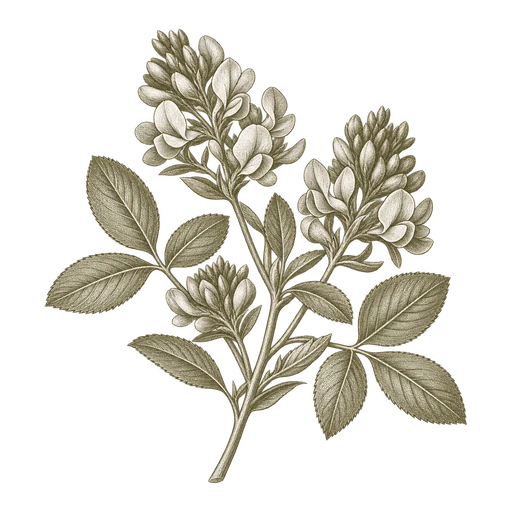
Alfalfa is a forage legume sourced as hay, silage, meal or pellets for livestock feed. Match the form to receiving and ration needs, then compare a lot-specific analysis on a consistent basis.
Explore ingredientCompare corn gluten feed pellet analyses on a consistent moisture basis, and read each nutrient measure for the distinct formulation question it answers. A reference value is not a substitute for the offered lot’s COA.
A nutrient percentage is incomplete unless you know whether it is reported as-fed or on a dry-matter basis. As-fed values describe the product in the condition it is received, including its moisture. Dry-matter values remove the effect of moisture, making them useful for comparing ingredients with different moisture contents.
For a direct comparison, use the same basis for every ingredient and every value being compared. If an analysis reports both moisture and a nutrient as-fed, the dry-matter percentage is calculated by dividing the nutrient percentage by the dry-matter fraction. The dry-matter fraction is one minus the moisture fraction, with both expressed as decimals. To compare a dry-matter value with an as-fed value, convert them to a common basis before using them in a ration calculation.
This distinction also affects how a delivered load contributes to the ration. An as-fed quantity includes water; a dry-matter quantity does not. When reviewing corn gluten feed pellets, first establish the basis for moisture and each nutrient rather than assuming all figures on a report use the same convention.
Crude protein is a broad measure used to compare the protein contribution of feed ingredients. It does not, by itself, describe protein availability or replace the full ration’s protein evaluation. A nutritionist needs to know the reported basis and how the value fits alongside the other ingredients.
“Fiber” is not one interchangeable measurement. Crude fiber, neutral detergent fiber (NDF) and acid detergent fiber (ADF) use different analytical definitions and describe different parts of the feed’s fiber profile. NDF and ADF results can inform different assessments of fiber, so a report should name the method or measure rather than provide an unexplained single fiber figure. Compare like with like, and use the measures relevant to the species and ration being formulated.
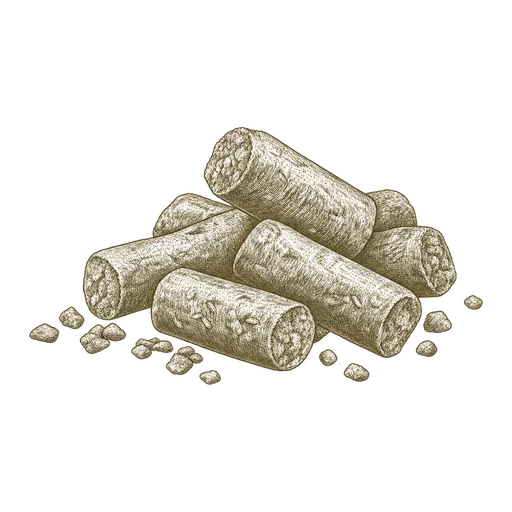
Pelleting describes physical form, not nutrient composition. A pellet can make the product easier to meter or blend than loose material, but appearance alone cannot establish its protein or fiber values. Use the analysis for composition and the product description for form.
Crude fat indicates the measured fat component and contributes information about the ingredient’s energy-bearing components. It is not a complete energy value: energy evaluation also depends on how the ration is digested and on the method used to estimate or determine energy.
Ash is the inorganic residue remaining after a sample is burned. It helps describe the mineral fraction, but a total ash value does not identify individual minerals. Where mineral balance matters, total ash alone cannot answer which minerals are present or in what amounts.
Starch is a separate carbohydrate measure. Its level can help a formulator understand the ingredient’s carbohydrate profile alongside fiber and other nutrients. A starch result does not replace an energy estimate, and it should not be inferred from the product name or pellet appearance.
Energy figures can look directly comparable while representing different calculations or biological endpoints. An analysis may report an energy estimate derived from other composition values, or a value determined using a particular method. The name of the energy measure and its basis matter; an unlabeled “energy” number is not enough to compare offers responsibly.
When energy drives the formulation decision, ask which measure is reported, whether it is as-fed or dry matter, and how it was established. Use values that match the formulation system and animal class under consideration. Avoid comparing one supplier’s energy figure with another’s until their measures and bases are clear.
Reference or typical values can help with preliminary formulation, but they are not a guarantee of the composition of a particular shipment. The offered lot’s certificate of analysis (COA), when available, is the relevant document for reviewing that lot. Check that it identifies the product and lot, lists units and analysis basis, and names the measures being reported.
Sampling details matter because the laboratory can only analyze the sample it receives. Review how and when the sample was collected, whether it represents the lot being offered, and which analytical methods were used. If those details are absent or unclear, the reported number may be difficult to interpret or compare.
For a bulk purchase, align the analysis with the formulation decision: specify the nutrient measures that matter, request the basis for each, and distinguish a reference specification from results tied to the offered lot. For product forms and sourcing details, see the Corn Gluten Feed Pellets page; include your required analysis measures when arranging an inquiry.
As-fed values include the product’s moisture; dry-matter values express the nutrient share after moisture is removed. Convert both results to the same basis before comparing ingredients or using them in a ration calculation.
No. A typical or reference value is not the analysis of a specific offered lot. Use the lot-specific COA, and review its product and lot identification, units, analysis basis, sampling details and methods.
Only if they report the same fiber measure and basis. Crude fiber, NDF and ADF are different measures; compare the same named measure on the same as-fed or dry-matter basis.
Focused guides to the specification, application, and delivery questions behind this ingredient.
A practical receiving and storage guide for corn gluten feed pellets, focused on gravity-fed flow, unloading compatibility and moisture management around metal storage equipment.
Read this InsightCorn gluten feed pellets contribute energy, protein and digestible fiber, unlike a primarily starch-based grain ingredient. Their role in beef and dairy rations depends on lot analysis, forage level and the balance of the complete diet.
Read this InsightAlfalfa is a forage legume sourced as hay, silage, meal or pellets for livestock feed. Match the form to receiving and ration needs, then compare a lot-specific analysis on a consistent basis.
Explore ingredientAlfalfa meal is ground forage used in animal feed, with sun-cured and dehydrated processing routes and meal or pellet forms. Compare the offered process, physical form and analysis against the needs of the species and feed formulation.
Explore ingredientAlfalfa pellets are ground, compressed forage used in livestock feeding and compound feeds. Compare the drying process, alfalfa material, forage analysis and pellet characteristics to choose a form that fits your ration and receiving setup.
Explore ingredientBeet pulp pellets are a dried, compacted sugar beet co-product used as a fibrous, energy-bearing ingredient in livestock feed. Compare molasses status, lot analysis and pellet handling needs to match the product to your ration and receiving setup.
Explore ingredient