Grains
Alfalfa
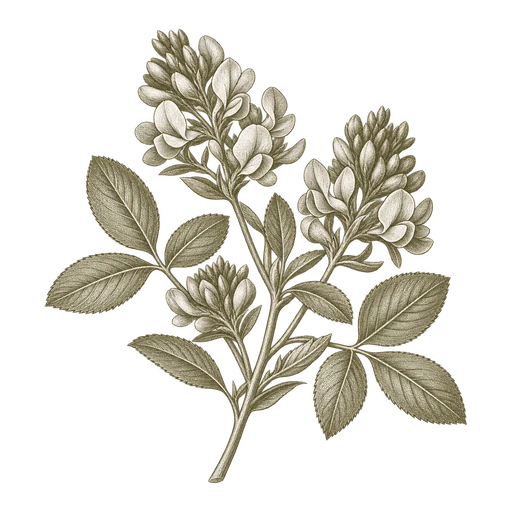
Alfalfa is a forage legume sourced as hay, silage, meal or pellets for livestock feed. Match the form to receiving and ration needs, then compare a lot-specific analysis on a consistent basis.
Explore ingredientCorn gluten feed pellets contribute energy, protein and digestible fiber, unlike a primarily starch-based grain ingredient. Their role in beef and dairy rations depends on lot analysis, forage level and the balance of the complete diet.
Corn gluten feed (CGF) is a corn-milling co-product used in cattle rations. It contributes energy, protein and digestible fiber, so its role is different from that of a primarily starch-based grain such as corn grain. Grain can supply concentrated starch; CGF brings a different blend of nutrients, with more fiber and protein relative to its starch contribution.
That distinction matters when a ration is being balanced. CGF is not simply a one-for-one replacement for grain: changing its share can change the ration’s starch, protein and fiber profile at the same time. Its energy value also depends on the composition of the specific product and how the rest of the ration is formulated. Forage, other concentrates and the animal’s production stage all affect the role it can play.
The fiber in CGF can contribute usable energy to cattle, but it does not replace the physical function of forage. Forage supplies particle structure that supports chewing and rumen function; processed feed co-products do not provide the same long, physically effective material. A ration with substantial forage therefore presents a different formulation context from one with a low forage level, even when both include CGF.
In beef diets, the balance among forage, grain and co-products can shift with the production phase and ration objective. In dairy diets, the formulation also has to account for the cow’s stage of lactation and the complete balance of fiber, starch, protein and energy. In both settings, the practical question is not just whether CGF fits, but what nutrients it contributes alongside the other ingredients.
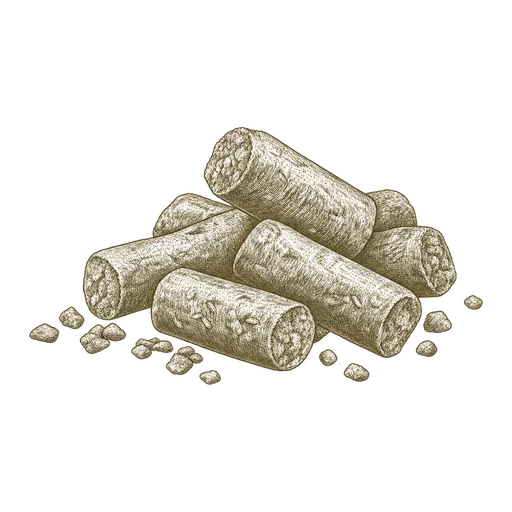
Pellet form makes CGF a processed, consolidated ingredient rather than loose, unpelleted material. That physical form can affect how a feed operation stores, conveys and incorporates the ingredient. Pellet appearance alone, however, does not establish its nutrient value or make two offers nutritionally interchangeable.
Corn co-products can differ in composition with processing and lot. When comparing corn gluten feed pellets, review the offered analysis for measures relevant to the ration, such as protein, fiber, starch, fat, ash and moisture. Use the stated basis—such as as-fed or dry matter—when comparing results, because values on different bases are not directly comparable. The analysis should describe the actual offer being considered, not a generic expectation for the ingredient.
A nutritionist can assess CGF against the existing ration’s forage level, starch sources, protein supply and other ingredients. The same CGF analysis can have different implications in two diets if their forage and grain contributions differ. For dairy cattle, the full ration and production context matter; for beef cattle, the relevant forage and concentrate balance depends on the production phase and feeding program.
Avoid deciding on a substitution from a single nutrient figure or a general description of CGF. Compare the lot’s analysis with the ingredients it would displace or complement, and have a qualified nutritionist determine whether a change maintains the intended ration balance. This article does not prescribe inclusion rates or promise a production response.
For a useful comparison, specify that the requirement is pelleted corn gluten feed and share the intended quantity, delivery location and receiving method. Ask for the analysis basis and the lot-specific values needed by the nutritionist; confirm that the analysis corresponds to the offered product. Packaging and delivery arrangements should also suit the facility’s storage and unloading setup.
The next step is to compare an actual offer with the ration plan, rather than treating all CGF as identical. Visit the [Corn Gluten Feed Pellets](/ingredients/corn-gluten-feed-pellets) page when sourcing the ingredient, and have a cattle nutritionist review the offered analysis before making a formulation change.
Not as a direct, one-for-one substitution. Corn grain is primarily a starch source, while CGF contributes a different mix of energy, protein and digestible fiber. Any substitution changes the ration’s nutrient balance and should be evaluated using the offered analysis and the complete ration.
No. CGF fiber can contribute digestible energy, but it does not supply the same physical structure as forage. Forage level remains an important part of ration formulation for both beef and dairy cattle.
Review the measures relevant to the ration, including protein, fiber, starch, fat, ash and moisture where provided, and note whether results are reported as-fed or on a dry-matter basis. Values should represent the lot being offered so the nutritionist can compare it with the rest of the diet.
Focused guides to the specification, application, and delivery questions behind this ingredient.
A practical receiving and storage guide for corn gluten feed pellets, focused on gravity-fed flow, unloading compatibility and moisture management around metal storage equipment.
Read this InsightCompare corn gluten feed pellet analyses on a consistent moisture basis, and read each nutrient measure for the distinct formulation question it answers. A reference value is not a substitute for the offered lot’s COA.
Read this InsightAlfalfa is a forage legume sourced as hay, silage, meal or pellets for livestock feed. Match the form to receiving and ration needs, then compare a lot-specific analysis on a consistent basis.
Explore ingredientAlfalfa meal is ground forage used in animal feed, with sun-cured and dehydrated processing routes and meal or pellet forms. Compare the offered process, physical form and analysis against the needs of the species and feed formulation.
Explore ingredientAlfalfa pellets are ground, compressed forage used in livestock feeding and compound feeds. Compare the drying process, alfalfa material, forage analysis and pellet characteristics to choose a form that fits your ration and receiving setup.
Explore ingredientBeet pulp pellets are a dried, compacted sugar beet co-product used as a fibrous, energy-bearing ingredient in livestock feed. Compare molasses status, lot analysis and pellet handling needs to match the product to your ration and receiving setup.
Explore ingredient