Grains
Alfalfa
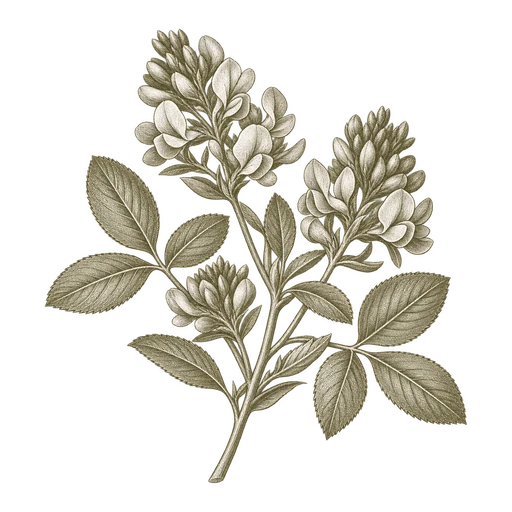
Alfalfa is a forage legume sourced as hay, silage, meal or pellets for livestock feed. Match the form to receiving and ration needs, then compare a lot-specific analysis on a consistent basis.
Explore ingredientPrepare a clear flour order around the product description, quantity, destination, receiving setup and packaging details. Plan to keep the flour dry and protected from contamination, and obtain storage guidance for the specific offer.
A clear flour order is easier to quote and receive when the product description and delivery plan are specific. Start with the grade or product description required by your formula, then state the quantity and unit you use for purchasing, the delivery destination and the timing your bakery can accept. If your production schedule depends on a particular lot or product specification, identify that before arranging the order.
The delivery format must fit the receiving point, not just the amount of flour needed. Describe whether your site can receive bulk material or needs packaged product, and explain any access, unloading or appointment constraints. A bakery with a flour-handling system has different requirements from one that receives and moves packages manually. Sharing those details early helps prevent a mismatch between the order and the equipment available at the facility.
For a sourcing request, include the clear flour product page along with your intended use and order details. A broker can then work from a defined request rather than guessing which product description, unit or delivery arrangement your operation needs.
Packaging affects how flour is unloaded, moved into storage and introduced to production. Before choosing an offered format, check what your bakery can handle at the receiving point: the type of unloading connection or equipment, available storage capacity, package movement requirements and any restrictions on where a delivery can be placed. These are facility-specific considerations; packaging options for clear flour should be obtained for the offered product rather than assumed.
Also consider the path from receiving to use. A package that can be stored but cannot be handled efficiently by your staff or equipment may slow production. Conversely, a bulk receiving arrangement requires compatible equipment and a suitable storage location. Give the supplier or broker a clear description of your setup and ask for packaging details for the specific offer so you can compare them with your actual process.
Confirm how the quantity is expressed on the quote and how it relates to your receiving capacity. Keep the requested unit consistent when discussing the order, delivery and inventory plan. If your facility uses a different unit internally, state both units so that purchasing and receiving teams are working from the same quantity.
Flour is a dry, finely milled ingredient, so storage planning should protect it from moisture and contamination. Discuss how the product will remain covered and dry during delivery, unloading and storage, and how your receiving area prevents exposure to water, debris or other materials. A clean, dry receiving area and a suitable, protected storage location help preserve the ingredient’s condition before it reaches the production line.
Ask what storage conditions and handling guidance apply to the specific clear flour offered. Do not assume a universal storage limit or shelf life: those details depend on the offered product and its packaging and should be provided for the lot. Plan inventory rotation using the information supplied for that product, and make sure receiving staff can identify the product and keep it separate from materials that could contaminate it.
The practical control is a continuous one: protect the flour when it arrives, keep the storage area clean and dry, and avoid handling practices that expose the ingredient to moisture or foreign material. Your facility’s food-safety and housekeeping procedures should determine the specific controls used at each transfer point.
Before finalizing an order, align purchasing, receiving and production on the product description, quantity, unit, destination and acceptable delivery timing. Make sure the receiving team knows the expected packaging and has the equipment, space and access needed to unload it. If the site has delivery windows or other constraints, communicate them as part of the request rather than after the shipment is arranged.
Request the offered product’s packaging information and applicable storage guidance, including any stated shelf-life details. These are lot- or offer-specific commercial details, not universal properties of clear flour. If your operation needs a particular quality specification or supporting document, name it clearly and explain the reason, such as matching an established bakery formula or internal receiving procedure.
Once those points are defined, use the Clear Flour page to submit a sourcing request with your order quantity, destination, timing and receiving setup. Availability, packaging, delivery arrangements and commercial terms depend on the individual offer and need to be established for your order.
Specify the clear flour description or grade you need, quantity and unit, delivery destination, timing, packaging preference and receiving constraints. Include any quality requirements that matter to your formula or receiving process.
No. Packaging, storage guidance and shelf-life details should be obtained for the specific product offered. They are not established universally for every clear flour order.
Make sure the receiving area and equipment match the offered packaging and unloading method. Plan to keep the ingredient protected from moisture and contamination during unloading and storage, and give the supplier or broker any site access or scheduling constraints.
Focused guides to the specification, application, and delivery questions behind this ingredient.
Clear flour can bring a darker wheat-flour component to rye bread formulas. Compare grade and lot details, then test dough handling and finished loaves in your bakery’s process.
Read this InsightCompare clear flour by separating the milling-grade label from the lot’s ash and protein results. Reporting basis, analytical method, and intended baking function all matter.
Read this InsightAlfalfa is a forage legume sourced as hay, silage, meal or pellets for livestock feed. Match the form to receiving and ration needs, then compare a lot-specific analysis on a consistent basis.
Explore ingredientAlfalfa meal is ground forage used in animal feed, with sun-cured and dehydrated processing routes and meal or pellet forms. Compare the offered process, physical form and analysis against the needs of the species and feed formulation.
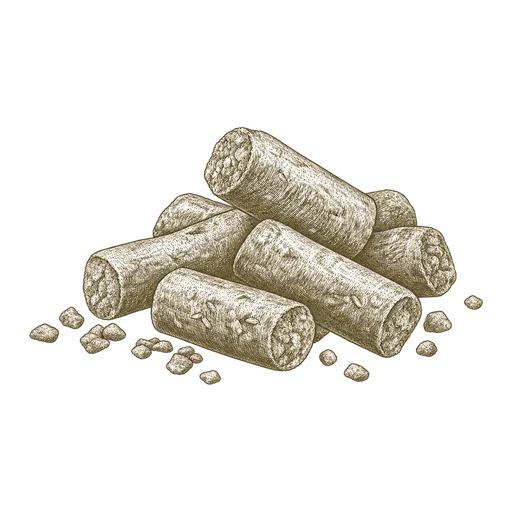
Explore ingredientAlfalfa pellets are ground, compressed forage used in livestock feeding and compound feeds. Compare the drying process, alfalfa material, forage analysis and pellet characteristics to choose a form that fits your ration and receiving setup.
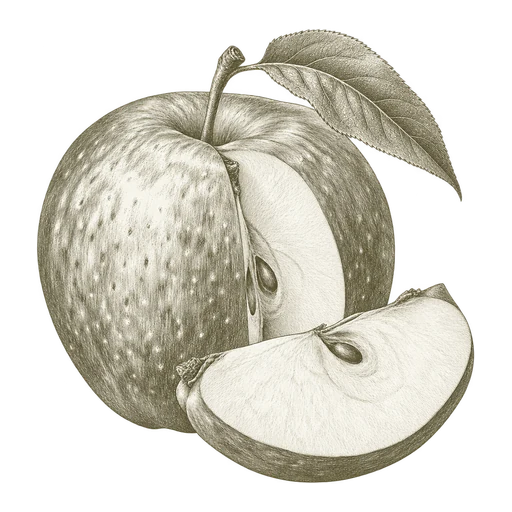
Explore ingredientApple pomace is an apple-pressing residue used in ruminant feed. Wet, dried and ensiled forms differ in moisture and preservation, so compare the actual form and lot analysis when assessing its role in a ration and planning bulk handling.
Explore ingredient