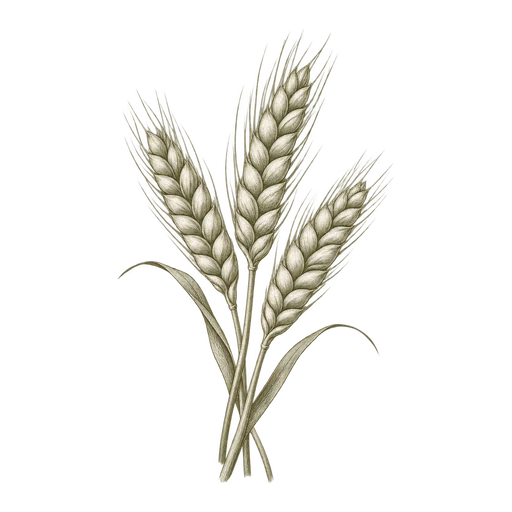
Clear Flour
Clear flour is a darker wheat-milling flour stream used in baking, especially darker breads. Compare first- or second-clear grade, lot analysis and application performance to choose flour that fits your process.
Explore ingredientThe Wheat flour collection currently contains one supplied member, Clear Flour. This wheat-milling grade differs from patent flour and is used in some baking applications. Buyers should verify its grade, intended use, quality measurements and bulk-handling details for their process.
Clear flour is a darker wheat-milling flour stream used in baking, especially darker breads. Compare first- or second-clear grade, lot analysis and application performance to choose flour that fits your process.
Explore ingredientThis Wheat flour tag currently groups one supplied ingredient: Clear Flour. It is a human-food baking ingredient, not a general listing of every wheat flour grade. In roller milling, clear flour comes from streams remaining after higher-grade patent flour is separated.
Clear flour is generally darker and higher in ash and protein than patent flour. “Clear” names a milling grade; it does not mean pale or transparent. First and second clear are distinct grades, so the ingredient name alone does not identify which one a lot represents.
Clear flour is used in some rye and wheat breads, where its grayish color may be less noticeable. Its fit depends on the recipe and the flour’s actual characteristics. Protein quantity alone does not guarantee dough strength: gluten composition and application-specific performance matter too.
For a bulk purchase, check the stated grade and intended application, then compare protein, ash, moisture and particle size using clearly identified methods and reporting bases. Depending on the product, wet-gluten, falling-number or baking tests may also be relevant; choose criteria for your process rather than assuming universal targets.
For bulk formats, include conveying equipment, bin condition, sanitation and pest-control practices in the receiving plan. Ask for current storage, packaging and transport guidance, and review lot documentation alongside the specification. Confirm wheat-allergen and cross-contact information for the intended market.
No. They come from different milling streams. Clear flour is generally darker and higher in ash and protein than patent flour.
No. Confirm the specific grade on the lot specification; the member name alone does not establish it.
No. Protein quantity is only one factor; gluten composition and performance in the intended recipe also matter.
Check the grade, intended use, protein, ash, moisture and particle-size methods, plus any application-relevant functional tests and lot documentation.
Focused guides to the specification, application, and delivery questions behind this ingredient.
Prepare a clear flour order around the product description, quantity, destination, receiving setup and packaging details. Plan to keep the flour dry and protected from contamination, and obtain storage guidance for the specific offer.
Read this InsightClear flour can bring a darker wheat-flour component to rye bread formulas. Compare grade and lot details, then test dough handling and finished loaves in your bakery’s process.
Read this InsightCompare clear flour by separating the milling-grade label from the lot’s ash and protein results. Reporting basis, analytical method, and intended baking function all matter.
Read this Insight