Grains
Alfalfa
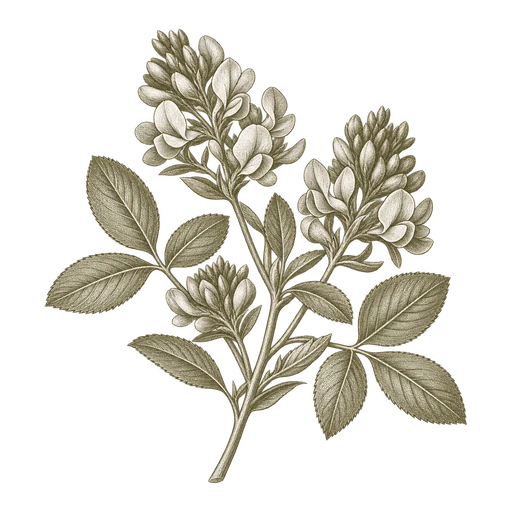
Alfalfa is a forage legume sourced as hay, silage, meal or pellets for livestock feed. Match the form to receiving and ration needs, then compare a lot-specific analysis on a consistent basis.
Explore ingredientClear flour can bring a darker wheat-flour component to rye bread formulas. Compare grade and lot details, then test dough handling and finished loaves in your bakery’s process.
Clear flour is a wheat flour milled from portions of the wheat kernel left after the more refined patent flour has been separated. It generally has a darker color and higher mineral content than patent flour. In rye bread, that darker character can complement the color of rye flour and help create a more deeply colored crumb.
Clear flour remains wheat flour; it does not supply rye’s distinctive flavor. Its role is to contribute wheat flour structure and color within a formula that also contains rye flour. The balance depends on the particular flours and the bakery’s process, so its use is a formulation choice—not a guarantee of a specific shade, flavor, or loaf volume.
Clear flour is not a single uniform specification. Milling grade and the wheat used can affect color, ash, protein characteristics, and how the flour behaves in dough. Two offers described as clear flour may therefore differ in ways that matter to a bakery, even when both are intended for breadmaking.
Ash is a measure related to the mineral content of flour and can help distinguish extraction or milling grades. Protein quantity alone does not describe dough strength or handling: the wheat and milling characteristics also matter. When comparing offers, review the stated grade and the supplier’s available analysis rather than assuming that the product name predicts performance.
Test clear flour in the actual rye formula and production process. During mixing, note water absorption and whether the dough reaches the consistency your equipment and operators can handle. During fermentation and makeup, observe dough strength, extensibility, stickiness, and how easily it holds its shape. These observations show whether a flour’s behavior fits the bakery’s workflow.
After baking, compare crumb color and uniformity, loaf shape, volume, texture, and the flavor balance with the bakery’s target. Keep the rye flour, process conditions, and other formula variables consistent when comparing a clear flour test with the current flour. Otherwise, it becomes difficult to tell which change caused a difference.
Rye flour and wheat flour contribute differently to dough structure, and rye-heavy doughs can behave differently from wheat-dominant doughs. A result from one formula or production line should not be treated as a universal outcome. Establish the bakery’s own acceptance criteria before deciding whether a lot is suitable.
For a useful comparison, establish the exact clear flour grade and request the available lot analysis. Depending on the offer, relevant details may include ash, protein, moisture, and any stated functional or baking measures. Ask what methods or basis apply to reported results where that information is needed for a meaningful comparison.
Also verify the flour’s physical form, packaging, lot identification, and whether the offered product matches the grade used in a successful test. If the flour will be blended or fed through automated equipment, particle consistency and handling characteristics can matter to the plant as well as to the formula. Commercial details such as quantity, delivery timing, and freight depend on the particular offer and destination.
A bakery considering clear flour for rye bread should define what success means before testing: the desired crumb color, dough handling, finished-loaf characteristics, and acceptable production behavior. Record those observations alongside the lot identity and analysis so a later purchase can be compared against the flour actually tested.
When ready to source clear flour for a controlled trial or a larger requirement, start with the [clear flour ingredient page](/ingredients/clear-flour). Specify the grade and test objective, then compare the offered lot details with the results your bakery needs to reproduce.
No. Clear flour is wheat flour. It can contribute wheat-flour structure and a darker color, while rye flour supplies the rye character. The finished flavor depends on the full formula and process.
Not by a predictable amount. Clear flour is generally darker than patent flour, but the finished crumb color depends on the specific grade and lot, the rye flour, and the rest of the formula and process. Test the flour in the bakery’s own recipe.
Compare the stated grade and available lot analysis, then assess dough handling and finished-loaf characteristics in a controlled trial. Color, ash, protein, moisture, and any relevant functional measures can help describe an offer, but bakery testing shows how it performs in the intended formula.
Focused guides to the specification, application, and delivery questions behind this ingredient.
Prepare a clear flour order around the product description, quantity, destination, receiving setup and packaging details. Plan to keep the flour dry and protected from contamination, and obtain storage guidance for the specific offer.
Read this InsightCompare clear flour by separating the milling-grade label from the lot’s ash and protein results. Reporting basis, analytical method, and intended baking function all matter.
Read this InsightAlfalfa is a forage legume sourced as hay, silage, meal or pellets for livestock feed. Match the form to receiving and ration needs, then compare a lot-specific analysis on a consistent basis.
Explore ingredientAlfalfa meal is ground forage used in animal feed, with sun-cured and dehydrated processing routes and meal or pellet forms. Compare the offered process, physical form and analysis against the needs of the species and feed formulation.
Explore ingredientAlfalfa pellets are ground, compressed forage used in livestock feeding and compound feeds. Compare the drying process, alfalfa material, forage analysis and pellet characteristics to choose a form that fits your ration and receiving setup.
Explore ingredientApple pomace is an apple-pressing residue used in ruminant feed. Wet, dried and ensiled forms differ in moisture and preservation, so compare the actual form and lot analysis when assessing its role in a ration and planning bulk handling.
Explore ingredient