Human-food wheat flourFirst and second clear gradesDarker than patent flour
Ingredient intelligence · quote-ready sourcing
Clear FlourBulk sourcing
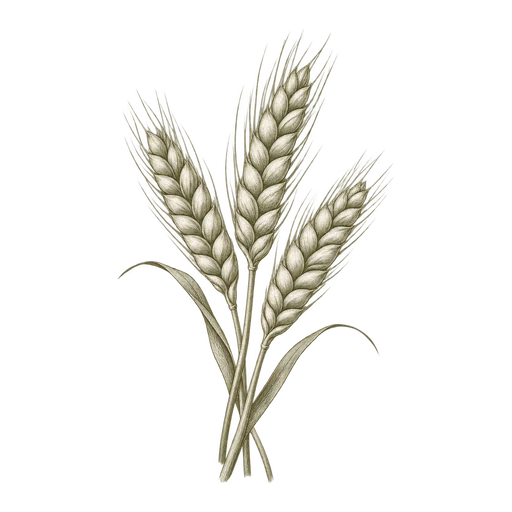
Clear flour is a darker wheat-milling flour stream used in baking, especially darker breads. Compare first- or second-clear grade, lot analysis and application performance to choose flour that fits your process.
Clear flour is the wheat flour stream remaining after patent flour is separated in conventional roller milling. Its exact composition depends on the mill’s separation and grading practices.
02
It is generally darker and higher in ash than patent flour, reflecting more outer-endosperm material and, in some flour, fine bran particles. First clear and second clear are distinct milling grades; neither name alone guarantees a particular lot analysis or baking result.
A distinct milling stream
Clear flour is separated after patent flour, so it differs in refinement, color and composition. That distinction helps a bakery assess whether the stream fits a darker product rather than assuming it will behave like patent bread flour.
Ash helps compare refinement
Ash can indicate differences in mineral-rich outer-kernel material and is useful for comparing flour lots when the reporting basis is clear. It does not, on its own, establish baking performance.
Protein is not a performance guarantee
Clear flour can have more protein than patent flour, but protein quantity alone does not show how well its gluten performs. Recipe-specific dough or finished-product evaluation gives a more relevant view for a bakery process.
SPECIFICATIONS
Clear Flour specifications.
Lot measures and why they matter
Characteristic
Why it matters
Ash and reporting basis
Helps compare mineral-rich outer-kernel material and flour refinement; the basis must be consistent.
Protein and reporting basis
Useful for comparing lots, but not a stand-alone prediction of gluten performance.
Moisture
A lot measure relevant to assessing the flour and its handling.
Color and particle size
May matter when appearance or downstream process consistency is important.
Dough or finished-product test
Connects flour performance to the bakery’s actual formula and process.
These are comparison measures, not guaranteed specifications for an offered lot. Request the current analysis and identify the test basis.
Measures that help compare flour
Ash is a useful comparison measure because mineral-rich outer-kernel material contributes more ash than inner endosperm. It can help indicate differences in refinement or bran presence, but it is not a complete measure of baking quality. Compare ash only when the reporting basis is stated.
Protein and moisture are also relevant lot measures, and color and particle size can matter when visual appearance or process consistency is important. For baking decisions, dough or finished-product testing can be more informative than protein alone. The values and test methods need to come from the offered lot rather than being inferred from the grade name.
Baking uses
Clear flour is used in darker breads, including rye and wheat breads, where its darker color is less objectionable than it may be in a pale loaf. The flour’s color and milling grade can influence whether it fits a formula, while its baking behavior should be judged in the specific recipe and process.
A bakery considering a change from patent flour should evaluate more than protein content. Grade, color, ash, particle size and dough or finished-product results together give a more practical picture of how a lot fits the intended bake.
Buying clear flour in bulk
Specify first or second clear when that distinction matters to your process, and request the current lot analysis with its reporting basis. Also identify wheat source or class requirements, any treatment or enrichment status, and allergen documentation needed for your operation. These details help distinguish a suitable human-baking ingredient from a flour whose grade or processing is unclear.
Clear-flour-specific packaging, delivery formats and storage limits are not established here. Include your destination, receiving setup and timing in the request; packaging, freight, lot documentation and commercial terms depend on the offer.
APPLICATIONS
Common uses for clear flour.
01
Rye bread
Clear flour is used in rye breads, where its darker color can be less noticeable than in a pale loaf. The bakery should evaluate the grade and lot in its own formula rather than assume consistent performance from the name alone.
02
Darker wheat bread
Clear flour can be considered for darker wheat breads. Color, milling grade and dough behavior all affect the fit; protein content alone does not establish how the flour will perform.
03
Bakery flour blends
A bakery may evaluate clear flour as part of a flour blend when its color and baking characteristics suit the product. Blend proportions and performance need to be established in the intended formula.
ORDERING & DELIVERY
Clear Flour delivery.
POINT 01
Define the clear flour order
Identify first or second clear, quantity and units, destination, and required timing. Include the baking use and any grade or lot-analysis requirements so the requested flour can be compared against the intended process.
POINT 02
Plan receiving and packaging
State how the facility receives flour and what packaging or delivery arrangement it can handle. Receiving equipment and site constraints affect which offered shipment can be considered; packaging and delivery options depend on the offer.
POINT 03
Arrange storage and handling
Ask for the offered lot’s storage and handling guidance and consider the facility’s moisture and contamination controls. Clear-flour-specific storage limits are not established here, so do not infer a shelf life or storage condition from the grade name.
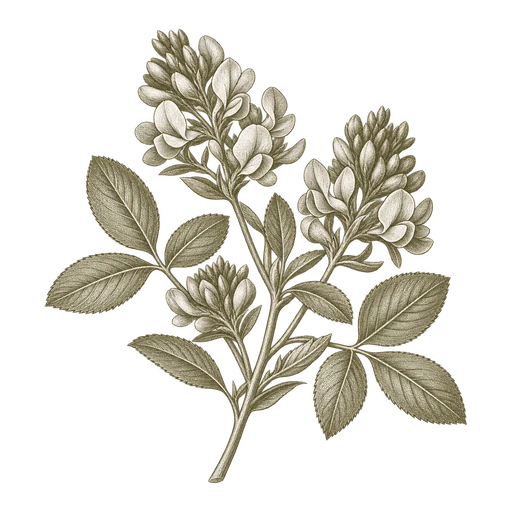
Alfalfa is a forage legume sourced as hay, silage, meal or pellets for livestock feed. Match the form to receiving and ration needs, then compare a lot-specific analysis on a consistent basis.
Alfalfa meal is ground forage used in animal feed, with sun-cured and dehydrated processing routes and meal or pellet forms. Compare the offered process, physical form and analysis against the needs of the species and feed formulation.
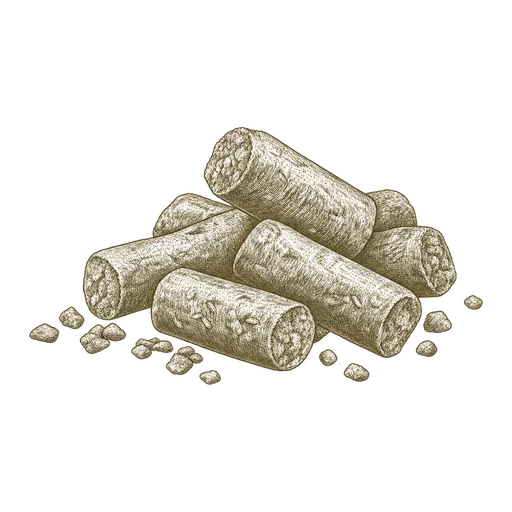
Alfalfa pellets are ground, compressed forage used in livestock feeding and compound feeds. Compare the drying process, alfalfa material, forage analysis and pellet characteristics to choose a form that fits your ration and receiving setup.
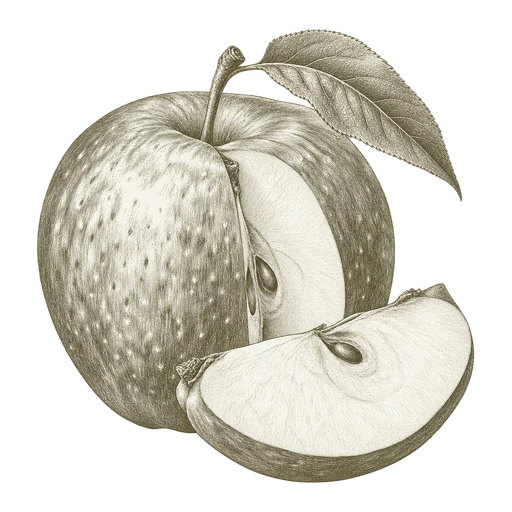
Apple pomace is an apple-pressing residue used in ruminant feed. Wet, dried and ensiled forms differ in moisture and preservation, so compare the actual form and lot analysis when assessing its role in a ration and planning bulk handling.
Clear flour is a human-food wheat flour stream remaining after patent flour is separated during roller milling. It is generally darker and higher in ash than patent flour.
What is the difference between first clear and second clear flour?+
They are milling grades, not universal chemical specifications. First clear retains baking qualities, while second clear is a lower-quality baking stream; the grade name does not guarantee particular analysis values or recipe performance.
What should a bakery compare when buying clear flour?+
Compare grade, ash and its reporting basis, protein, moisture, and any relevant color or particle-size measures. For a particular bread process, dough or finished-product testing can clarify performance beyond protein alone.
START WITH A CLEAR BRIEF
Ready to source clear flour?
Send your volume, destination, and key specifications. A broker can follow up with availability and commercial terms.