Grains
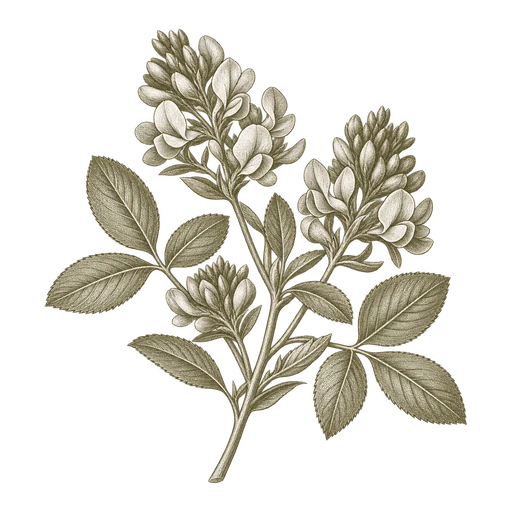
Alfalfa
Alfalfa is a forage legume sourced as hay, silage, meal or pellets for livestock feed. Match the form to receiving and ration needs, then compare a lot-specific analysis on a consistent basis.
Explore ingredientPlan bulk buckwheat receiving around the exact product form, the facility’s packaging and unloading capabilities, and clean, dry storage. Include quantity, destination and timing when arranging a delivery.
Receiving plans for buckwheat depend on what is being delivered. Whole seed, groats, flour and a milling by-product differ in particle size and physical form, so they may not suit the same packaging, unloading setup or storage space. Identify the product clearly before arranging a shipment; “buckwheat” alone does not tell a receiving team how material will arrive or move through the facility.
Whole seed and groats are distinct products, and neither should be treated as interchangeable with flour. Flour is a finer material, so containment and transfer arrangements matter in ways they may not for larger pieces. A milling by-product also needs a clear description: the name and form of the material determine how the facility can receive, store and use it. For product options and sourcing context, see the [buckwheat ingredient page](/ingredients/buckwheat).
Before requesting delivery, check what the site can physically receive. Confirm whether staff can handle the expected packaging and whether the unloading equipment, access route and available space are compatible. A facility set up to receive a particular type of package or bulk transfer may not be ready for a different arrangement. Do not assume a packaging format or transport option is available; state what your operation can accept and have the proposed arrangement matched to it.
For flour or other fine material, consider how the product will be contained during unloading and moved into storage without unnecessary spillage or airborne dust. For seed, groats or a by-product, consider whether the receiving equipment can move that particular form without disrupting the process. These are practical compatibility questions, not interchangeable details: the right plan depends on the product and the equipment at the receiving location.
Buckwheat products should be protected from moisture and kept in clean storage. Prepare the intended storage area before delivery, with a plan to keep the product contained and separated from sources of moisture or contamination. The specific setup depends on the form and package: a facility must be able to protect both the outer packaging and the ingredient during transfer and storage.
Pest prevention is part of routine dry-ingredient storage. Keep the storage area orderly, inspect it as part of normal facility practice and avoid leaving product or packaging exposed to conditions that invite contamination. Do not apply one storage assumption to every buckwheat form. The supplier’s product description and handling information should be considered alongside the receiving site’s own procedures; this guide does not establish a storage limit or shelf life.
Make sure the people receiving the order know which buckwheat form is expected, where it will be unloaded and who will check it on arrival. Compare the delivered product description and packaging with the order details, and note any visible damage or discrepancy through your normal receiving process. If your operation has particular cleanliness, segregation or quality requirements, communicate them before dispatch so the proposed product and arrangement can be evaluated against the facility’s needs.
Timing matters because receiving space and staff need to be available when the shipment arrives. Coordinate the requested delivery window with production needs, storage capacity and any limits on site access. These details help prevent a mismatch between arrival and the facility’s ability to unload or store the ingredient.
A useful request identifies the exact product form—whole seed, groats, flour or a named milling by-product—and the quantity with its unit. Include the destination, requested timing and the packaging or unloading arrangement your site can accept. Add relevant quality or handling requirements, such as a need to keep the product protected from moisture or segregated during receiving, so the proposed shipment can be considered in context.
Also describe practical receiving constraints: available unloading equipment, site access, storage readiness and any appointment or operating-hour requirements. These facts help connect the product to the actual facility rather than assuming that every delivery setup will work. Availability, packaging, timing and freight terms depend on the specific offer and destination and should be established for the requested order.
Specify the form—whole seed, groats, flour or a named milling by-product—plus quantity and unit, destination, requested timing, acceptable packaging and unloading method. Include site access, receiving hours and relevant storage or quality requirements.
Not necessarily. These forms differ physically, and the packaging, unloading equipment and containment needed at a facility may differ too. Match the plan to the exact product and the equipment available at the destination.
Keep the product in clean, dry storage, protect it from moisture and contamination, and include pest prevention in routine facility practices. Follow product-specific handling information and site procedures; storage limits and shelf life should not be assumed.
Focused guides to the specification, application, and delivery questions behind this ingredient.
Buckwheat’s form matters in poultry feed: intact seed, dehulled groats and hull-rich milling fractions can differ in composition and formulation relevance. Compare the actual lot, its analysis and the poultry context before deciding how it fits a ration.
Read this InsightA practical comparison of bulk buckwheat groats for food production, covering roasted status, moisture, kernel condition, hulls, odor and foreign material without inventing acceptance limits.
Read this InsightAlfalfa is a forage legume sourced as hay, silage, meal or pellets for livestock feed. Match the form to receiving and ration needs, then compare a lot-specific analysis on a consistent basis.
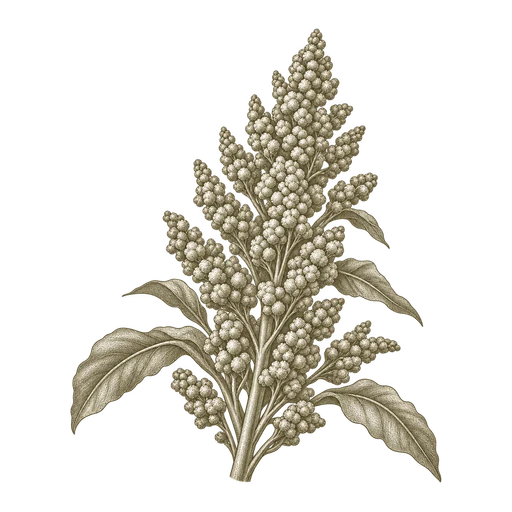
Explore ingredientAmaranth can be sourced as grain, leaf meal or whole-plant forage, and those forms are not interchangeable in feed formulation. Specify the plant material, species and processing method, then compare lot analysis suited to the intended animal and use.
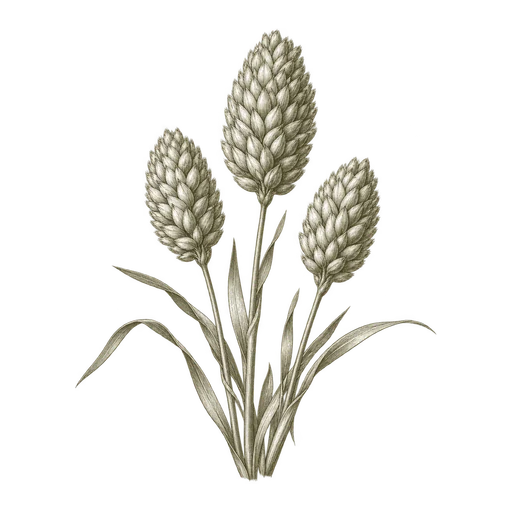
Explore ingredientCanary seed is a grass grain sourced mainly for bird-feed blends, with specific glabrous varieties also processed into food ingredients such as groats and flour. Identify the hull type, intended market and processing form before comparing bulk lots.
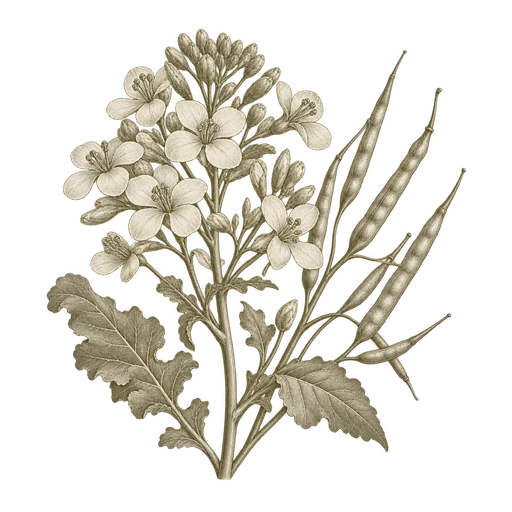
Explore ingredientCanola refers to seed and products including edible oil and feed meal. For bulk sourcing, identify the product and, for meal, compare processing, physical form and lot analysis to match the feed formulation and receiving setup.
Explore ingredient