Grains
Alfalfa
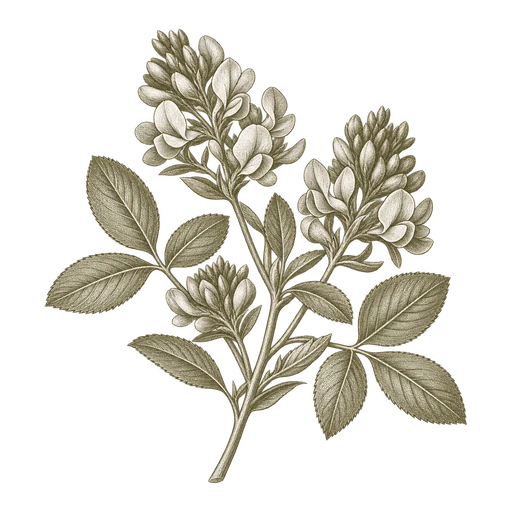
Alfalfa is a forage legume sourced as hay, silage, meal or pellets for livestock feed. Match the form to receiving and ration needs, then compare a lot-specific analysis on a consistent basis.
Explore ingredientA practical comparison of bulk buckwheat groats for food production, covering roasted status, moisture, kernel condition, hulls, odor and foreign material without inventing acceptance limits.
Buckwheat groats are the hulled kernels of buckwheat. For food production, first establish whether you need roasted or unroasted groats. Roasting changes the kernels’ color and flavor, so the two forms are not interchangeable when a product depends on a particular taste, appearance or processing behavior. State the required form explicitly rather than relying on a general description such as “buckwheat groats.”
This distinction also helps make incoming-lot comparisons meaningful: compare roasted with roasted and unroasted with unroasted. If both forms could work in your process, assess each against the intended recipe and finished-product characteristics before setting the purchasing specification.
Moisture is a practical storage and processing measure. A lot’s moisture can affect how it handles and keeps, so buyers should compare results on a consistent basis and define an acceptance limit suited to their product and storage plan. Do not assume a universal limit: the buyer’s specification should set the numerical requirement, and offered lot documentation should show the applicable result and measurement basis.
Inspect kernel condition as well as the overall appearance. Whole, broken, chipped or visibly damaged kernels can change the look and texture of the finished food, and the proportion of intact kernels may matter when groats are used visibly or sold as a distinct ingredient. For a product that will be milled or further processed, the same differences may have less importance. Specify the condition that matters to your process instead of treating every breakage difference as a defect.
Residual hulls are different from broken groats. Hulls are the hard outer coverings removed during groat production; their presence can affect appearance, texture and the amount of usable kernel in a food ingredient. The relevance depends on the end use. A visible whole-groat application may call for a different tolerance than a process that further sorts or grinds the material.
Foreign material is a separate cleanliness question. Buyers should identify the kinds of unwanted material relevant to their process and how they will evaluate them, rather than using a vague requirement for “clean” groats. Sampling and inspection procedures should be consistent between the buyer’s receiving check and any supplier-provided lot information. Numerical tolerances belong in the buyer’s written specification; do not infer them from a general product description.
Odor can help flag a lot that differs from the expected character of its roasted or unroasted form. A musty, stale or otherwise unexpected smell warrants attention because it can indicate an issue with the lot’s condition or storage history. Roasted groats naturally have a different sensory profile from unroasted ones, so comparisons should use the correct reference form.
A sensory check is useful but should not replace defined acceptance criteria or any testing required by your process. Describe the expected odor and the evaluation method in your quality plan, especially when small sensory differences could carry into a finished product. If the lot is assessed from a sample, ensure the sample represents the material being considered.
A practical specification identifies the form, then sets requirements for moisture, kernel condition, hulls, odor and foreign material according to the finished food and the buyer’s handling process. For each measure, define the acceptance limit, measurement or inspection basis, and the response if a lot does not meet the requirement. The right numerical limits depend on the application; they should come from the buyer’s own product and quality requirements, not an invented industry-wide tolerance.
When comparing offers, ask for information that corresponds to those requirements. Review the offered lot’s product description and available analysis or inspection details, checking that the roasted status and measurement basis are clear. Exact documentation and results depend on the offered lot. Buyers ready to source the ingredient can review the <a href="/ingredients/buckwheat">buckwheat page</a> and use these criteria to describe the groats their food process needs.
Not automatically. Roasting changes flavor and appearance, so choose the form that matches the finished food and compare lots of the same form.
Set the limit for your product and storage plan; there is no numerical tolerance provided here. Specify the measurement basis and compare it with the offered lot’s documented result.
Hulls are buckwheat’s outer coverings, while foreign material is other unwanted matter. They affect different quality considerations, so separate criteria make inspection and acceptance clearer.
Focused guides to the specification, application, and delivery questions behind this ingredient.
Plan bulk buckwheat receiving around the exact product form, the facility’s packaging and unloading capabilities, and clean, dry storage. Include quantity, destination and timing when arranging a delivery.
Read this InsightBuckwheat’s form matters in poultry feed: intact seed, dehulled groats and hull-rich milling fractions can differ in composition and formulation relevance. Compare the actual lot, its analysis and the poultry context before deciding how it fits a ration.
Read this InsightAlfalfa is a forage legume sourced as hay, silage, meal or pellets for livestock feed. Match the form to receiving and ration needs, then compare a lot-specific analysis on a consistent basis.
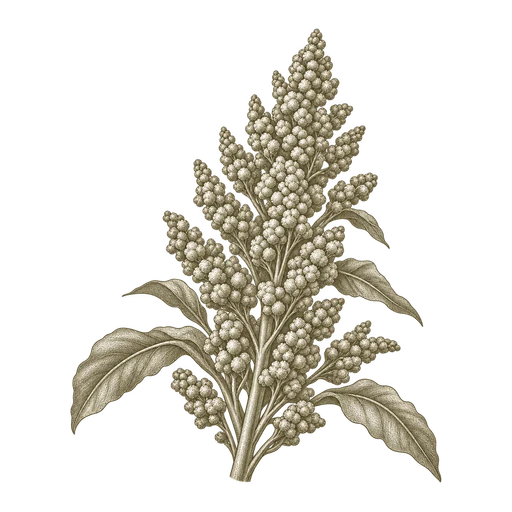
Explore ingredientAmaranth can be sourced as grain, leaf meal or whole-plant forage, and those forms are not interchangeable in feed formulation. Specify the plant material, species and processing method, then compare lot analysis suited to the intended animal and use.
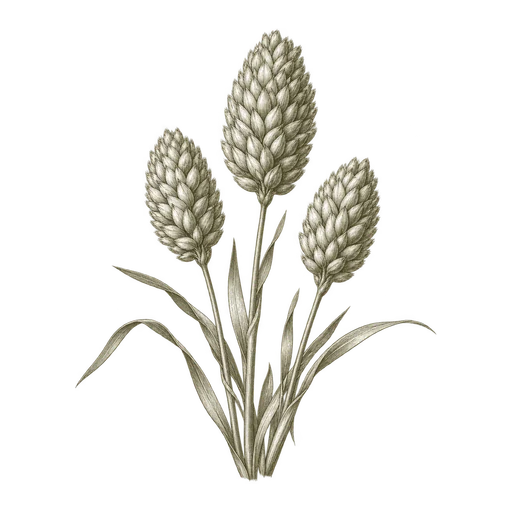
Explore ingredientCanary seed is a grass grain sourced mainly for bird-feed blends, with specific glabrous varieties also processed into food ingredients such as groats and flour. Identify the hull type, intended market and processing form before comparing bulk lots.
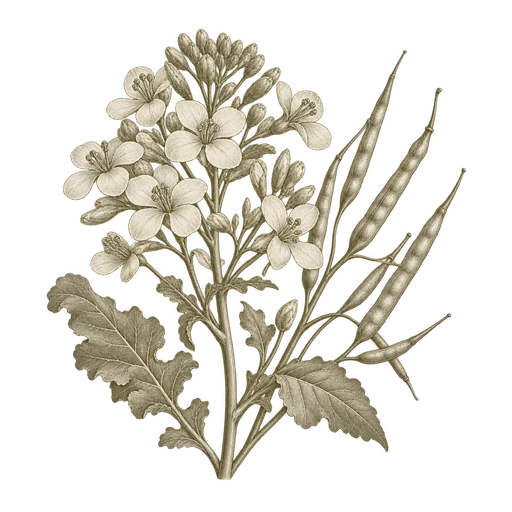
Explore ingredientCanola refers to seed and products including edible oil and feed meal. For bulk sourcing, identify the product and, for meal, compare processing, physical form and lot analysis to match the feed formulation and receiving setup.
Explore ingredient