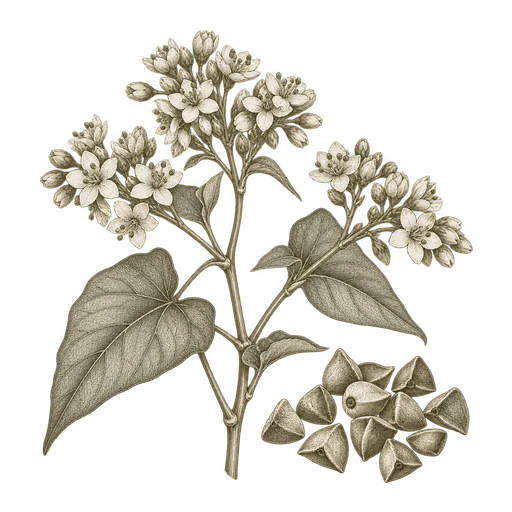
Buckwheat
Buckwheat is sourced as whole seed, dehulled groats, flour and milling by-products for food and feed uses. Choose the form and processing status for the intended use, and compare lot quality on a clearly stated basis.
Explore ingredientGrains and seeds is a practical sourcing collection featuring buckwheat and canary seed. They serve different uses and have distinct forms and quality considerations, so buyers should specify the intended application rather than treating the ingredients as substitutes.
Buckwheat is sourced as whole seed, dehulled groats, flour and milling by-products for food and feed uses. Choose the form and processing status for the intended use, and compare lot quality on a clearly stated basis.
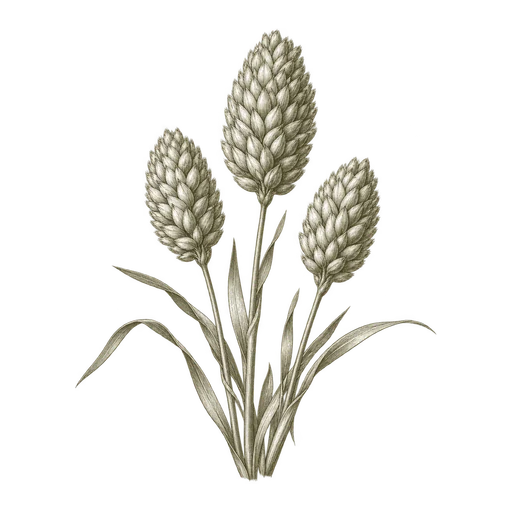
Explore ingredientCanary seed is a grass grain sourced mainly for bird-feed blends, with specific glabrous varieties also processed into food ingredients such as groats and flour. Identify the hull type, intended market and processing form before comparing bulk lots.
Explore ingredientThis collection brings together buckwheat and canary seed as related bulk sourcing options, not interchangeable grains. Buckwheat is not a true cereal grass. Buyers may encounter it for food or feed, in forms such as whole grain, groats and flour. Canary seed is a separate crop, Phalaris canariensis, commonly used in bird-feed mixtures.
For food applications, buckwheat flour does not provide the gluten functionality of wheat flour. Human-food uses described for canary seed concern dehulled, glabrous varieties; ordinary birdseed should not be assumed suitable for food use.
Start by naming the application and the form required: whole or hulled grain, groats, flour, or another processed form. For canary seed, clarify whether the seed is glabrous or has hull spicules, and whether it is hulled. These distinctions affect what the product is and whether it fits the intended process.
For feed purchases, identify the target species and request a lot-specific analysis for formulation. Buckwheat should not be treated as a complete or unrestricted feed ingredient; suitability depends on the ration and species.
Review the offered grade and analysis alongside cleanliness, foreign material, odour, processing and contamination controls. Canary seed grading can distinguish glabrous status and hulled-seed content from other inspection factors. Confirm packaging, handling and storage details for the particular lot, plus any documentation required for the intended food or feed market.
For food-use canary seed, check applicable local requirements: the Canadian assessment of human-food use concerns dehulled glabrous seed, and its allergy-related labeling considerations are jurisdiction-specific.
No. Buckwheat is not a true cereal grass, while canary seed is Phalaris canariensis. The collection label groups them for browsing, not because they are botanically equivalent.
Do not assume so. The human-food use described in the evidence concerns dehulled, glabrous canary seed, not all conventional birdseed.
State the intended food or feed use and whether you need whole or hulled grain, groats, or flour. For feed, include the target species and review a lot-specific analysis for the ration.
Clarify whether it is glabrous or hairy, hulled or dehulled, and intended for food or feed. Compare grade, cleanliness, processing and relevant lot documentation.
Focused guides to the specification, application, and delivery questions behind this ingredient.
Prepare a canary seed delivery by specifying the exact form, shipment quantity, destination and receiving method, then requesting lot-specific moisture information and handling guidance.
Read this InsightGroats keep dehulled canary seed kernels intact, while flour is milled for blending into a formulation. Compare the forms through recipe trials and verify the specific material’s processing and food-use status before sourcing.
Read this InsightGlabrous canary seed has a smooth hull, unlike types with fine silicified hairs. For food-use purchasing, specify hull type separately from processing form, and evaluate identity and cross-contact against your market and quality requirements.
Read this InsightPlan bulk buckwheat receiving around the exact product form, the facility’s packaging and unloading capabilities, and clean, dry storage. Include quantity, destination and timing when arranging a delivery.
Read this InsightBuckwheat’s form matters in poultry feed: intact seed, dehulled groats and hull-rich milling fractions can differ in composition and formulation relevance. Compare the actual lot, its analysis and the poultry context before deciding how it fits a ration.
Read this InsightA practical comparison of bulk buckwheat groats for food production, covering roasted status, moisture, kernel condition, hulls, odor and foreign material without inventing acceptance limits.
Read this Insight