Grains
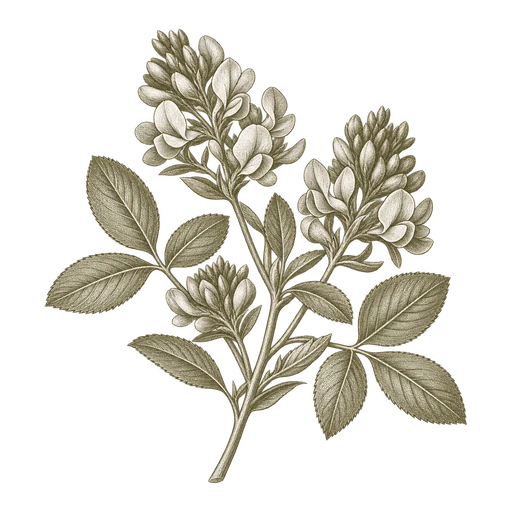
Alfalfa
Alfalfa is a forage legume sourced as hay, silage, meal or pellets for livestock feed. Match the form to receiving and ration needs, then compare a lot-specific analysis on a consistent basis.
Explore ingredientBuckwheat’s form matters in poultry feed: intact seed, dehulled groats and hull-rich milling fractions can differ in composition and formulation relevance. Compare the actual lot, its analysis and the poultry context before deciding how it fits a ration.
Buckwheat for poultry feed is not a single, uniform ingredient. A buyer may encounter seed with its outer hull intact, dehulled groats, or milling fractions containing different proportions of hull and kernel. Those forms differ in fiber contribution, particle size and the amount of kernel material in the feed ingredient.
Whole seed retains the hull; groats are the dehulled kernels. A milling co-product is not automatically equivalent to either one: its composition depends on the process and the fractions collected. This matters in formulation because a hull-rich fraction can contribute more structural fiber and less kernel material than a groat-based product. Particle size also affects how the ingredient moves through mixing and feeding equipment.
When comparing offers, identify the physical form precisely. Ask whether the product is intact seed, groats, or a named milling fraction, and whether it is whole or ground. The word “buckwheat” alone does not establish hull content or nutritional equivalence.
Tannins and protease inhibitors are relevant because they can affect how poultry use nutrients from a feed. Tannins can bind proteins and influence palatability and protein availability; protease inhibitors can interfere with protein digestion. Their practical significance depends on the ingredient fraction, its composition and any processing—not simply on the crop name.
Hull-rich fractions deserve particular attention when comparing products, since hull content changes the ingredient’s composition. Do not assume that whole seed, groats and milling by-products have the same levels or effects. If an offer is heat-treated or otherwise processed, ask what process was applied and whether the supplier has analysis relevant to the finished ingredient. Processing should not be treated as proof that these factors are absent.
A formulator should interpret any antinutritional-factor results alongside the full nutrient profile and the intended poultry diet. Without representative lot data, a general description cannot establish how a particular buckwheat ingredient will perform in a ration.
The relevant question is not simply whether buckwheat can be used in poultry feed, but how a defined form fits a particular flock and complete diet. Bird type, age and production stage affect formulation priorities. The existing ration also matters: replacing another ingredient changes the overall balance of energy, protein, amino acids and fiber.
For that reason, avoid carrying a formulation decision from one poultry context to another without review. A poultry nutritionist can assess a specific buckwheat lot against the diet and production purpose. This article does not set an inclusion rate; an appropriate rate cannot be inferred from the ingredient name or from a different product form.
Fagopyrin-related photosensitivity is a concern associated with exposure to buckwheat plant material in some outdoor animal contexts. It should not be automatically treated as proof that cleaned buckwheat grain presents the same exposure. Seed, groats, hull-rich fractions and green plant material are distinct products, and the ingredient’s identity and form matter when assessing the question.
For outdoor poultry, clarify whether birds can access buckwheat plants, green material or feed ingredients, and distinguish that exposure from a ration made with processed seed. If fagopyrin is a concern for the intended use, request information relevant to the supplied material rather than assuming all buckwheat products carry the same risk. Do not generalize a concern about plant exposure to every grain ingredient—or dismiss it without considering the actual exposure.
Useful lot information starts with product identity: intact seed, groats or a defined milling fraction; whether it is ground; and how much hull or kernel material it contains. Request a nutrient analysis suitable for feed formulation, including the measures your nutritionist needs to compare energy, protein, fiber and amino-acid contributions. Confirm the basis and methods used for reported results so comparisons are meaningful.
Where tannins or protease inhibitors could affect the decision, ask whether they were measured and what the results represent. For processed products, establish the processing description and whether analysis applies to the finished material. For outdoor systems where plant exposure is possible, separately clarify whether the concern is the feed ingredient, accessible plants or both.
These details help a formulator judge the actual ingredient rather than a generic buckwheat profile. For bulk sourcing, use the [Buckwheat ingredient page](/ingredients/buckwheat) to identify the form you need, then compare the offered lot information with the requirements of your poultry operation. Exact analysis and commercial terms are specific to the supplier and lot.
No. Groats are dehulled kernels, while whole seed retains the hull. Their fiber contribution and composition can differ, so a formulator should use analysis for the specific product rather than substitute one profile for the other.
They are relevant formulation factors because they can affect protein use and digestion. Their importance depends on the lot, fraction and processing. Ask for suitable analysis and have a poultry nutritionist interpret it in the context of the complete ration.
Do not assume it does. Fagopyrin-related photosensitivity is associated with exposure to buckwheat plant material in some outdoor contexts. Distinguish accessible plants or green material from a defined grain ingredient, and assess the actual exposure.
Focused guides to the specification, application, and delivery questions behind this ingredient.
Plan bulk buckwheat receiving around the exact product form, the facility’s packaging and unloading capabilities, and clean, dry storage. Include quantity, destination and timing when arranging a delivery.
Read this InsightA practical comparison of bulk buckwheat groats for food production, covering roasted status, moisture, kernel condition, hulls, odor and foreign material without inventing acceptance limits.
Read this InsightAlfalfa is a forage legume sourced as hay, silage, meal or pellets for livestock feed. Match the form to receiving and ration needs, then compare a lot-specific analysis on a consistent basis.
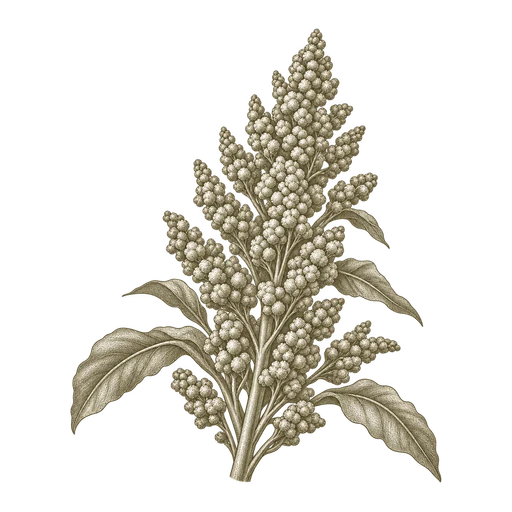
Explore ingredientAmaranth can be sourced as grain, leaf meal or whole-plant forage, and those forms are not interchangeable in feed formulation. Specify the plant material, species and processing method, then compare lot analysis suited to the intended animal and use.
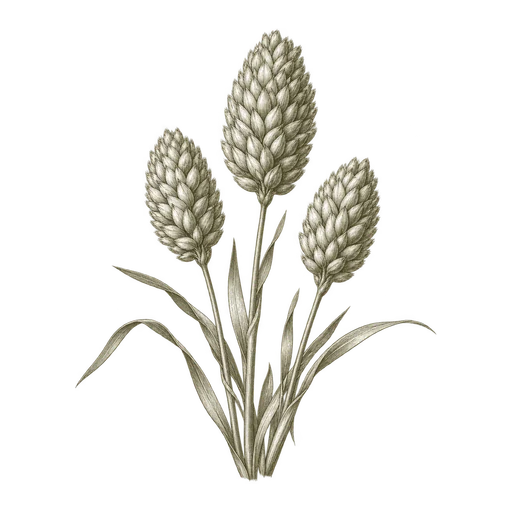
Explore ingredientCanary seed is a grass grain sourced mainly for bird-feed blends, with specific glabrous varieties also processed into food ingredients such as groats and flour. Identify the hull type, intended market and processing form before comparing bulk lots.
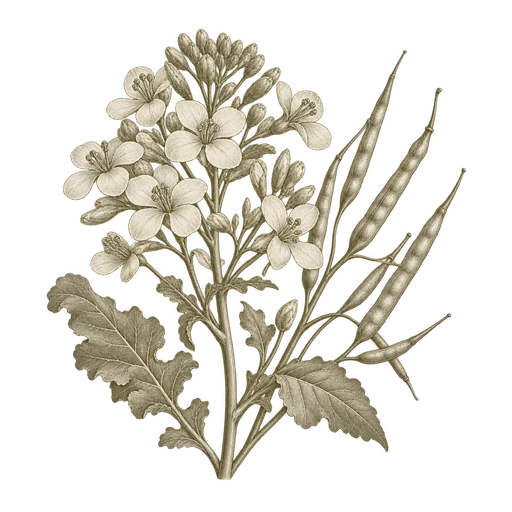
Explore ingredientCanola refers to seed and products including edible oil and feed meal. For bulk sourcing, identify the product and, for meal, compare processing, physical form and lot analysis to match the feed formulation and receiving setup.
Explore ingredient