Independent sourcing. Better connections.Commercial buyers · Bulk ingredients
topic

Bulk storage

Bulk storage brings together ingredients with different forms and handling needs, from Black Oils and wet or dried Brewer’s Grain to fruit products and dry solids. The collection does not imply a common storage specification. Buyers should identify each ingredient’s exact form, condition and intended use before planning capacity, equipment or storage duration.

7 ingredients6 published Insights
EXPLORE THE COLLECTION

Bulk storage ingredients

Sunflower Seeds

Black Oils

Black-oil sunflower seed is a black-hulled oilseed used in bird feeding, oil processing and animal-feed formulations. Specify whole seed or a processed form, then compare lot quality and storage requirements against the intended use.

Explore ingredient

Dried Fruits

Blueberries

Bulk blueberries are sourced as frozen whole fruit, dried berries, powder, puree and other distinct forms. Match the form and its quality measures to the recipe, processing method and receiving requirements.

Explore ingredient
Animal Products

Bone Meal

Bone meal is dried, ground animal bone used as a mineral-bearing ingredient in feed and pet-food formulations. Compare cooked and steamed forms, source species, and calcium and phosphorus analysis to identify the material that fits the intended use.

Explore ingredient

Feed Ingredients

Brewer’s Grain

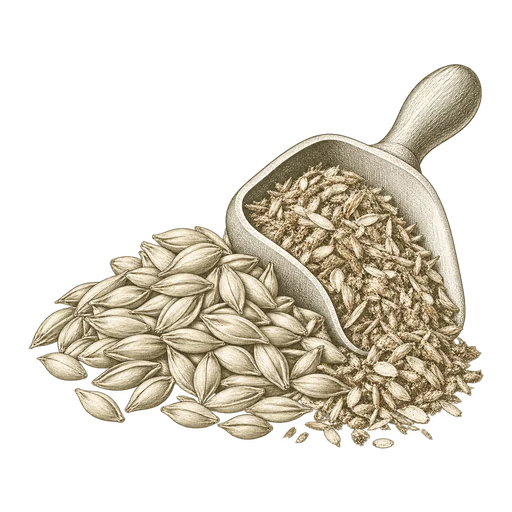
Brewer’s grain, or brewers’ spent grain, is a brewing co-product used particularly in cattle feed. Wet and dried forms differ in moisture, transport burden and storage needs; compare the offered form and lot analysis with your ration and receiving setup.

Explore ingredient
Starches/Fibers/Proteins

Brewer’s Yeast

Brewer’s yeast is a brewing-derived ingredient, but dried, liquid and further-processed yeast products are not interchangeable. Identify the intended use and exact form, then compare the lot analysis—especially crude protein for defined brewers dried yeast—before arranging a bulk order.

Explore ingredient
Grains

Buckwheat

Buckwheat is sourced as whole seed, dehulled groats, flour and milling by-products for food and feed uses. Choose the form and processing status for the intended use, and compare lot quality on a clearly stated basis.

Explore ingredient

A mixed collection, not one storage class

Bulk storage covers very different materials here: Black Oils, Blueberries, Blueberry Pomace, Bone Meal, Brewer’s Grain, Brewer’s Yeast and Buckwheat. Their names alone do not establish grade, intended use or physical form. Blueberries, for example, could be fresh, frozen or dried; Brewer’s Grain could be wet or dried. Those distinctions change what storage and handling questions matter.

Treat this collection as a starting point for comparing storage needs, not as evidence that all members suit the same bin, tank or shared system.

Match storage decisions to form and condition

Moisture, temperature and incoming condition are important for dry ingredients and wet materials alike, but there is no single moisture limit or shelf-life rule for this collection. Wet Brewer’s Grain is perishable; preservation and delivery-to-use timing deserve particular attention. For Black Oils, first confirm the exact oil and grade before choosing tank conditions or handling procedures.

For fruit products, yeast, bone meal and buckwheat, confirm processing form and intended use rather than assuming storage requirements from the ingredient name. Product-specific handling instructions and lot details are more useful than a generic bulk-storage label.

Check equipment fit before receiving

Ask whether the material arrives wet, dry, liquid, whole, milled or otherwise processed, and whether it will flow through your unloading and conveying equipment. Confirm compatible bin or tank capacity, moisture protection, sanitation needs and how residues from previous loads will be managed. Plan inspection and stock rotation around the material’s condition and the supplier’s stated storage guidance.

Common questions.

Can all ingredients in this collection use the same storage setup?+

Not by default. Oils, wet brewing co-products, dry solids and fruit products differ in form and handling needs. Confirm each ingredient and lot before assigning shared equipment.

Is there one moisture limit for these bulk ingredients?+

No universal limit is established for this collection. Use a limit only when it is specified for the exact ingredient, form and intended use.

What should I confirm about Brewer’s Grain before arranging storage?+

Confirm whether it is wet, dried or preserved, along with its measured condition, delivery timing and the supplier’s storage and use guidance.

What does the name Black Oils tell me about tank requirements?+

It does not identify the oil or its grade. Confirm the exact product and applicable handling instructions before selecting a tank or operating conditions.

Bulk storage · BUYER INSIGHTS

Go deeper before you source.

Focused guides to the specification, application, and delivery questions behind this ingredient.

FIELD GUIDE01Bulk storage
Buyer’s guide

Planning bulk buckwheat receiving and storage

Plan bulk buckwheat receiving around the exact product form, the facility’s packaging and unloading capabilities, and clean, dry storage. Include quantity, destination and timing when arranging a delivery.

Read this Insight
FIELD GUIDE02Bulk storage
Buyer’s guide

Buckwheat in poultry feed: form and formulation questions

Buckwheat’s form matters in poultry feed: intact seed, dehulled groats and hull-rich milling fractions can differ in composition and formulation relevance. Compare the actual lot, its analysis and the poultry context before deciding how it fits a ration.

Read this Insight
FIELD GUIDE03Bulk storage
Buyer’s guide

How to compare buckwheat groats for bulk food use

A practical comparison of bulk buckwheat groats for food production, covering roasted status, moisture, kernel condition, hulls, odor and foreign material without inventing acceptance limits.

Read this Insight
FIELD GUIDE04Bulk storage
Buyer’s guide

Brewer’s Yeast Bulk Receiving and Storage Planning

Plan bulk brewer’s yeast receiving around product form, shipment details, unloading capability and storage instructions suited to the offered product.

Read this Insight
FIELD GUIDE05Bulk storage
Buyer’s guide

Using Brewers Dried Yeast in Animal Feed Formulation

Assess brewers dried yeast in animal feed by verifying the product identity, comparing crude protein on a consistent basis, and evaluating the full lot analysis within the target formulation.

Read this Insight
FIELD GUIDE06Bulk storage
Buyer’s guide

Brewers Dried Yeast Protein Analysis: What Buyers Need to Compare

Understand what the 35% crude-protein minimum means for defined brewers dried yeast, why product identity and reporting basis matter, and how to compare lot-specific results.

Read this Insight