Grains
Alfalfa
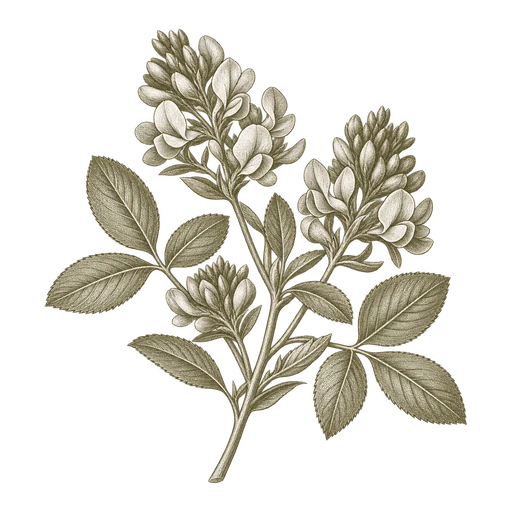
Alfalfa is a forage legume sourced as hay, silage, meal or pellets for livestock feed. Match the form to receiving and ration needs, then compare a lot-specific analysis on a consistent basis.
Explore ingredientTeff grain and teff flour call for different quality measures. Compare grain moisture, cleanliness and screening criteria separately from flour particle size and application-specific function, and align test methods and measurement bases before evaluating lot results.
Teff grain and teff flour need different quality specifications because buyers receive and use them differently. Grain is a whole seed product that may be cleaned and screened before delivery or further milling. Flour is already milled, so its particle size and performance in a specific recipe or process become central considerations.
A useful comparison starts by stating whether the requirement is for whole grain or flour, then matching each measure to the way that form will be handled and used. Grain measurements should describe the incoming seed lot; flour measurements should help predict consistency in the intended food application. A single shared checklist can miss important differences.
For teff grain, moisture is relevant to storage and handling. Compare the stated value along with its measurement method and basis, such as whether it is reported as received or on a dry-matter basis. Values cannot be compared meaningfully if the reporting basis or test method differs.
Cleanliness and foreign material describe what is present alongside the grain, not how finely it has been milled. Buyers should identify which materials matter to their process and how they will be measured or reported. For a mill, foreign material can affect cleaning needs and the material entering the milling line; for a food manufacturer receiving cleaned grain, it can relate to incoming-lot acceptance.
Sieve criteria describe the size distribution of material retained on or passing through specified screens. They can help define a cleaning or grading requirement, but the screen sizes and the reporting convention must be clear. A sieve result for whole grain is not a substitute for a flour particle-size specification.
For teff flour, particle size helps describe how finely the grain has been milled and how consistently the flour may behave in a blend or production process. A useful specification identifies the test method and the way results are expressed—for example, a defined screen or particle-size distribution—rather than relying on an undefined term such as “fine.” The relevant target depends on the product being made and the equipment or process that handles the flour.
Particle size is not a complete measure of flour functionality. Two flours with similar size distributions can still behave differently in a particular formulation. If performance is important, define the application and the functional test that reflects it, then compare results produced by the same method. This is especially useful when assessing flour for a repeatable product rather than treating one general flour description as a guarantee of performance.
Falling number may be considered for teff grain or flour when the purchase is tied to baking performance. The test is used in grain and flour evaluation as an indicator related to alpha-amylase activity, which can affect dough and baked-product behavior. It is not a universal quality threshold for all teff, nor does it replace application-specific evaluation.
Before using it as an acceptance criterion, establish why the measure matters to the product and confirm that the offered specification reports the same test method and basis as the buyer’s benchmark. A number without its method or intended interpretation is difficult to use responsibly. For non-baking uses, other measures may be more relevant.
Build separate comparison sheets for grain and flour. For grain, define the moisture basis, cleanliness or foreign-material criteria, and any sieve requirements. For flour, specify particle-size measurement and any functional tests tied to the actual application. Include the method, reporting units or basis, and acceptance criteria for each measure.
When reviewing an offer, compare its stated specification with the requirement rather than treating a product name as a quality standard. Ask for the applicable lot values and the methods behind them; then resolve any differences in basis or test procedure before using the results for acceptance. For buyers sourcing either form, the [teff ingredient page](/ingredients/teff) is the natural starting point for a bulk inquiry.
No. Grain specifications commonly focus on moisture, cleanliness, foreign material and defined screen criteria. Flour specifications need to describe particle size and, when relevant, functional performance in the intended application.
No. Falling number can be a baking-related measure, but it is not a universal threshold for teff. Use it when it answers a relevant process or product question, and compare results only when methods and reporting bases align.
Different methods or measurement bases can make values incomparable even when they have the same label. Specify the method, units or basis, and acceptance criteria so the offered lot can be evaluated against the intended requirement.
Focused guides to the specification, application, and delivery questions behind this ingredient.
A practical guide to planning bulk teff receiving, transfer and storage around the differences between whole grain, flour and forage.
Read this InsightTeff flour requirements depend on the product and process. Compare flour for injera through batter and fermentation behavior, and evaluate other baked products against their own mixing, handling, and finished-texture needs.
Read this InsightAlfalfa is a forage legume sourced as hay, silage, meal or pellets for livestock feed. Match the form to receiving and ration needs, then compare a lot-specific analysis on a consistent basis.
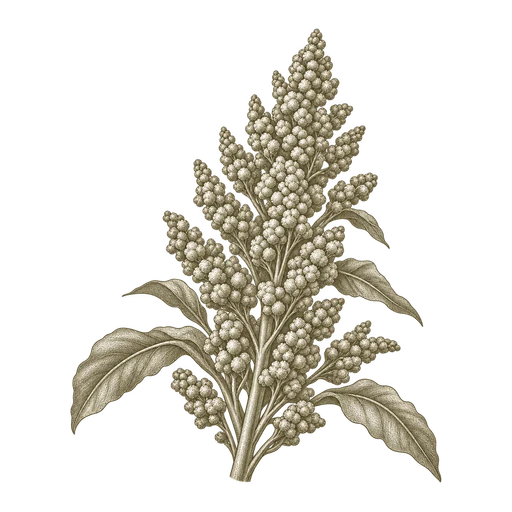
Explore ingredientAmaranth can be sourced as grain, leaf meal or whole-plant forage, and those forms are not interchangeable in feed formulation. Specify the plant material, species and processing method, then compare lot analysis suited to the intended animal and use.
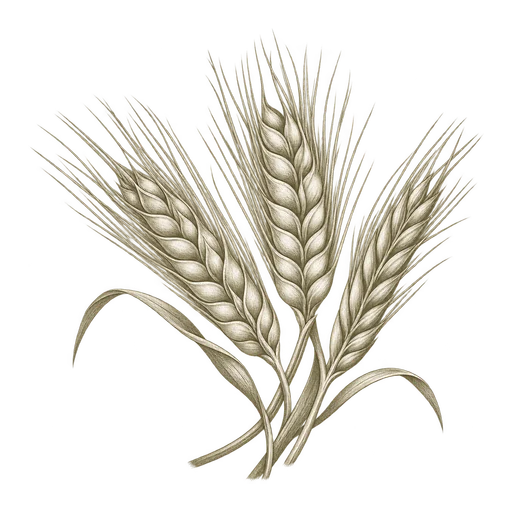
Explore ingredientBarley is a cereal grain used in cattle feed, malting, food and industrial processing. Whole and processed forms serve different needs; identify the intended use, processing state and receiving requirements when sourcing a bulk order.
Explore ingredientBrewers rice is a broken-rice milling fraction used in brewing, fermented products and animal feed. Compare broken, granulated or ground forms and review lot-specific physical and analytical details before sourcing in bulk.
Explore ingredient