Grains
Alfalfa
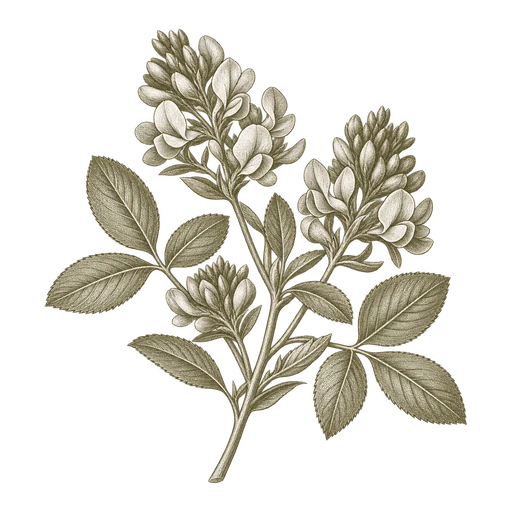
Alfalfa is a forage legume sourced as hay, silage, meal or pellets for livestock feed. Match the form to receiving and ration needs, then compare a lot-specific analysis on a consistent basis.
Explore ingredientA practical guide to planning bulk teff receiving, transfer and storage around the differences between whole grain, flour and forage.
Bulk teff receiving starts with identifying exactly what is arriving. Whole teff grain consists of very small kernels, so the openings and transfer points used for unloading need to suit a fine, free-flowing grain. Teff flour is a milled powder, not interchangeable with whole grain for handling: it needs packaging or enclosed transfer that limits spills and exposure during movement. Teff forage is plant material rather than grain or flour, and its receiving setup depends on whether it is offered as bales, chopped material or another form.
The distinction affects more than the unloading step. Grain and flour have different transfer and cleanup needs, while forage takes up space and moves differently from a granular ingredient. State the form and intended use when arranging a quote, and make sure receiving staff and equipment are prepared for that same form.
Small kernels can escape through gaps that would not be a concern with larger material. Before scheduling an order, review the path from the delivery point to the receiving bin, container or storage area: connection points, screens, gates and cleanout areas should be appropriate for small grain. Confirm that the receiving equipment can accommodate the proposed packaging or unloading method; the available method depends on the particular offer and shipment.
For flour, assess the receiving connection and transfer equipment for powder handling. Preventing leaks and uncontrolled release helps keep the material contained and the work area clean. If the facility uses a shared system, determine whether it can be cleaned adequately before teff enters the line and whether the next ingredient could contaminate the lot.
For forage, check access, unloading space and the facility’s method for moving the stated form. A setup for grain bins does not establish that a site can receive bulky forage, and forage packaging or physical form should not be assumed from the word “teff” alone.
Cleanliness matters at transfer points because residues from previous loads or production runs can mix with teff. Clear the receiving area, inspect the equipment and make sure any shared conveying or storage equipment is suitable for the intended food or feed use. Keep the lot identifiable as it moves into storage, particularly where multiple grains, flours or forage materials are handled at one facility.
Plan how the delivery will be checked at arrival. Compare the delivered product form and identifying information with the purchase documents, and examine packaging or the visible condition of the product for damage, leaks or signs of contamination. If the order includes agreed quality attributes, identify which documents and checks will be used to assess them before the load is accepted. The exact documents and acceptance criteria are offer-specific.
Keep teff dry and protect it from water intrusion, condensation and damp storage areas. Moisture can compromise dry grain and flour during storage; wet or damp conditions also make cleanliness and condition harder to maintain. Store product in a clean, dry area, protect openings from water and avoid placing packaging where leaks or floor moisture can reach it.
Pest control is part of protecting stored grain and flour. Keep the storage area clean, address spilled material promptly and use facility procedures that prevent pests from accessing ingredients. These are sound preventive measures, not a substitute for checking the specific lot or relying on an assumed storage life.
Do not assign a storage limit or shelf life without product-specific information. Ask for the lot’s relevant handling guidance and any available quality information, then compare it with the facility’s storage conditions and planned turnover. Apply the same principle to forage: its storage approach depends on its form and condition, so do not apply grain or flour guidance automatically.
A useful teff quote needs the product form, quantity and unit, delivery destination, requested timing, and the facility’s receiving and unloading constraints. Describe whether the site can receive loose grain, packaged grain, flour or forage, and specify the equipment or access limitations that affect delivery. These details allow the proposed shipment arrangement to be compared with the facility’s actual capabilities; they do not imply that any particular package or transport option is available.
Before placing an order, align the product description, quality requirements, packaging or unloading arrangement, receiving checks and storage plan. When the facility cannot accept a proposed form or transfer method, resolve that mismatch before dispatch rather than at the receiving point. For help sourcing the right form, visit the [teff ingredient page](/ingredients/teff) and submit a request that includes your facility details.
Focused guides to the specification, application, and delivery questions behind this ingredient.
Teff flour requirements depend on the product and process. Compare flour for injera through batter and fermentation behavior, and evaluate other baked products against their own mixing, handling, and finished-texture needs.
Read this InsightTeff grain and teff flour call for different quality measures. Compare grain moisture, cleanliness and screening criteria separately from flour particle size and application-specific function, and align test methods and measurement bases before evaluating lot results.
Read this InsightAlfalfa is a forage legume sourced as hay, silage, meal or pellets for livestock feed. Match the form to receiving and ration needs, then compare a lot-specific analysis on a consistent basis.
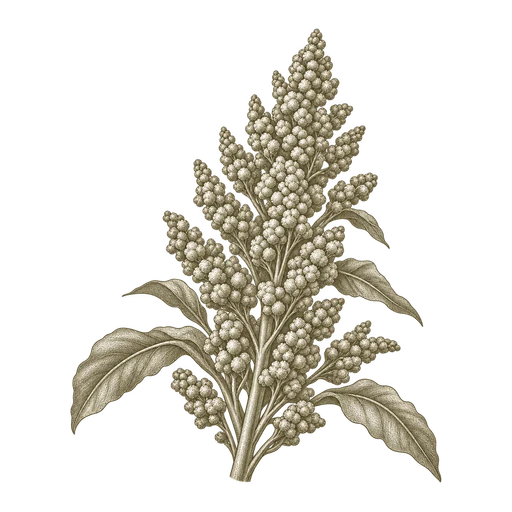
Explore ingredientAmaranth can be sourced as grain, leaf meal or whole-plant forage, and those forms are not interchangeable in feed formulation. Specify the plant material, species and processing method, then compare lot analysis suited to the intended animal and use.
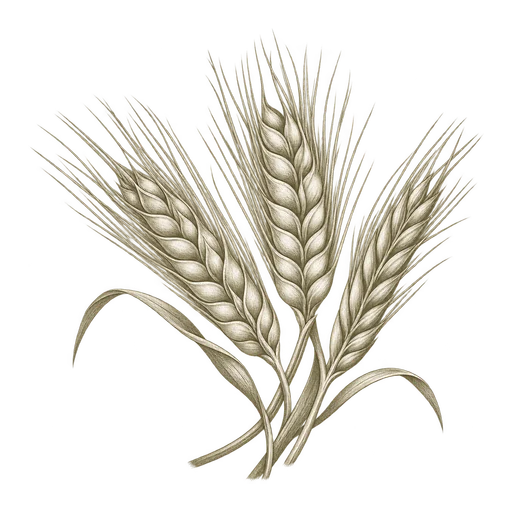
Explore ingredientBarley is a cereal grain used in cattle feed, malting, food and industrial processing. Whole and processed forms serve different needs; identify the intended use, processing state and receiving requirements when sourcing a bulk order.
Explore ingredientBrewers rice is a broken-rice milling fraction used in brewing, fermented products and animal feed. Compare broken, granulated or ground forms and review lot-specific physical and analytical details before sourcing in bulk.
Explore ingredient