Grains
Alfalfa
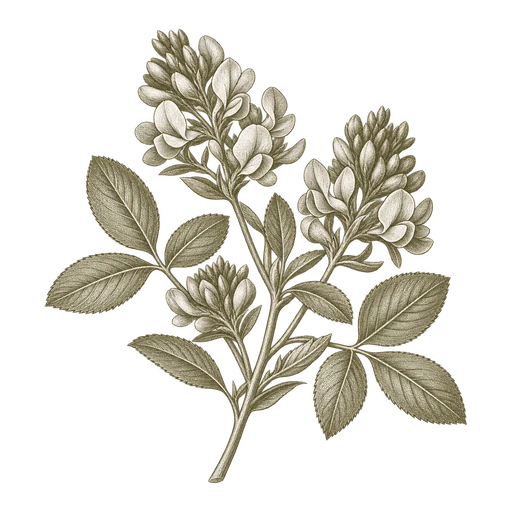
Alfalfa is a forage legume sourced as hay, silage, meal or pellets for livestock feed. Match the form to receiving and ration needs, then compare a lot-specific analysis on a consistent basis.
Explore ingredientTeff flour requirements depend on the product and process. Compare flour for injera through batter and fermentation behavior, and evaluate other baked products against their own mixing, handling, and finished-texture needs.
Teff flour for injera and teff flour for other baked products should be evaluated against the process each one must perform. Injera is made from a fermented batter; breads, crackers, and other baked goods may use different mixing, hydration, fermentation, and baking steps. A flour characteristic that works in one recipe is not automatically a good fit for another.
For a bulk buyer, the useful question is not simply whether a flour is called fine or suitable for baking. It is whether its physical properties and performance are consistent with the intended formula and production method. Define the product and process first, then decide which flour data can meaningfully predict results.
Injera production uses teff flour in a batter that ferments before cooking. That makes batter consistency and behavior through fermentation central to evaluating the flour. Consider how the batter mixes, takes up water, changes during the fermentation step, spreads on the cooking surface, and forms the texture expected in the finished injera.
These are process-specific observations, not universal pass-or-fail properties of teff flour. The formula, water addition, fermentation conditions, and cooking method all affect the result. When comparing flour offers, assess them using the same recipe and production conditions rather than relying on a broad description such as “injera flour.”
A flour trial should also represent the way the plant will make the product. A small-scale batter test can help identify a mismatch, but production-scale mixing and cooking may expose handling differences that are not apparent in a bench test.
“Baking” covers many different products, so it does not define a single teff flour requirement. A flatbread, a leavened loaf, and a crisp baked product place different demands on a dough or batter. Whether teff flour is used alone or alongside other flours also changes what the recipe needs from it.
Set the evaluation criteria around the finished product: for example, whether the mix forms a workable dough or batter, how it handles during shaping or depositing, and whether the baked item reaches the intended structure and texture. If a formula uses a blend, evaluate the teff flour within that blend; results from another flour combination may not transfer.
Avoid assuming that a single particle-size description or general flour test will predict performance across these products. Use a measure only when its relationship to your own mixing, fermentation, shaping, or baking step is understood.
Particle size can affect how flour disperses and hydrates, and can influence the feel of a batter or dough. But “finer” is not a universal quality ranking. A useful target depends on the recipe’s liquid addition, mixing method, fermentation or resting steps, and desired final texture.
Ask what particle-size method or description is provided and whether the measurement reflects the flour you will receive. Then connect it to a practical trial. For injera, observe mixing, hydration, fermentation, spreading, and cooked texture. For other baked goods, choose observations that match the product’s dough or batter handling and finished structure.
Functional data are most useful when the test conditions resemble the production application. A result from a test that does not reflect your recipe may be hard to interpret. Work with the formulator to identify which measurements matter, how they are determined, and what acceptance criteria can be supported by production trials.
Before comparing bulk teff flour, provide the formulator or supplier with the product type, recipe role, process sequence, and desired finished characteristics. Ask for the offered flour’s available specification and clarify the meaning of particle-size and functional measurements. If a particular result is critical, agree on how it will be assessed rather than relying on a general product description.
A practical comparison uses the same formula and operating conditions for each candidate flour. Record water addition, mixing and fermentation behavior, handling, and finished-product observations that matter to your line. This helps separate flour-related differences from changes in process or recipe.
For sourcing, the Teff ingredient page is the route to explore the ingredient and connect the flour form to a bulk inquiry. Include your application and the information your formulator needs to assess a sample or offered specification; packaging, quantity, destination, and commercial terms depend on the specific offer.
Not automatically. Injera uses a fermented batter, while other baked products may require different dough or batter handling and finished structure. Compare flour using the intended formula and process.
No single particle size is best for every recipe. Fineness can affect dispersion and hydration, but the useful target depends on liquid addition, mixing, fermentation, and the desired finished texture.
Ask for the available flour specification and definitions for any particle-size or functional measurements. Have the formulator identify the tests that relate to the recipe, then compare candidates under consistent production conditions.
Focused guides to the specification, application, and delivery questions behind this ingredient.
A practical guide to planning bulk teff receiving, transfer and storage around the differences between whole grain, flour and forage.
Read this InsightTeff grain and teff flour call for different quality measures. Compare grain moisture, cleanliness and screening criteria separately from flour particle size and application-specific function, and align test methods and measurement bases before evaluating lot results.
Read this InsightAlfalfa is a forage legume sourced as hay, silage, meal or pellets for livestock feed. Match the form to receiving and ration needs, then compare a lot-specific analysis on a consistent basis.
Explore ingredientAmaranth can be sourced as grain, leaf meal or whole-plant forage, and those forms are not interchangeable in feed formulation. Specify the plant material, species and processing method, then compare lot analysis suited to the intended animal and use.
Explore ingredientBarley is a cereal grain used in cattle feed, malting, food and industrial processing. Whole and processed forms serve different needs; identify the intended use, processing state and receiving requirements when sourcing a bulk order.
Explore ingredientBrewers rice is a broken-rice milling fraction used in brewing, fermented products and animal feed. Compare broken, granulated or ground forms and review lot-specific physical and analytical details before sourcing in bulk.
Explore ingredient