Independent sourcing. Better connections.Commercial buyers · Bulk ingredients
tag

Baking ingredients

This collection groups Spelt, Split Yellow Peas, Sugar, Sweet Potato Powder, Teff, Tomato and White Millet for buyers exploring baking ingredients. The names span grains, a pulse, a sweetener and less-specific powder or produce descriptions. Confirm each product’s form and specification before assessing its role in a formula.

7 ingredients6 published Insights
EXPLORE THE COLLECTION

Baking ingredients ingredients

Grains

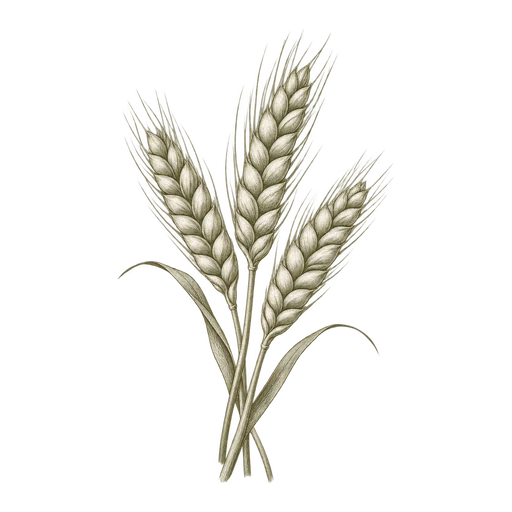
Spelt

Spelt is a hulled wheat sourced as grain, dehulled kernels, flour, or separated hulls. Choose the form for the intended food or feed use, and compare lot-specific functionality or feed analysis rather than assuming all spelt is equivalent.

Explore ingredient
Pulses

Split Yellow Peas

Split yellow peas are dehulled, split smooth yellow dry peas used as a food commodity and milled into flour for food formulations. Choose the form around the process, then compare relevant physical quality, analysis and receiving requirements.

Explore ingredient
Feed Ingredients

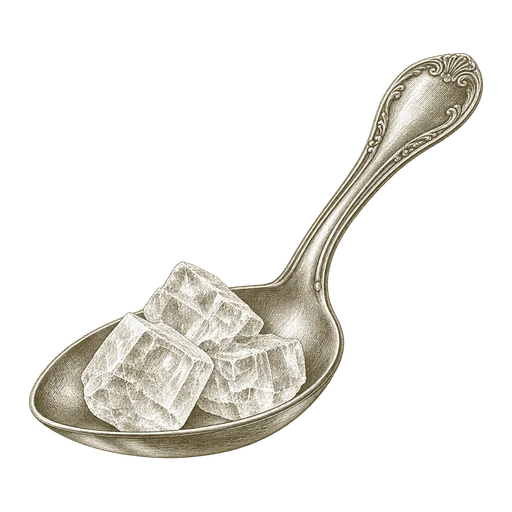
Sugar

Sugar is a broad product family that includes crystalline sucrose, powdered sugar, liquid sugar, syrups and molasses. Identify the exact product, form and intended use, then compare the quality measures and handling information relevant to that category.

Explore ingredient
Dried Vegetables

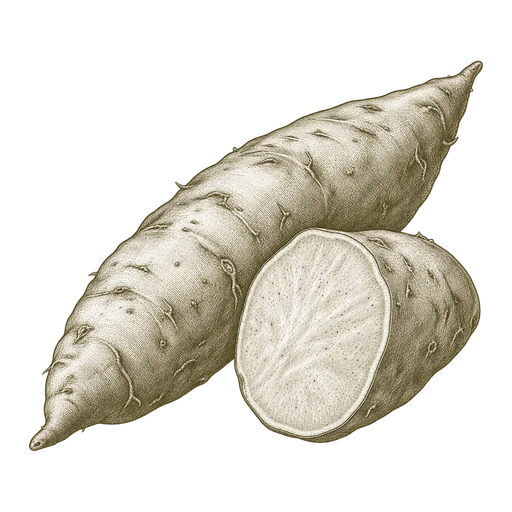
Sweet Potato Powder

Sweet potato powder is a dried, ground root ingredient available through different processing routes, including milled dried root and dried puree. Compare process, color, particle size and functional properties against the needs of your food formulation or feed evaluation.

Explore ingredient
Grains

Teff

Teff is a small-seeded cereal sourced as food grain or flour and separately as forage or straw. Naming the form and intended use helps buyers compare the right quality measures, plan receiving and protect the product in storage.

Explore ingredient
Dried Vegetables

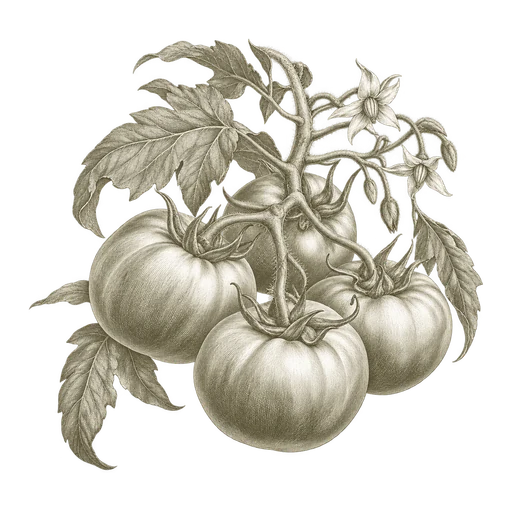
Tomato

Tomato pomace is a tomato-processing residue supplied in wet, dried, powdered or preserved forms. Compare the form, composition and intended feed or food use, since moisture and the proportions of skins, seeds and pulp affect handling and formulation.

Explore ingredient
Feed Ingredients

White Millet

White millet commonly refers to white-seeded proso millet, sourced for food products, birdseed, and livestock feed. Identify the species, hull status, and processing form to match the grain to its intended use.

Explore ingredient

Different ingredients, different roles

This collection brings together Spelt, Split Yellow Peas, Sugar, Sweet Potato Powder, Teff, Tomato and White Millet. These names cover distinct ingredient types, not interchangeable flour substitutes. Spelt contains gluten; teff and millet are grains, while split yellow peas are a pulse. Sugar contributes more than sweetness in many baked goods, influencing batter structure, aeration, texture and color.

Product form matters as much as ingredient identity. Split peas are not pea flour unless milled, and a label such as Sweet Potato Powder does not establish whether the material is flour, dried puree or another preparation. Likewise, Tomato could refer to different forms; research on tomato powder or pomace does not describe every tomato product.

Choose for the formula, not just the ingredient name

For baking trials, clarify whether a grain is whole or milled and whether a pulse or root ingredient is supplied as flour or powder. Processing, particle size, composition and any additives can affect how an ingredient behaves in dough or batter. For Sugar, specify the required type and physical form rather than treating all sugars as equivalent.

Alternative grain and pulse flours can change baked-product volume and texture, and the outcome depends on the formulation. Do not assume a one-for-one wheat-flour replacement: set trials around the intended product and assess the results before fixing a formula. Confirm food-grade suitability and the applicable specification for the product being considered.

Bulk buying starts with product definition

Before comparing offers, align the product description with the intended use: ingredient form, relevant species or variety, milling or heat treatment, particle size and composition. These details help distinguish materials that share a broad name but may perform differently in baking.

Storage and receiving plans should also match the confirmed form and packaging. Whole grains, flour, sugar and powders do not necessarily share the same handling needs, so use product-specific specifications rather than one general assumption for the collection.

Common questions.

Are the ingredients in this collection direct substitutes for wheat flour?+

No general one-for-one substitution follows from the ingredient names. Grain, pulse and root-vegetable flours can affect volume and texture differently, so evaluate the specific product in the intended recipe before setting a formula.

What should I clarify about Split Yellow Peas for a baking application?+

Confirm whether the product is whole split peas or milled flour, and whether it has been heat-treated. Those distinctions matter when comparing ingredients or planning a baking trial.

Does Tomato in this collection mean tomato powder?+

Not necessarily. The name alone does not identify the form; tomato powder, pomace, pieces and fresh tomato are distinct materials. Confirm the exact form and its food-use specification.

What details matter when buying Sweet Potato Powder in bulk?+

Clarify whether it is flour, dried puree powder or another form, along with composition, particle size and any additives. Do not assume an unspecified powder behaves like flour.

Baking ingredients · BUYER INSIGHTS

Go deeper before you source.

Focused guides to the specification, application, and delivery questions behind this ingredient.

FIELD GUIDE01Baking ingredients
Buyer’s guide

White millet bulk receiving and storage planning

Plan bulk white millet receiving around the grain form, order quantity, destination, unloading capability, and storage conditions. Align lot requirements for moisture and cleanliness before delivery.

Read this Insight
FIELD GUIDE02Baking ingredients
Buyer’s guide

Choosing white millet forms for food processing and baking

Compare whole, puffed, cracked and flour forms of white millet by how they enter food production, and treat dehulling as a separate specification for baking and processing.

Read this Insight
FIELD GUIDE03Baking ingredients
Buyer’s guide

White millet specifications: identity, hull status, and quality

White millet specifications should identify the species and clarify whether the grain is whole and hulled or dehulled. Color, cleanliness and analysis matter differently across food, birdseed and feed uses, so compare lots against requirements written for the intended application.

Read this Insight
FIELD GUIDE04Baking ingredients
Buyer’s guide

Planning tomato pomace receiving and storage by form

Bulk tomato pomace receiving depends on form. Plan wet material for prompt use or preservation, protect dry forms from moisture and contamination, and match unloading and storage arrangements to the product arriving.

Read this Insight
FIELD GUIDE05Baking ingredients
Buyer’s guide

Questions to resolve before using tomato pomace powder in bread

A focused formulation framework for evaluating tomato pomace powder in bread, from food-use identity and particle form through controlled dough and loaf testing.

Read this Insight
FIELD GUIDE06Baking ingredients
Buyer’s guide

How to compare tomato pomace analysis and moisture basis

Compare tomato pomace analysis on a consistent basis. Moisture, dry matter, protein, fat, ash and the named fiber method all affect how a lot report should be read.

Read this Insight