Independent sourcing. Better connections.Commercial buyers · Bulk ingredients
tag

Bulk food ingredients

Bulk food ingredients in this collection range from nut kernels and pieces to ground almond, sunflower hearts, teff and strawberries. They do not share one specification or processing state. Use the ingredient name as a starting point, then match form, size, processing and documentation to your recipe and receiving requirements.

11 ingredients6 published Insights
EXPLORE THE COLLECTION

Bulk food ingredients ingredients

Tree Nuts

Almond Meal

Almond meal can mean ground edible kernels or oil-extraction press cake, and the distinction affects composition and bakery performance. Identify the almond fraction, compare its lot analysis and match its form to your formulation and receiving setup.

Explore ingredient
Tree Nuts

Cashews

Bulk cashews are sourced as edible kernels in forms such as whole or broken, raw or roasted. Specify the exact product form and quality measures so the shipment can be compared with your food application and receiving requirements.

Explore ingredient
Tree Nuts

Filberts

Filberts, also called hazelnuts, are sourced as natural or roasted kernels, ground meal and distinct processing by-products. Identify the exact form and compare relevant quality measures, particle size and handling needs for your food or defined feed application.

Explore ingredient
Tree Nuts

Mixed Tree Nuts

Mixed tree nuts can mean an in-shell food blend, shelled kernels or pieces, or a distinct processing residue intended for feed. Identify the species, shell status, additives and intended use before comparing specifications or arranging a bulk shipment.

Explore ingredient
Peanuts

Roasted Pickouts

Roasted pickouts is an imprecise name for roasted peanut material, not a defined grade. Clarify kernel form, skin content, processing, additives and lot-specific quality information before matching a bulk purchase to food processing or another intended use.

Explore ingredient
Dried Fruits

Strawberries

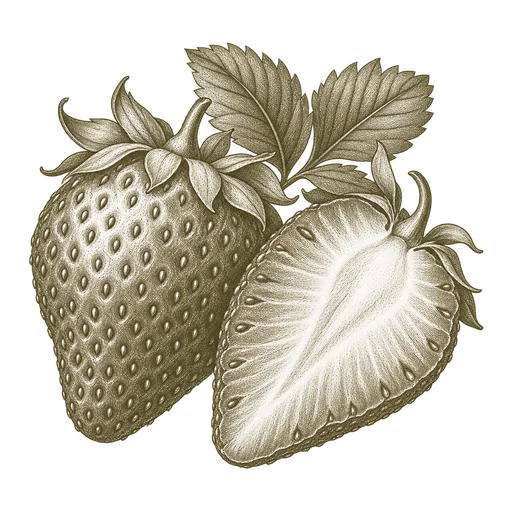
Bulk strawberries are sourced in fresh, frozen and processed forms, each with different handling and recipe characteristics. Specify the form, intended use and relevant quality criteria—especially frozen-fruit grade or dried-product analysis—to compare suitable offers.

Explore ingredient
Grains

Teff

Teff is a small-seeded cereal sourced as food grain or flour and separately as forage or straw. Naming the form and intended use helps buyers compare the right quality measures, plan receiving and protect the product in storage.

Explore ingredient
Tree Nuts

Walnut Pieces

Walnut pieces are broken edible walnut kernels used where a fragment format fits the finished food. Confirm species, kernel-versus-meal identity, piece size and lot condition, then plan moisture-protected, cool storage.

Explore ingredient
Tree Nuts

Walnuts

Bulk walnuts can mean shelled kernels, pieces, ground kernel or oil-extraction meal. Identify the species, form and intended use first, then compare the quality measures and handling needs relevant to that product.

Explore ingredient

A collection of distinct ingredient forms

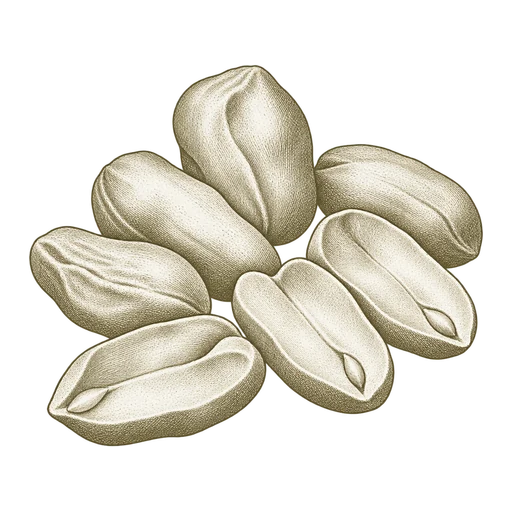
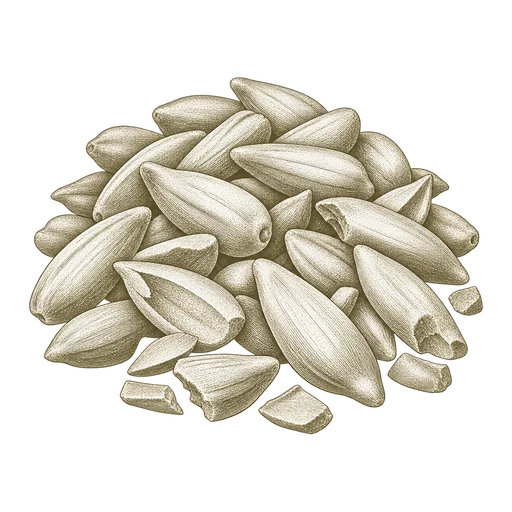
This collection brings together ingredients used in human food, not one standardized commodity. It includes whole nuts and pieces, almond meal, peanut splits, roasted pickouts, sunflower hearts, teff and strawberries. Their names identify broad product types, but do not establish details such as grade, particle size, processing state or exact form.

Choose by the role in your recipe or process. Almond meal is ground, while walnut pieces and whole walnuts have different size and texture. Teff grain is not the same form as teff flour, and strawberries may be offered in different processed forms. Confirm the product identity before comparing specifications.

Specify what matters to your process

For nuts, seeds and peanut splits, define the form and request relevant details such as piece-size distribution, fines, defects and raw or roasted state. For almond meal, clarify skin status and grind range. For teff, distinguish intact grain from flour; for strawberries, identify the processing method, cut or powder form, and ingredient statement.

Review allergen documentation for the specific product and intended use: peanuts and tree nuts are different allergen groups, and shared handling can matter. Also compare packaging and storage guidance for the form you are buying. Broken nut pieces have more exposed surface than whole nuts, which can affect quality over storage.

Common questions.

Does the ingredient name tell me whether it is ready to eat?+

No. Confirm processing and any microbial-control or kill-step information for the specific product, especially for ready-to-eat uses.

What should I clarify about peanut splits and roasted pickouts?+

Ask for the product definition, cut or piece-size range, fines, source ingredient and processing state. The names alone do not specify a uniform cut or selection standard.

Are the strawberries fresh, dried or powdered?+

The collection name does not establish the form. Confirm the processing method, piece or powder form, added ingredients and any relevant moisture limits.

What allergen information should a food manufacturer review?+

Request product-specific allergen and cross-contact information. Do not infer allergen-free status or certification from an ingredient name.

Bulk food ingredients · BUYER INSIGHTS

Go deeper before you source.

Focused guides to the specification, application, and delivery questions behind this ingredient.

FIELD GUIDE01Bulk food ingredients
Buyer’s guide

Bulk mixed tree nuts: receiving, packaging and storage questions

Plan bulk mixed tree nuts receiving around species, shell status, product form, unloading compatibility, and protection from moisture, pests, mold, and oxidation.

Read this Insight
FIELD GUIDE02Bulk food ingredients
Buyer’s guide

Mixed tree nuts for food or feed: how product identity changes the use

In-shell food blends, shelled kernels and pieces, and Mixed Feed Nuts processing residue are distinct products. Identify the material and intended use before deciding whether it fits a food process or feed formulation.

Read this Insight
FIELD GUIDE03Bulk food ingredients
Buyer’s guide

Mixed tree nuts specifications: identifying the product and lot

A practical guide to mixed tree nuts specifications, including species identity, peanut presence, shell status, product condition, additives and lot-specific details.

Read this Insight
FIELD GUIDE04Bulk food ingredients
Buyer’s guide

Planning receiving and storage for bulk filberts

Prepare a receiving plan for bulk filberts by specifying the product form, shipment details, facility limits and storage instructions applicable to the exact product and package.

Read this Insight
FIELD GUIDE05Bulk food ingredients
Buyer’s guide

How hazelnut meal particle size affects bakery formulation

Particle size and shell content distinguish hazelnut meal from kernels and pieces in bakery formulation. Learn what to define when comparing ground forms and composition information.

Read this Insight
FIELD GUIDE06Bulk food ingredients
Buyer’s guide

Which quality specifications matter for bulk filberts?

A practical guide to distinguishing natural pasteurized and roasted filberts, and defining lot-specific moisture, oxidation, contaminant and microbiological results.

Read this Insight