Grains
Alfalfa
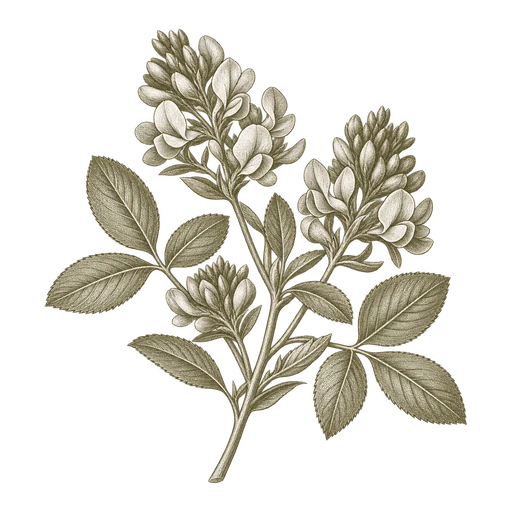
Alfalfa is a forage legume sourced as hay, silage, meal or pellets for livestock feed. Match the form to receiving and ration needs, then compare a lot-specific analysis on a consistent basis.
Explore ingredientReceiving bulk sugar starts with the product form. Plan dry sugar handling to limit moisture and caking; plan liquid sugar or syrup receiving around compatible equipment and product-specific viscosity and temperature guidance.
A receiving plan for bulk sugar depends on whether the product is dry and crystalline, powdered, or liquid. Those forms cannot be handled interchangeably: dry products need protection from moisture and a way to move or contain solids, while liquid sugar and syrup require suitable liquid-receiving equipment.
Before arranging an order, describe the specific form you intend to buy, the quantity and unit, the delivery destination, and the timing you need. These details help connect the product request to the receiving setup at your facility rather than treating “sugar” as a complete handling specification.
Crystalline sugar and powdered sugar are dry solids, but their physical form affects how they move through a plant. Crystals and fine powder behave differently in conveying, metering, and storage equipment. Powder also creates more dust during handling, so consider how your system contains and transfers fine material.
Moisture can cause dry sugar to clump or cake, making it harder to discharge and feed into production. Keep the receiving and storage route protected from rain, condensation, damp surfaces, and other sources of moisture. Check that transfer points, containers, and storage areas are clean and dry before receiving the product.
If your site uses a silo, hopper, or other bulk-storage equipment, confirm that it can receive and discharge the requested form. For packaged material, plan where units will be staged and how they will be kept dry. Do not assume that equipment suited to crystalline sugar will handle powdered sugar in the same way.
Liquid sugar and syrup need a receiving plan built around liquid transfer rather than dry-product unloading. Confirm that the receiving vessel, connection points, and transfer equipment are compatible with the offered product and the way your facility unloads liquids. Include any relevant access or connection constraints at the destination.
Viscosity matters because it affects how a liquid moves through lines and into storage. Sugar liquids and syrups can differ in concentration and handling characteristics, so ask for product-specific guidance on viscosity and temperature before setting unloading procedures. Do not apply a temperature or pumping assumption from one liquid product to another.
Storage capacity and available transfer time also affect the receiving plan. Make sure the intended tank or vessel can accommodate the order and that the product can be transferred through the equipment available at your site. Any temperature, circulation, or other handling instruction should come from guidance for the specific product being offered.
State the order quantity with its unit and provide the full destination when arranging a bulk sugar request. Tell the broker whether your facility receives dry solids, packaged product, or liquid, and describe the receiving equipment or connection requirements that matter. Include timing needs and any constraints on access, unloading, or available storage.
For dry sugar, prepare a clean, dry receiving route and a storage location that limits exposure to moisture. For liquid sugar or syrup, verify tank capacity, connections, and the equipment needed to transfer the product. In either case, align the expected product form and quantity with what the site can accept before the shipment is arranged.
Commercial details such as packaging, shipment arrangement, and delivery timing depend on the specific offer and destination. Give the broker the information needed to match those terms to your receiving conditions; do not plan around a shipment mode or package format until it has been confirmed for the order.
Dry sugar storage should prevent moisture exposure and reduce the chance of caking. Keep handling equipment and storage spaces clean and dry, and avoid leaving dry product exposed during transfers. For powdered sugar, consider dust containment as part of both unloading and routine movement through the plant.
For liquid sugar and syrup, follow the offered product’s storage and temperature instructions. Viscosity and flow can affect unloading and transfer, but the appropriate guidance depends on the product. Do not set a storage temperature or handling limit based on a different sugar liquid.
A useful next step is to request sugar in the form your process actually uses and share your site’s receiving requirements. Visit the Sugar page to prepare a form-specific sourcing request.
Focused guides to the specification, application, and delivery questions behind this ingredient.
Powdered sugar’s fine particles distinguish it from crystalline sucrose, while starch or another anticaking agent can make one powdered formulation behave differently from another. Understand both factors before substituting or scaling a food recipe.
Read this InsightA practical guide to comparing crystalline sugar specifications, including how category, test method and measurement basis shape the meaning of each result.
Read this InsightAlfalfa is a forage legume sourced as hay, silage, meal or pellets for livestock feed. Match the form to receiving and ration needs, then compare a lot-specific analysis on a consistent basis.
Explore ingredientAlfalfa meal is ground forage used in animal feed, with sun-cured and dehydrated processing routes and meal or pellet forms. Compare the offered process, physical form and analysis against the needs of the species and feed formulation.
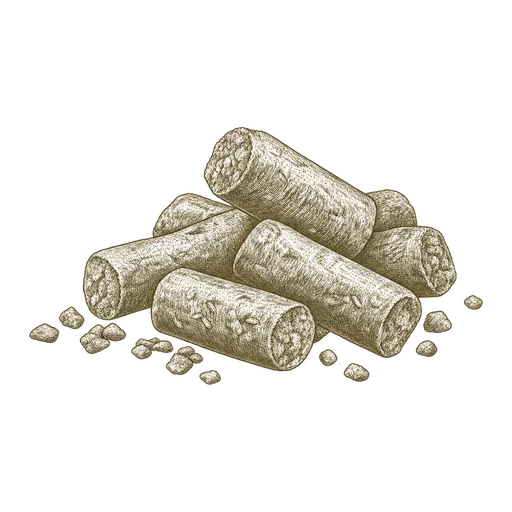
Explore ingredientAlfalfa pellets are ground, compressed forage used in livestock feeding and compound feeds. Compare the drying process, alfalfa material, forage analysis and pellet characteristics to choose a form that fits your ration and receiving setup.
Explore ingredientAlmond hulls are the dried outer layer of the almond fruit, sourced for ruminant feed as hull-only material or as a hull-and-shell mixture. Compare the lot’s composition, physical form, and handling needs before arranging a bulk shipment.
Explore ingredient