Independent sourcing. Better connections.Commercial buyers · Bulk ingredients
tag

Sugar

The Sugar tag currently contains one ingredient: Sugar, meaning sucrose in U.S. food regulation. Bulk buyers should clarify source origin, intended use and physical form rather than relying on the ingredient name alone. A suitable purchasing specification also identifies application-relevant quality measures, documentation and handling requirements for the product being considered.

1 ingredients3 published Insights
EXPLORE THE COLLECTION

Sugar ingredients

Feed Ingredients

Sugar

Sugar is a broad product family that includes crystalline sucrose, powdered sugar, liquid sugar, syrups and molasses. Identify the exact product, form and intended use, then compare the quality measures and handling information relevant to that category.

Explore ingredient

What this Sugar collection covers

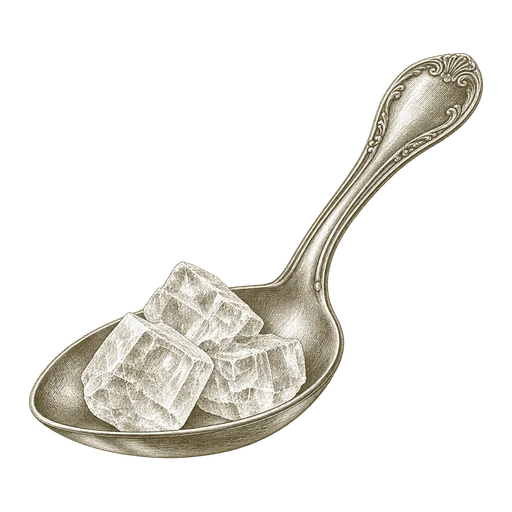
This tag currently contains one member: Sugar. In U.S. food regulation, sugar refers to sucrose, which is crystallized from sugar-cane or sugar-beet juice. Cane and beet identify different source origins; the word sugar by itself does not tell a buyer which origin, crystal size, grade or other product details apply.

Sugar is distinct from sugar-processing co-products. Beet pulp and beet molasses are separate materials, not alternate names for crystalline sucrose, and are not members of this collection.

Match the specification to the use

Start with the intended application and establish whether the ingredient is for human food, animal feed or pet food. Do not assume that a specification or documentation suitable for one context automatically suits another. Confirm the ingredient identity and any origin requirements that matter to your formulation or labeling.

For a bulk request, define the required physical form, including crystal or particle size where relevant, and identify the applicable grade or end-use specification. Ask for the relevant purity or assay basis, moisture limits and test methods; there is no single set of values that applies to every use.

Review lot and receiving details

Before purchase, compare the current lot specification and test results with your acceptance criteria, and confirm packaging and delivery requirements. Storage and handling directions should come from the actual product documentation rather than assumptions based on the ingredient name.

Keep origin, form, intended use and required documentation explicit in the purchasing specification. Those details make it easier to evaluate whether a particular sugar offering fits your process without treating every product labeled sugar as interchangeable.

Common questions.

Does sugar mean cane sugar or beet sugar?+

It can refer to sucrose from either source. Specify cane or beet origin when that distinction matters to your requirements.

What details should a bulk sugar specification include?+

State the intended use, required form or crystal size, applicable grade, and relevant purity or assay and moisture criteria.

Can food-grade sugar specifications be assumed suitable for feed or pet food?+

No. Confirm the identity, documentation and specification for the intended feed or pet-food context.

Are beet pulp and beet molasses types of sugar?+

No. They are distinct sugar-beet processing co-products, not crystalline sucrose.

Sugar · BUYER INSIGHTS

Go deeper before you source.

Focused guides to the specification, application, and delivery questions behind this ingredient.