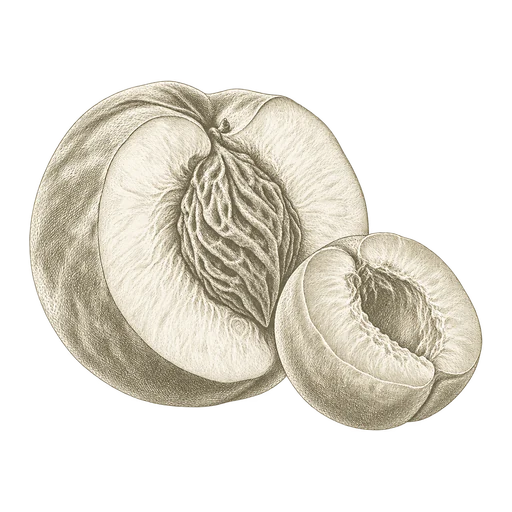
Start with the plum form
A receiving plan for fresh plums is not interchangeable with one for dried plums, pieces or puree. The form affects what arrives, how it is unloaded and what kind of storage instructions the receiving team needs. State the exact form when requesting a bulk plum quote rather than relying on “plums” alone.
Fresh whole fruit needs a plan for handling intact produce. Dried plums and pieces arrive as processed fruit, while puree is a prepared product whose packaging and preservation treatment matter to receiving. These differences affect facility readiness as well as how the product is used after delivery.
If a product description leaves the form or treatment unclear, resolve that before confirming the order. A form-specific request through the <a href="/ingredients/plums">Plums ingredient page</a> helps frame the sourcing discussion around what your operation can actually receive and store.
Define the quantity, destination and timing
Give the requested quantity with its unit, such as weight or another unit your operation uses consistently. Specify the receiving location and the intended delivery window. These details help align the product request with site capacity and production plans; a quantity without a unit or destination is difficult to assess meaningfully.
Also explain when the product can be received and whether the delivery must fit a scheduled production run. This matters particularly when arranging fresh fruit or a product with storage instructions tied to its preservation treatment. The appropriate timing and terms depend on the offer, so establish them for the specific order rather than assuming a general delivery arrangement.
Match packaging to unloading capability
Tell the sourcing contact how your site unloads incoming ingredients and what packaging it can handle. For example, clarify whether your receiving setup expects to handle packaged goods or a different arrangement; do not assume that a particular package or unloading method is available for a plum offer.
For puree, describe the handling equipment and transfer process your facility can accommodate. For whole fruit, dried fruit or pieces, explain any relevant constraints on moving and staging the packages. The packaging proposed for an order needs to work with both the product and the site’s receiving procedure.
Share practical limitations such as receiving hours, access restrictions or equipment requirements before arrangements are finalized. These are not minor delivery notes: a load can be difficult to receive if the site cannot unload or move it using its normal process.
Get storage instructions for the specific product
Storage directions should describe the actual plum product—not an assumed rule for every form. Moisture, packaging and preservation treatment affect what instructions apply. Fresh fruit, dried pieces and puree should therefore be considered separately, and the receiving team should have the supplier’s directions before product arrives.
For dried plums and pieces, ask how the product should be protected in its packaging after receipt. For puree, get instructions that match its packaging and preservation treatment. If the product is treated or supplied in a way that requires particular storage conditions, those conditions need to be stated for that offer; do not infer a temperature limit or shelf life from the word “puree.”
At receiving, check that the delivered form and packaging match the order and that packages are intact. Follow the product-specific instructions for storage and handling, and share them with the team responsible for staging and using the ingredient. Do not substitute generic storage assumptions for directions tied to the actual product.
A practical receiving brief
Before requesting a quote, prepare a short brief that identifies the plum form, quantity and unit, destination, timing, packaging needs, unloading method and any site constraints. Add the storage instructions or product details your operation needs to approve the delivery. This gives the sourcing conversation concrete parameters without presuming a particular package, transport option or commercial term.
After an offer is discussed, compare its product form and packaging with that brief and make sure the receiving team can handle the proposed arrangement. Confirm order-specific commercial details with the broker before committing. The goal is a clear match between the plum product, your receiving setup and the storage directions for that product.
Common questions.
What information should I provide when sourcing bulk plums?+
Specify whether you need fresh plums, dried plums, pieces or puree; give the quantity and unit, destination and requested timing; and describe your packaging, unloading and storage needs.
Can I use the same storage plan for dried plums and plum puree?+
No. Storage directions need to match the product’s moisture, packaging and preservation treatment. Get instructions for the specific dried product or puree rather than applying one form’s assumptions to another.
What should I check before a bulk plum delivery arrives?+
Make sure the receiving site can unload the proposed packaging and that staff know the product form and its storage instructions. Confirm the quantity and unit, destination and timing for the order, then check that the delivered product and packaging match what was agreed.