Produce handling brings together four distinct fresh crops: onions, pineapples, plums and zucchini. Their bulk handling needs are not interchangeable. Onions are commonly cured before storage, while pineapple, plums and zucchini have different temperature requirements and maturity considerations. Buyers should identify the exact form and crop, establish condition criteria, and plan receiving and storage around the specific lot and intended use.
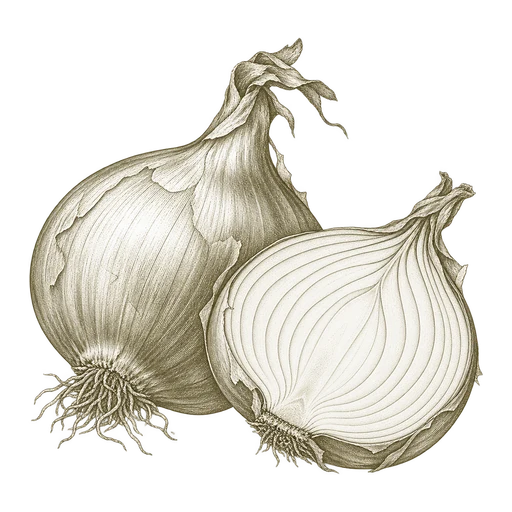
Cull onions are water-rich bulbs rejected from the fresh market, with feed-use evidence specific to particular forms and livestock trials. Compare form, moisture, condition and intended species before arranging a bulk order.
Pineapple is sourced as whole fresh fruit, processed food ingredients such as juice and pulp, dried fruit, and distinct processing residues. Identify the exact form and preservation state because quality measures, uses and handling differ across these materials.
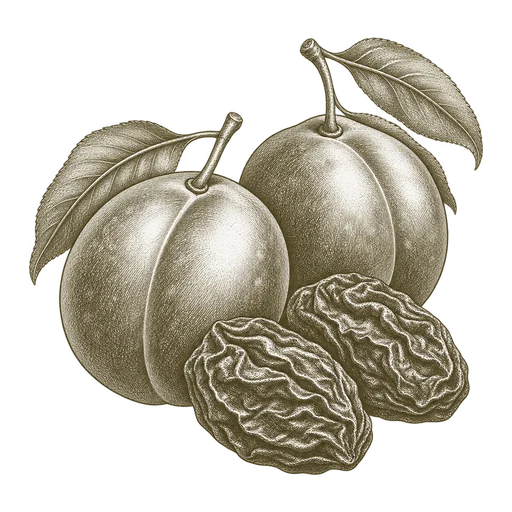
Plums are sourced fresh or as dried whole fruit, pieces and puree for food uses. Choose the form around the recipe and production process, then compare the quality measures that apply to that specific product.
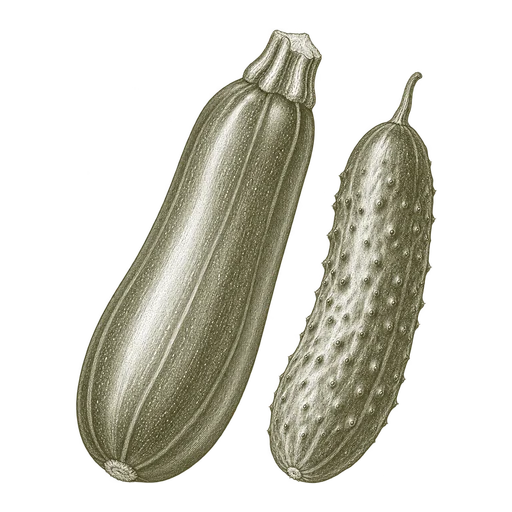
Zucchini is an immature summer squash used in human-food products as fresh fruit, frozen or canned slices, and dried pieces. Choose the form, maturity or cut, and handling requirements to fit the recipe and receiving setup.
This collection covers four distinct fresh crops, not interchangeable forms of one ingredient: onions, pineapples, plums and zucchini. Their postharvest needs differ. Dry-bulb onions are commonly cured with airflow before storage; pineapple should be harvested ready to eat because it does not continue ripening after harvest. Plums and zucchini need crop-specific temperature management.
Published guidance gives different temperature references: ripe pineapple at 7–10°C, plums near 0°C, and zucchini at 5–10°C. These figures are not a validated mixed-load plan, and crop variety, maturity and handling history matter. A single cooler setting may not suit every product.
Match the lot to its intended use
For bulk purchases, establish whether the offer is fresh or processed, then confirm the exact crop, variety, maturity or ripeness, pack and condition criteria. Where available, ask for harvest or packing date and temperature history. For plums, firmness and cultivar-specific skin color are useful quality checks; for zucchini, look for firmness and freedom from bruises, cuts and decay. Dry onions should be firm and dry, without visible sprouting or mold.
Plan receiving and storage around the crop rather than assuming one handling routine works for all. Inspect incoming product, separate damaged produce and consider whether separate temperature zones or staged handling are needed. Packaging and pallet configuration can affect cooling and handling, so align those details with your receiving setup.
Keep the scope clear
The products grouped here are fresh produce. The evidence supporting this overview does not define handling specifications for frozen, canned, dried, cut or juiced forms. If sourcing a processed form, verify its identity and requirements separately rather than applying fresh-crop guidance.
Common questions.
Can onions, pineapple, plums and zucchini share one storage temperature?+
Not based on the guidance summarized here. Their temperature needs differ, and onions also have a curing step. Check whether separate zones or staged handling are appropriate for the shipment.
Will pineapple ripen during transit?+
No. Pineapple does not continue ripening after harvest, so confirm its maturity at harvest rather than relying on transit to finish ripening.
What details should I confirm on a bulk fresh-produce lot?+
Confirm whether it is fresh or processed, the crop and variety, maturity, pack, condition criteria and any available harvest or packing date and temperature history.
Produce handling · BUYER INSIGHTS
Go deeper before you source.
Focused guides to the specification, application, and delivery questions behind this ingredient.