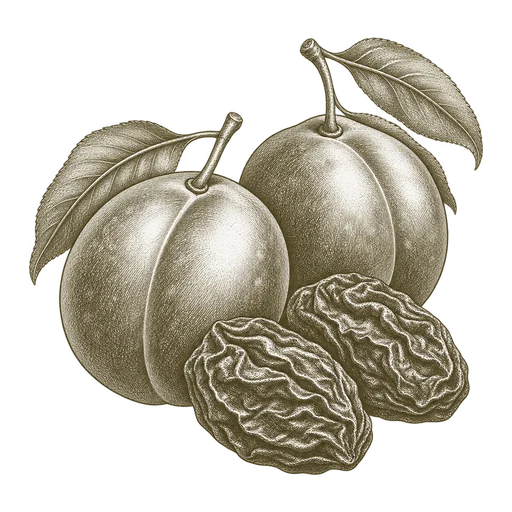
Dried Fruits
Plums
Plums are sourced fresh or as dried whole fruit, pieces and puree for food uses. Choose the form around the recipe and production process, then compare the quality measures that apply to that specific product.
Explore ingredientProcessed fruit ingredients can take substantially different forms even when derived from one fruit. This collection includes Plums, which may be processed as dried whole or pitted fruit, pieces, puree and other specialized forms. Buyers should identify the form first, then compare specifications relevant to its intended use.
Plums are sourced fresh or as dried whole fruit, pieces and puree for food uses. Choose the form around the recipe and production process, then compare the quality measures that apply to that specific product.
Explore ingredientProcessed fruit ingredients are not interchangeable simply because they come from the same fruit. The supplied member of this collection is Plums. Depending on processing, plum ingredients can include dried whole fruit, pitted fruit, pieces and puree; specialized forms such as powder or concentrate also exist. These forms differ in physical properties and formulation behavior, and their mention does not indicate catalog availability.
“Prunes” is also used for dried prune plums. For purchasing, identify the actual form and processing details rather than relying on the name alone.
Dried whole or pitted fruit and pieces retain a solid fruit format, while puree is a paste. Powder and concentrate are further processed forms. Their differences matter for handling and how an ingredient fits into a recipe: a piece is not a direct substitute for puree, and published use of one form does not establish performance for another.
Plum ingredients have been investigated in human-food formulations, including baked goods and meat products. Treat those uses as application examples, not a promise that a particular ingredient will work in a specific formulation.
Before comparing bulk offers, define the form, whole or pitted status, piece dimensions where relevant, and the quality criteria that matter to the application. For dried products, compare moisture limits alongside the stated test method and basis, and clarify pit-fragment limits and any treatment or preservatives. A limit from one purchasing specification is not a universal standard.
For puree or concentrate, request a product-specific specification covering relevant measures such as solids or Brix, pH, consistency, composition and preservatives. Confirm the lot’s testing, packaging and storage requirements against your process; shelf life and handling conditions should not be assumed to apply across forms.
“Dried prunes” refers to dried prune plums, but commercial products can differ. Confirm the product form and processing details.
Not as a direct substitution. Pieces and puree have different physical forms and formulation behavior, so assess them against the recipe and product specification.
Start with ingredient form, then compare relevant quality criteria such as moisture and its test method, piece dimensions, pit-fragment limits, or puree solids, pH and consistency.
No. A result from one broiler study under defined conditions does not establish a universal inclusion rate or expected outcome across species and diets.
Focused guides to the specification, application, and delivery questions behind this ingredient.
Plan bulk plum receiving around the exact product form, quantity, packaging, unloading method and destination. Storage instructions should match the plums’ moisture, packaging and preservation treatment.
Read this InsightCompare plum puree and pieces by their role in a recipe, the preparation and process each requires, and the specifications food manufacturers should define before sourcing.
Read this InsightA practical guide to comparing bulk dried plum specifications by form, grade, size, moisture basis, defects, pit fragments and treatment.
Read this Insight