Fruit ingredients in this collection range from berries and stone fruits to tropical fruits, dried products and processing materials. The names include apples, apricots, banana chips, blueberries, blueberry pomace, cherries, cranberries, kiwi, papaya, pineapples, prunes and raisins. They are related by fruit origin, but they are not a single product class: processing and physical form affect how buyers compare, handle and use them. Confirm the exact material and its intended application before a
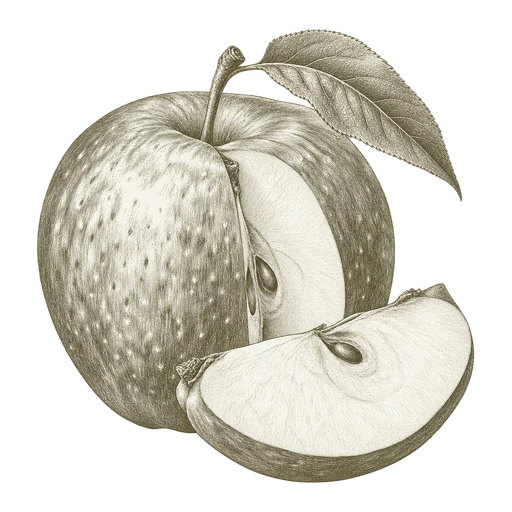
Bulk apples can mean whole fruit, culled apples, dried forms or apple pomace—the residue from pressing apples. Specify the form and intended use first, then compare grade or lot analysis, preservation, receiving needs and storage requirements.
Apricots are sourced fresh or processed into dried fruit and other food forms. Match the form, cut, treatment and quality measures to the intended use, then plan receiving and storage around the product’s handling needs.
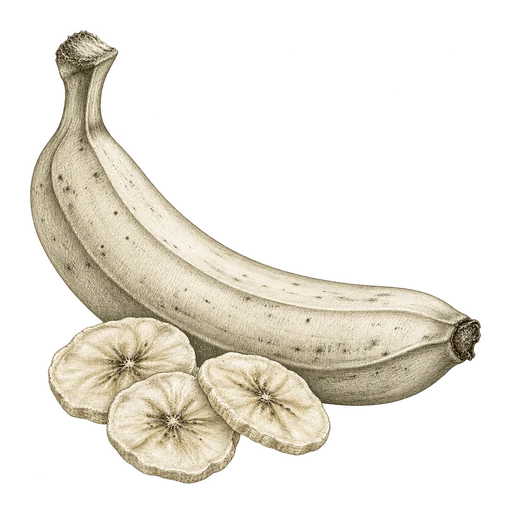
Banana chips include both fried snack slices and dried banana products for food preparation or flour. Identify the process, added ingredients, and intended use before comparing quality measures and bulk shipment terms.
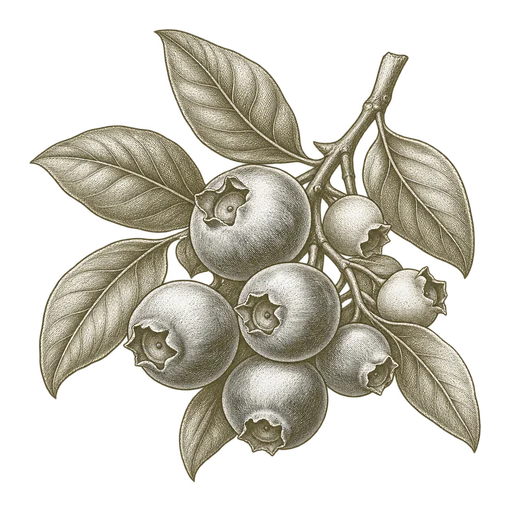
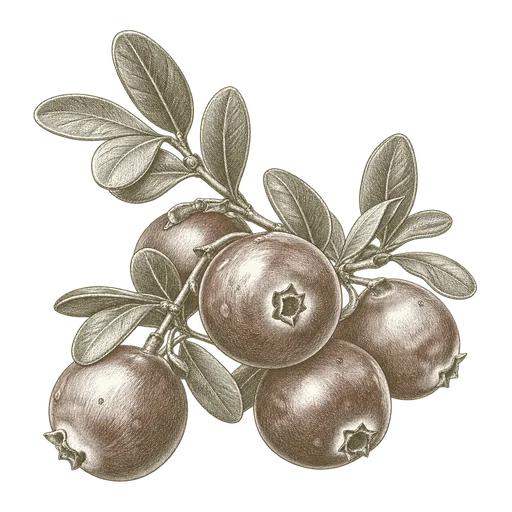
Bulk blueberries are sourced as frozen whole fruit, dried berries, powder, puree and other distinct forms. Match the form and its quality measures to the recipe, processing method and receiving requirements.
Blueberry pomace is fruit residue from juice or puree processing, sold as wet material, dried pomace or powder. Choose the form for your process and compare the offered lot’s moisture, particle form and composition.
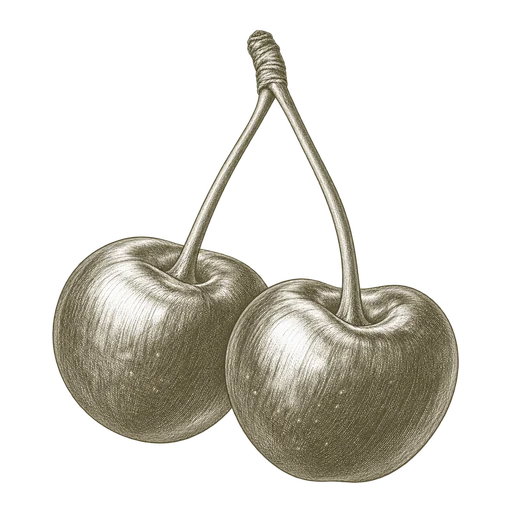
Bulk cherries may mean whole fruit, processed cherries or a distinct fraction such as pomace. Identify sweet or sour cherry and the processing form first; these choices affect product use, quality checks and the specifications needed for a useful quote.
Bulk cranberries can mean whole fruit, juice products, dried fruit, pomace or extracts. Identify the exact form and application, then compare its processing, analysis and handling requirements rather than treating cranberry products as interchangeable.
Ribes currants include black, red, pink and white berries used fresh, frozen or in processed food ingredients. Specify the fruit type and distinguish whole berries, juice, preserves and blackcurrant pomace powder, since these forms serve different roles and have different quality considerations.
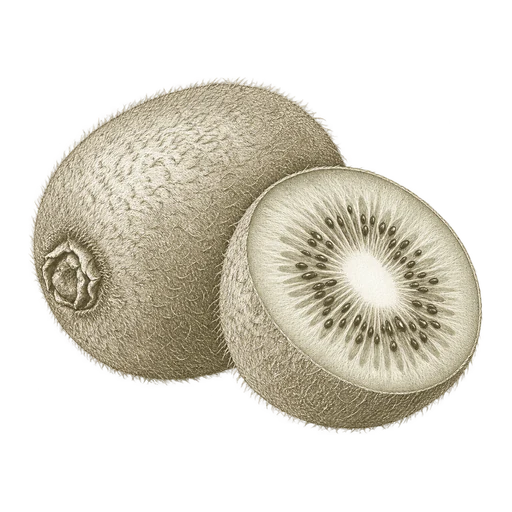
Bulk kiwi can mean whole fruit, puree, dried fruit, peel, pomace, or extracted fiber. Specify the form and processing history, then compare analysis on a consistent basis and match receiving and storage plans to the product.
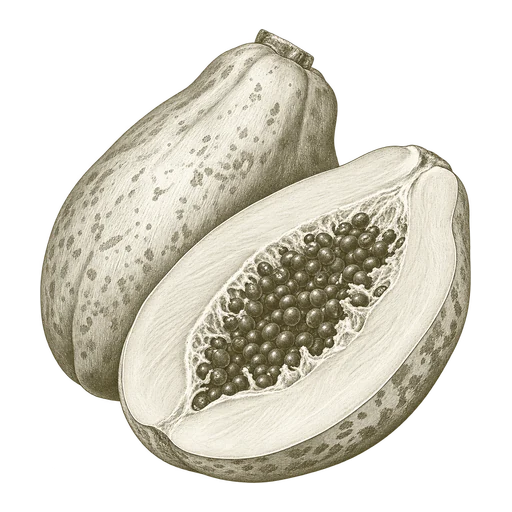
Papaya is sourced as fresh fruit, puree, frozen or canned fruit, dried products, and distinct processing by-products. Identify the exact material and compare form-appropriate quality measures, handling needs and intended use.
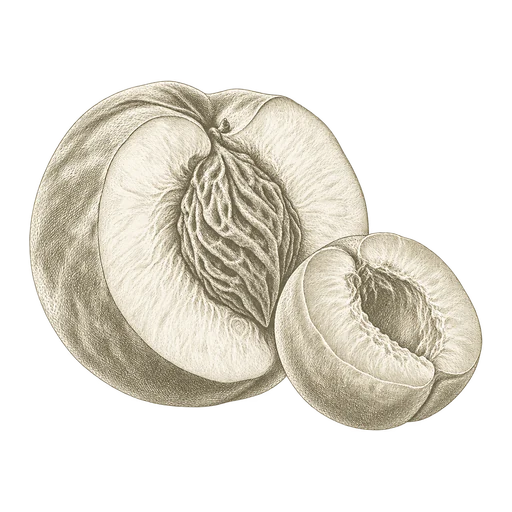
Peaches are sourced as fresh fruit and in processed forms including canned pieces, purée, juice and dried product. Identify the exact form and intended use; pomace, peel, stone and seed are separate processing materials with different composition and handling considerations.
Pineapple is sourced as whole fresh fruit, processed food ingredients such as juice and pulp, dried fruit, and distinct processing residues. Identify the exact form and preservation state because quality measures, uses and handling differ across these materials.
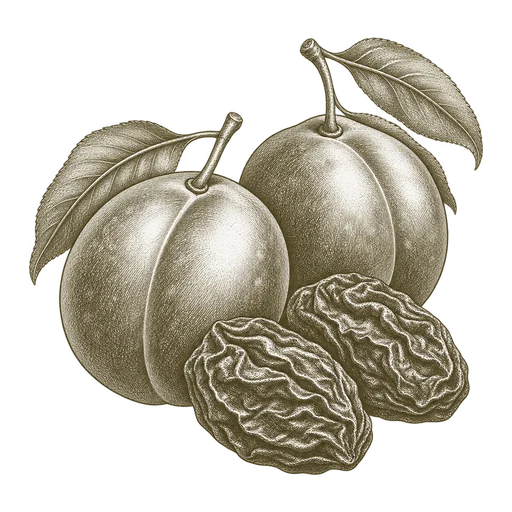
Plums are sourced fresh or as dried whole fruit, pieces and puree for food uses. Choose the form around the recipe and production process, then compare the quality measures that apply to that specific product.
Prunes are dried European plum fruit supplied whole or in ingredient forms such as diced pieces, paste, puree, concentrate and powder. Compare style, moisture, size, ingredients and handling characteristics against the needs of your food process.
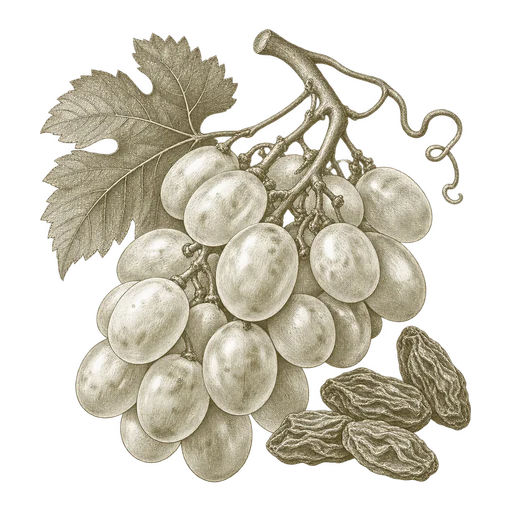
Raisins are dried grapes used in baking, food manufacturing, confectionery and culinary products. Specify grape category, seed status, drying treatment and preparation to match the fruit to your process.
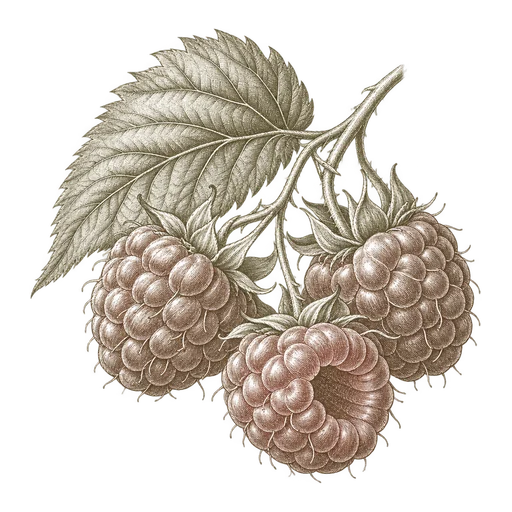
Bulk raspberries can mean frozen whole fruit or a distinct processing by-product such as raspberry pomace. Identify the form first, then compare quality criteria or analysis suited to its intended use.
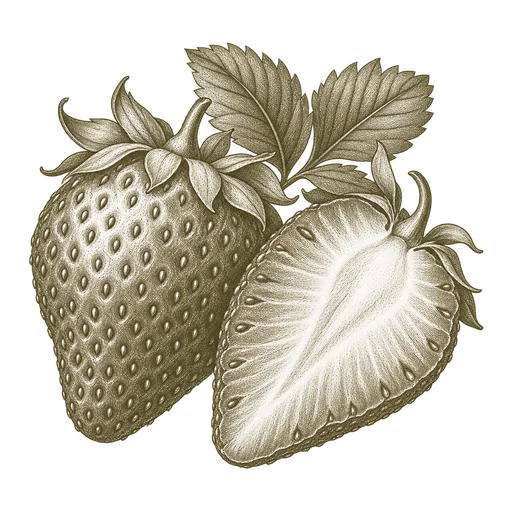
Bulk strawberries are sourced in fresh, frozen and processed forms, each with different handling and recipe characteristics. Specify the form, intended use and relevant quality criteria—especially frozen-fruit grade or dried-product analysis—to compare suitable offers.
Processing changes what a fruit ingredient is. Dried, sliced, chipped, pitted, puréed and pressed materials have different physical characteristics and may suit different formulations. For example, blueberry pomace is a fruit-processing remainder, not whole dried blueberries; its composition can vary. Dried fruit can be used in snacks, toppings and baked goods, but a use suitable for one form does not establish suitability for another.
Specify the form before comparing lots
When comparing options, identify the fruit and exact form: whole or cut, pitted or unpitted, dried or puréed, or pomace. Also clarify whether it is sweetened, infused, coated, preserved or otherwise treated. A broad name such as “apples” alone does not tell a buyer the processing state or intended application.
Request quality details relevant to that form and use, such as moisture and water activity for dried fruit, piece size, color, flavor, defect limits, and ingredient or additive declarations. Moisture and water activity are distinct measures. Ask for the test method and basis as well as the results so the figures can be interpreted consistently.
Match handling and documentation to the product
Confirm packaging, storage conditions and stated shelf life for the specific product rather than applying one rule to the whole collection. For human-food use, clarify preservative use, including sulfites, and obtain documentation needed to assess the intended finished-food labeling. Food, feed and pet-food uses require separate suitability checks; evidence for one use does not establish suitability for another.
Specifications and grades are product- and form-specific. Compare lots against the relevant agreed requirements, and verify that the documents describe the material being purchased—not just the fruit name.
Common questions.
Does this collection mean every item is dried fruit?+
No. It includes fruit names and processed forms. Confirm the physical form and processing for the specific item.
Can blueberry pomace be substituted for dried blueberries?+
Not as an equivalent by name alone. Pomace is a processing remainder with potentially variable composition, unlike whole dried berries.
What should I specify when buying dried fruit in bulk?+
State the fruit, cut or whole form, processing and any treatments. Then compare relevant quality measures, defect limits and test basis.
Does a food-use description establish suitability for feed or pet food?+
No. Suitability depends on the intended species or product, ingredient details and applicable requirements; assess it separately.
Fruit ingredients · BUYER INSIGHTS
Go deeper before you source.
Focused guides to the specification, application, and delivery questions behind this ingredient.