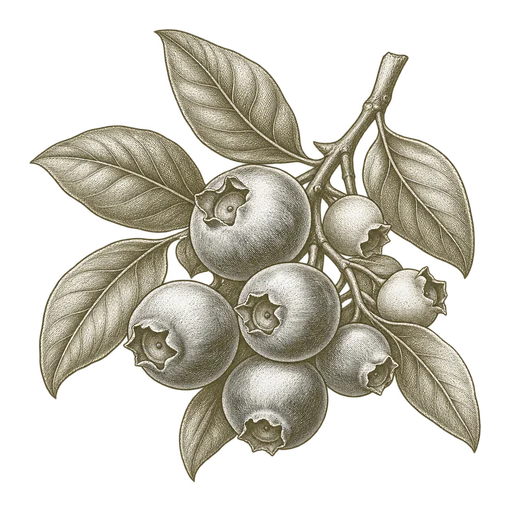
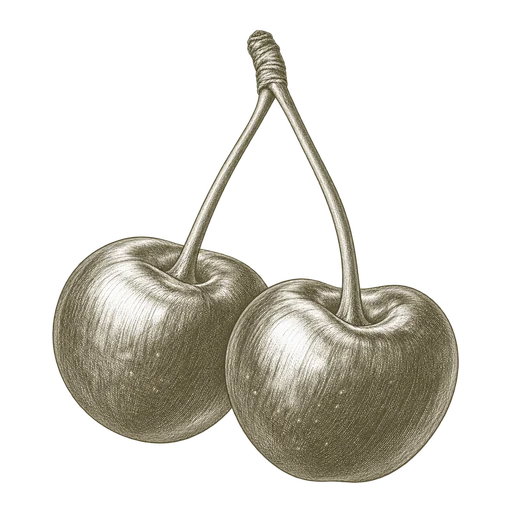
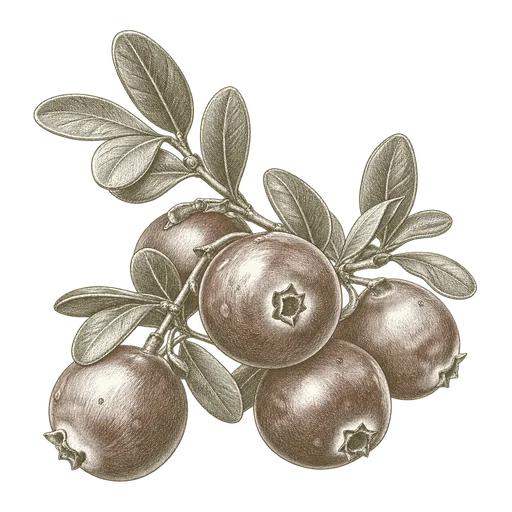
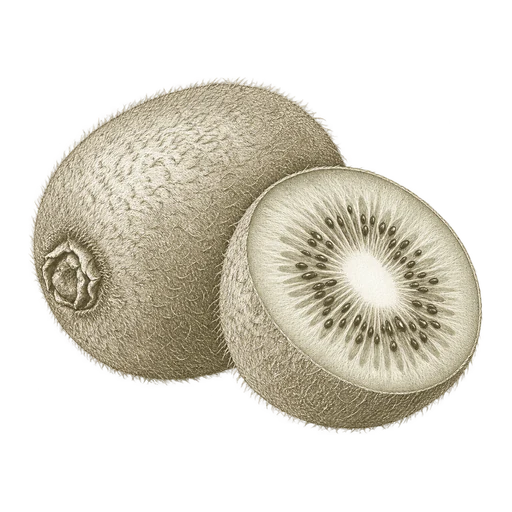
Fruit ingredients can arrive as whole fruit, processed pieces, powders or processing co-products, and those forms are not interchangeable. This collection includes blueberries, cherries, cranberries, kiwi and pineapples, as well as blueberry pomace and cranberry powder. For bulk purchasing, identify the exact form and processing method first; then compare specifications, test methods, packaging and handling details against the intended use. The ingredient name alone does not establish a lot’s
Bulk blueberries are sourced as frozen whole fruit, dried berries, powder, puree and other distinct forms. Match the form and its quality measures to the recipe, processing method and receiving requirements.
Blueberry pomace is fruit residue from juice or puree processing, sold as wet material, dried pomace or powder. Choose the form for your process and compare the offered lot’s moisture, particle form and composition.
Bulk cherries may mean whole fruit, processed cherries or a distinct fraction such as pomace. Identify sweet or sour cherry and the processing form first; these choices affect product use, quality checks and the specifications needed for a useful quote.
Bulk cranberries can mean whole fruit, juice products, dried fruit, pomace or extracts. Identify the exact form and application, then compare its processing, analysis and handling requirements rather than treating cranberry products as interchangeable.
Cranberry powder may be ground whole fruit, dried juice pomace or a pomace extract, and those forms differ in composition and use. Compare ingredient declarations, processing and relevant quality measures before choosing a bulk product for a food formulation.
Bulk kiwi can mean whole fruit, puree, dried fruit, peel, pomace, or extracted fiber. Specify the form and processing history, then compare analysis on a consistent basis and match receiving and storage plans to the product.
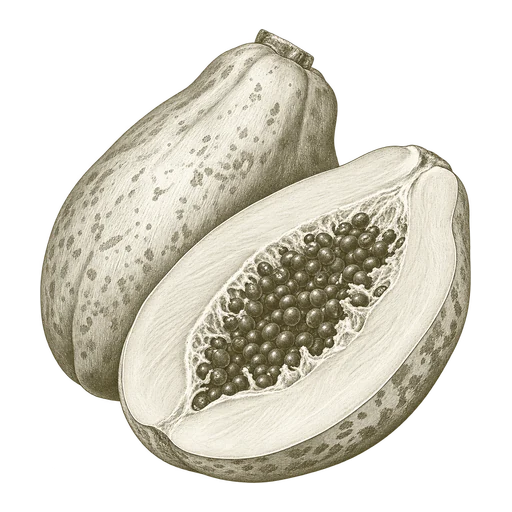
Papaya is sourced as fresh fruit, puree, frozen or canned fruit, dried products, and distinct processing by-products. Identify the exact material and compare form-appropriate quality measures, handling needs and intended use.
Pineapple is sourced as whole fresh fruit, processed food ingredients such as juice and pulp, dried fruit, and distinct processing residues. Identify the exact form and preservation state because quality measures, uses and handling differ across these materials.
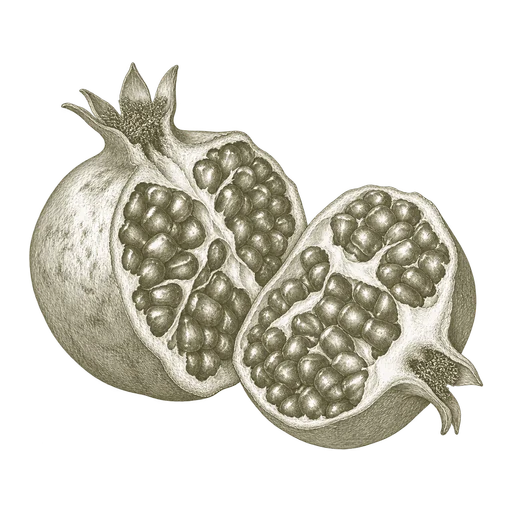
Pomegranate feed by-products can be fresh, dried or ensiled, with composition shaped by the fruit parts and processing. Identify the exact material and compare its moisture basis and analysis before evaluating it for a ruminant ration.
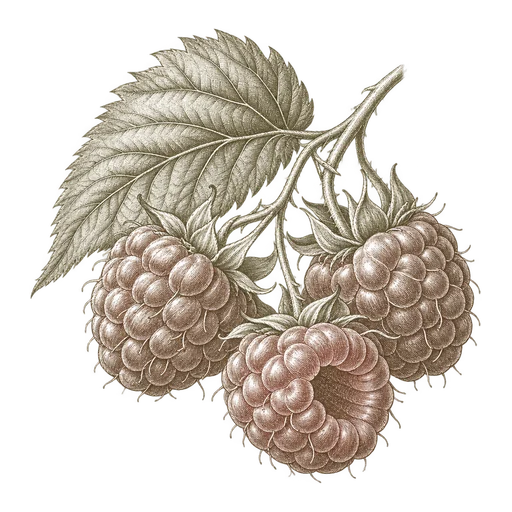
Bulk raspberries can mean frozen whole fruit or a distinct processing by-product such as raspberry pomace. Identify the form first, then compare quality criteria or analysis suited to its intended use.
Different fruit forms require different specifications
This collection spans whole fruits, a processing co-product and a powdered ingredient. Blueberries, cherries, cranberries, kiwi and pineapples can be supplied in different forms, so a fruit name alone does not establish whether a product is fresh, frozen, dried or otherwise processed. Form affects handling, storage and how the ingredient performs in a recipe or process.
Specifications are product-specific, not interchangeable across fruits or forms. For example, criteria written for fresh cherries do not automatically apply to dried cherries. Confirm the exact form and the specification basis before comparing lots.
Distinguish pomace from fruit powder
Blueberry pomace is a fruit-processing residue, not simply another name for whole-fruit powder. It has been studied as a poultry-feed ingredient, but that does not establish a suitable inclusion rate or use for other species or applications. Feed buyers should assess it for the intended diet and request relevant lot data.
Cranberry powder can describe products made from different starting materials and processes. A juice-derived powder, an extract powder and a whole-fruit powder may differ in carriers, concentration and function. Clarify the starting material, processing method, carrier ingredients and any standardization target.
Match quality checks to the intended use
Ask for a specification tied to the precise product and form. Depending on the ingredient and use, relevant details can include piece or particle size, moisture, water activity, carrier content, microbiological criteria or marker compounds. Test methods and measurement basis matter: a result is difficult to interpret without knowing how it was measured.
For perishable forms, confirm handling and storage instructions for the specific lot. Freezing alone does not establish pathogen elimination, and category names do not establish shelf life or storage conditions.
Common questions.
Does cranberry powder always contain only cranberry?+
No. It may be whole-fruit, juice-derived or extract-based, and some powders include carriers or flow agents. Verify the composition and processing details.
Is blueberry pomace interchangeable with blueberry powder?+
No. Pomace is a processing residue, while powder can refer to different processed fruit materials. Confirm identity and suitability for the intended use.
Can one dried-fruit specification cover every fruit?+
No. Specifications depend on the fruit, form and intended purchase terms. Confirm that the limits and test methods apply to the exact product.
What should I confirm for fresh or frozen fruit?+
Confirm the product form, lot condition, packaging and handling or storage instructions. Freezing by itself does not prove pathogen elimination.
Fruit ingredient specifications · BUYER INSIGHTS
Go deeper before you source.
Focused guides to the specification, application, and delivery questions behind this ingredient.