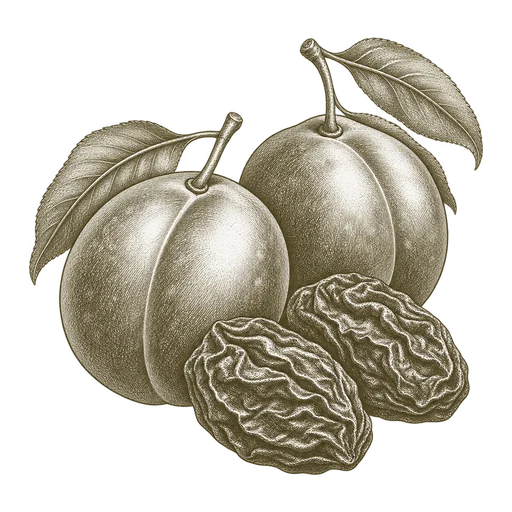
Dried Fruits
Plums
Plums are sourced fresh or as dried whole fruit, pieces and puree for food uses. Choose the form around the recipe and production process, then compare the quality measures that apply to that specific product.
Explore ingredientThe Stone fruit collection is currently represented by Plums. Use the exact product form and its applicable quality details—not the broad tag alone—to assess bulk fit.
Plums are sourced fresh or as dried whole fruit, pieces and puree for food uses. Choose the form around the recipe and production process, then compare the quality measures that apply to that specific product.
Explore ingredientThis collection groups ingredients under the Stone fruit tag. Its supplied member is Plums, so the collection should not be read as a complete range of stone-fruit products or as evidence that any particular lot is available.
The name Plums alone does not specify whether a product is fresh, dried, pitted, cut, pureed or a processing by-product. Establishing the exact form is the first step in deciding whether an offer fits a food, feed or manufacturing use.
Different plum forms have distinct handling and quality considerations. For dried products, clarify whether fruit is whole or pitted, whether it is sold as pieces, and whether it has been coated, treated or preserved. For puree, ask for the applicable composition and processing details. Do not assume specifications for one form apply to another.
When evaluating bulk offers, compare the same product form and agreed quality limits. Request lot-specific moisture results and test method, size or cut information, pit or pit-fragment limits, grade where applicable, and the ingredient and additive statement. Fresh-fruit storage guidance does not establish suitable conditions for dried plums or puree.
Food formulations may call for whole fruit, pieces or puree depending on the process and desired handling. A by-product such as plum pomace is a different ingredient identity; do not infer its composition or suitability from specifications for whole or dried plums. For feed or pet-food use, request documentation specific to the product and intended application.
No. The supplied member is Plums, and the tag does not identify its form or processing. Confirm whether the product is fresh, dried, pitted, cut, puree or another form.
Compare matching product forms and request the applicable specification, lot-specific moisture and test method, size or cut, pit-fragment limits, grade if relevant, and ingredient or additive statement.
No. Fresh-fruit guidance does not establish storage conditions or shelf life for dried products or puree. Request conditions for the exact product and packaging.
No. Pomace is a distinct processing by-product. Verify its identity, composition, safety information and suitability for the intended use rather than applying specifications for whole fruit.
Focused guides to the specification, application, and delivery questions behind this ingredient.
Plan bulk plum receiving around the exact product form, quantity, packaging, unloading method and destination. Storage instructions should match the plums’ moisture, packaging and preservation treatment.
Read this InsightCompare plum puree and pieces by their role in a recipe, the preparation and process each requires, and the specifications food manufacturers should define before sourcing.
Read this InsightA practical guide to comparing bulk dried plum specifications by form, grade, size, moisture basis, defects, pit fragments and treatment.
Read this Insight