Start with the measures that affect use
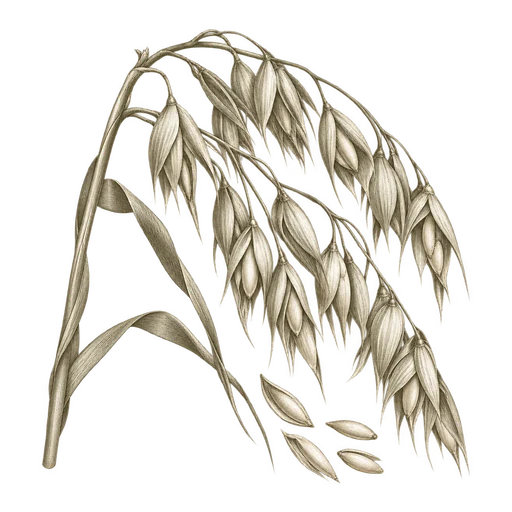
Oat groats are oat kernels with the inedible outer hull removed. When comparing bulk lots, focus on measures that describe condition, cleanliness and composition: moisture, foreign material, damaged or broken material, color and the nutritional components relevant to your product. No single result describes overall quality. A lot can have an appealing appearance but still differ in moisture or composition, so evaluate the measures together against your process or formulation.
Ask for results tied to the lot being offered and for the test method or analytical basis used. Methods, sample preparation and definitions can differ. That matters especially when comparing supplier specifications, because two numbers are useful side by side only when they describe the same measure in a comparable way.
Moisture, cleanliness and physical condition
Moisture helps characterize the groats as received and informs storage and processing decisions. Its meaning depends on how it is reported: an as-fed result describes the product in its received state, while a dry-basis result expresses a component relative to the material after accounting for water. The same distinction matters when comparing composition results. Ask which basis applies rather than treating figures on different bases as directly comparable.
Foreign material describes matter that is not part of the intended groat product. Its definition should be clear: screens, sampling and sorting conventions can affect what a report counts. The result is relevant to cleaning needs and to how much incoming material meets the buyer’s usable-product definition. Ask whether the reported measure includes specific materials or separates them.
Damage and breakage are also worth distinguishing. Broken pieces can affect appearance, particle distribution and processing behavior, while a damage category may refer to other visible defects under the test’s definitions. A specification should make clear what counts and whether these conditions are combined or reported separately. Color is a useful appearance measure when visual consistency matters, but color alone does not identify the cause of a difference or substitute for moisture, cleanliness or composition results.
Composition needs a stated reporting basis
Composition testing can help buyers assess whether oat groats fit a food formulation or ingredient program. Depending on the intended use, relevant results may include protein, fat, fiber or other requested components. These measures describe the analyzed material, not a guarantee of performance in a finished product. A formulator should compare the results with the requirements of the recipe and the processing steps involved.
Always note whether composition is reported as-fed or on a dry basis. Water contributes to the as-fed sample weight, so an as-fed percentage and a dry-basis percentage answer different questions. Comparing one of each without conversion can make a lot appear higher or lower in a component simply because the reporting bases differ. Review the method, sample identity, units and basis together, and use a consistent basis for lot-to-lot comparisons.
Test weight is not a groat nutrient result
Test weight is a bulk-density measure commonly used for whole oats before dehulling. It can help indicate likely groat yield from the incoming oats because kernel characteristics influence how much groat is recovered during dehulling. It does not measure the protein, fat, fiber or other nutrient composition of the groats themselves.
That distinction is important when a buyer is sourcing already-dehulled groats. Test-weight information about the original whole oats may provide processing context, but it should not stand in for analysis of the finished groat lot. For a direct comparison of groat composition, use results measured on the groats and reported on a stated basis.
Build a comparable specification before buying
A useful comparison sheet names each measure, its unit, test method or stated definition, and whether results are as-fed or dry basis. Include moisture, foreign material, physical damage or breakage, color where appearance matters, and the composition measures required for your application. Keep test weight in a separate context if it refers to whole oats entering a dehulling process.
Before making a purchase decision, match the specification to the product form and intended use. Clarify whether the results describe the offered lot, how defects and foreign material are defined, and which analytical methods produced the composition figures. To source the product, see the [Oat Groats](/ingredients/oat-groats) page and provide your required specification, quantity and destination.
Common questions.
Which quality measures should I compare for bulk oat groats?+
Compare moisture, foreign material, damage or breakage, and any color or composition measures relevant to your use. Review units, definitions, test methods and reporting basis alongside the results so that supplier figures are genuinely comparable.
Does oat test weight show the nutrient quality of oat groats?+
No. Test weight is a bulk-density measure associated with whole oats and can help indicate likely groat yield before dehulling. It does not measure the nutrient composition of the finished groats.
Why does as-fed versus dry-basis reporting matter?+
As-fed results describe the product with its moisture included in the sample weight; dry-basis results account for that water when expressing composition. Comparing results reported on different bases can mislead, so use the stated basis and method when evaluating lots.