Whole kernels retain their form
Whole groats can be cooked as kernels or sent for further processing. They differ from cut oats, flakes, and flour in particle form, which affects how they enter a recipe or processing line.
Ingredient intelligence · quote-ready sourcing
Colored oat groats are dehulled oat kernels for food processing and other uses. Clarify whether color refers to the hull or groat, and specify kernel form and processing state so the offer matches your use.
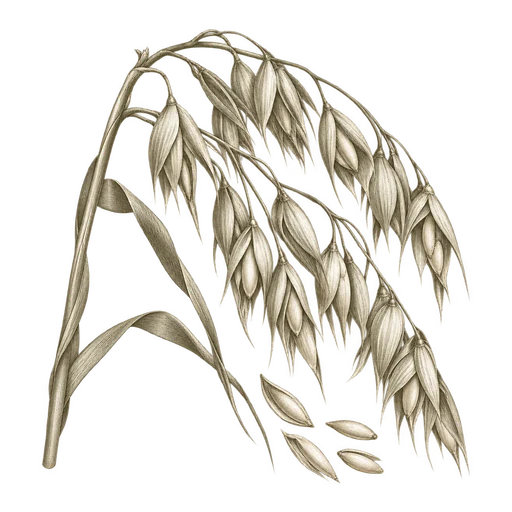
Oat groats are oat kernels after the hull has been removed. Because “colored” can describe either the original hull or the groat itself, specify the intended meaning rather than treating those descriptions as interchangeable.
Groats may be further processed by polishing, sizing, cutting, steaming, or rolling. These steps change the supplied form and processing state, so the word “groats” alone does not establish whether a product is raw or heat-treated.
Whole groats can be cooked as kernels or sent for further processing. They differ from cut oats, flakes, and flour in particle form, which affects how they enter a recipe or processing line.
Separating hull color from groat appearance prevents a visual description from being mistaken for a kernel attribute. A defined visual or measured criterion makes appearance comparisons more meaningful.
Raw and heat-treated groats are not interchangeable assumptions. Knowing whether the kernels were steamed or otherwise processed helps buyers align the offered product with their process and storage program.
| Characteristic | Why it matters |
|---|---|
| Identity and form | Establishes that the product is dehulled whole groats rather than intact oats, flakes, or another processed form. |
| Color definition | Distinguishes hull color from visible groat color; an appearance criterion needs a defined assessment method. |
| Processing state | Clarifies whether kernels are raw or heat-treated and whether they have been cut, rolled, polished, or sized. |
| Moisture and physical condition | Moisture, foreign material, and kernel integrity help assess the lot for the intended process and handling plan. |
| Composition, when relevant | Protein, oil, beta-glucan, starch, and ash results can support composition-sensitive uses when reported for the lot with the analytical basis. |
These are comparison points, not guaranteed values for an offered lot. Test weight can be relevant to incoming oat grain and milling yield; choose measures appropriate to finished groats and the intended use.
Color alone is not a reliable substitute for composition testing. For an appearance-led purchase, agree on whether the criterion is visual or measured and how acceptable variation will be judged. For a composition-sensitive use, compare lot-specific results for the relevant measures—such as protein, oil, beta-glucan, starch, and ash—and make sure the analytical basis is stated.
Moisture, foreign material, and kernel integrity help describe the physical condition of the lot and its handling needs. Test weight can be relevant when evaluating oat grain for milling and expected groat yield; for finished groats, choose measures that reflect the actual downstream process. Values from particular varieties, growing conditions, or sample sets should not be treated as specifications for every offer.
For human food, whole groats can be cooked or processed into cut oats, flakes, or flour. The required form depends on the product and equipment: whole kernels retain their shape, while cut or rolled products behave differently in cooking and processing. Food use also requires the lot to meet the buyer’s applicable food-safety and quality program.
Oats are also used in animal feed, but that general use does not establish that a specific groat lot fits a particular species or ration. Feed buyers should evaluate nutrient data, physical form, and relevant contamination requirements with their formulation team. Do not infer pet-food suitability from human-food or livestock-feed use.
A useful order description identifies the exact form, what “colored” means, whether the groats are heat-treated, quantity and unit, destination, timing, and packaging or receiving method. These details allow a broker to discuss the product and delivery requirement together; price and availability depend on the specific offer.
Storage guidance should match the actual lot and its condition. Moisture, heat treatment, packaging, and the buyer’s food or feed program all matter; untreated groats should not be assumed to have the same stability as steamed or stabilized oat products. Obtain handling guidance for the product being offered rather than applying a universal storage period.
Groats can be cooked and used as whole kernels in food products. Confirm the supplied form and that the lot meets the buyer’s food-safety and quality program; color does not establish food-grade status.
Whole groats can be cut, rolled, or milled into other oat forms. The starting form and any prior heat treatment matter when matching the ingredient to downstream equipment and process requirements.
Oats are used in animal feed, but a particular groat lot must be evaluated for the intended species and ration. Buyers should consider feed-specific nutrient data, physical form, and applicable contamination requirements.
Identify whole groats or another requested form, what “colored” describes, and whether the product must be raw or heat-treated. Include quantity and unit, destination, and timing so the broker can assess the specific requirement.
State the required packaging or receiving method and describe facility access and unloading constraints. These details matter when matching an offered shipment to the receiving setup; packaging and freight arrangements depend on the specific offer.
Tie storage and handling plans to the lot’s moisture, processing state, packaging, and food or feed program. Do not assume untreated groats have the same stability as steamed or stabilized products; obtain guidance for the offered product.
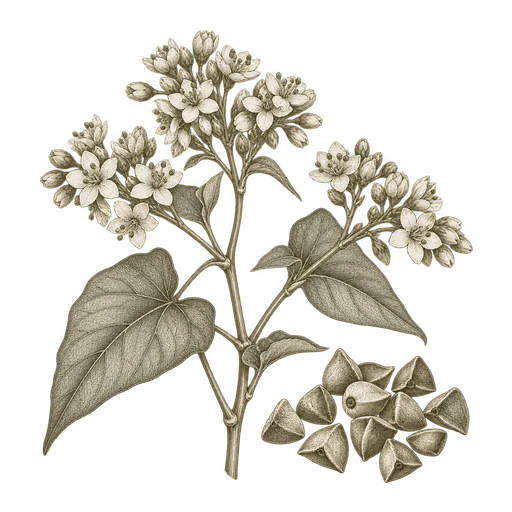
Buckwheat is sourced as whole seed, dehulled groats, flour and milling by-products for food and feed uses. Choose the form and processing status for the intended use, and compare lot quality on a clearly stated basis.
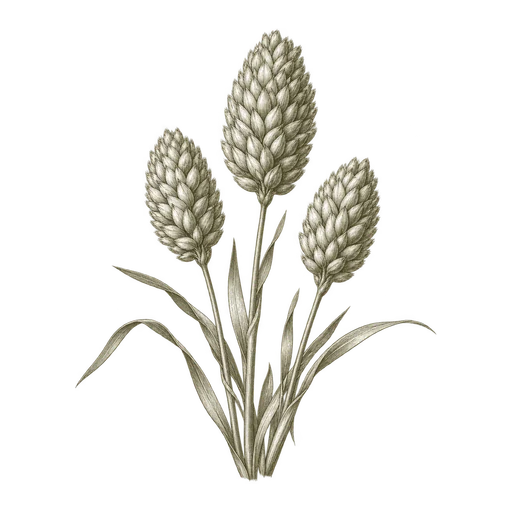
Explore ingredientCanary seed is a grass grain sourced mainly for bird-feed blends, with specific glabrous varieties also processed into food ingredients such as groats and flour. Identify the hull type, intended market and processing form before comparing bulk lots.
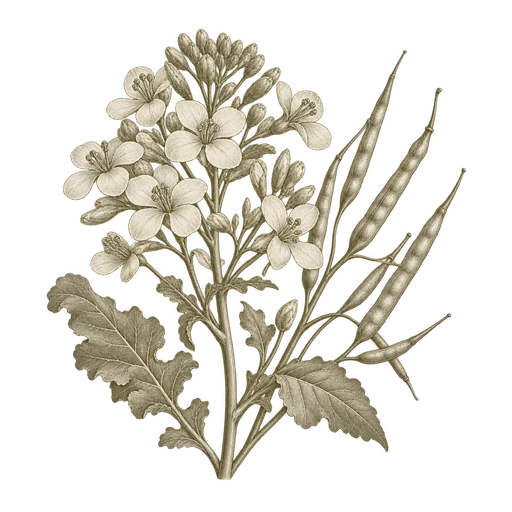
Explore ingredientCanola refers to seed and products including edible oil and feed meal. For bulk sourcing, identify the product and, for meal, compare processing, physical form and lot analysis to match the feed formulation and receiving setup.
Explore ingredientColored safflower is safflower seed identified by its appearance, but the name can mean naturally colored or artificially treated seed. Establish the product identity and intended use, then compare whole-seed condition, moisture and test weight for bird-feed applications.
Explore ingredientIt can refer to the hull color of intact oats or the visible color of the dehulled groat. Because hulling removes the hull, specify which one you mean; hull color does not establish groat color or composition.
The name “groats” alone does not specify the processing state. Groats may be further processed, including steaming, cutting, or rolling, so identify whether you need raw or heat-treated whole kernels.
Compare identity and form, color definition, processing state, moisture, foreign material, and kernel condition. If composition matters to your use, request relevant lot-specific results with the analytical basis stated. Delivered price also depends on quantity, destination, timing, packaging, and the offered lot.
Send your volume, destination, and key specifications. A broker can follow up with availability and commercial terms.