Grains
Alfalfa
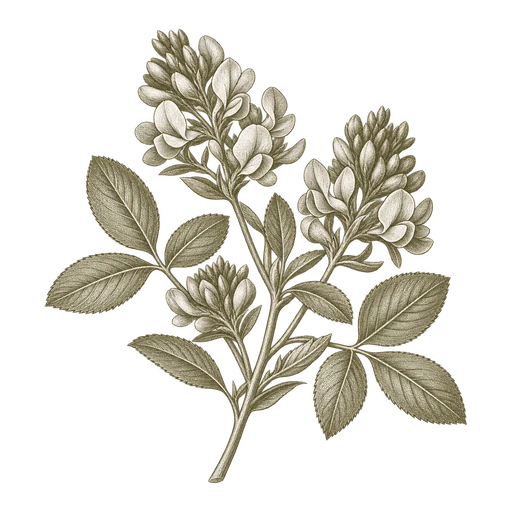
Alfalfa is a forage legume sourced as hay, silage, meal or pellets for livestock feed. Match the form to receiving and ration needs, then compare a lot-specific analysis on a consistent basis.
Explore ingredientA practical guide to comparing dextrose monohydrate and anhydrous specifications, with attention to moisture, reducing-sugar results, analytical basis and particle-size data.
Dextrose monohydrate and anhydrous dextrose are both crystalline forms of dextrose, but they differ in water associated with the crystal structure. Monohydrate contains water of crystallization; anhydrous dextrose does not. That distinction affects how buyers should interpret moisture and solids results, and it means a specification written for one form should not automatically be applied to the other.
When comparing offers, first establish which form the product specification names. Then check that the certificate of analysis (COA) refers to the same form and lot. If a document says only “dextrose,” ask whether it identifies monohydrate or anhydrous material. Without that detail, comparisons of moisture, solids or assay results can be misleading.
Moisture and total solids describe related but different aspects of a powder. Moisture reports water under a stated test method; total solids reports the solid portion under its stated method or calculation. For monohydrate, the water associated with the crystal is part of the named form, so its moisture result is not directly comparable to an anhydrous product’s result as if the two forms had identical composition.
Look for the test method, reporting basis and form alongside each result. “As-is” or as-received values describe the material as tested, while dry-basis values express a result after accounting for moisture. The basis affects interpretation of other measurements too. Do not calculate or convert results unless the documents provide the needed basis and method; compare the reported values against the current specification for that specific form.
Dextrose is a reducing sugar, so a reducing-sugar result can help characterize the product. It is not automatically interchangeable with a dextrose assay: the terms describe different analytical measures, and test methods can define what a result represents. A result reported on an as-is basis can also differ from one expressed on a dry basis because moisture is treated differently.
When reviewing a COA, note the method, units and reporting basis, then compare the result with the matching line in the product specification. If the specification and COA use different methods or bases, request an explanation before treating the numbers as a pass-or-fail comparison. Do not assume a threshold for one hydration form establishes a suitable criterion for the other.
Particle-size information describes the distribution or dimensions of powder particles; it does not identify whether dextrose is monohydrate or anhydrous. Where particle-size data matter to a process, read the full measurement description, including the method, units and whether the result is a typical value, range or sieve result. A single figure without that context may not support a useful comparison.
Particle size can affect practical handling and incorporation, including how a powder moves through equipment or disperses in a process. The relevant profile depends on the buyer’s operation. Compare it against the process requirement rather than assuming that finer or coarser material is universally preferable, and keep particle-size criteria distinct from chemical composition criteria.
A useful comparison has matching rows for product form, moisture or total solids, reducing-sugar result, analytical basis, test method and any particle-size measure important to the receiving process. For each value, distinguish the specification limit or target from the actual lot result on the COA. A product specification describes requirements; a COA reports results for a particular lot.
Before approving a dextrose purchase, make sure the specification and COA identify the same hydration form and use comparable analytical methods and reporting bases. If a number appears inconsistent, resolve whether the difference comes from form, method, basis or an actual result before judging the material. For bulk sourcing, start with the [dextrose page](/ingredients/dextrose) and specify whether the required product is monohydrate or anhydrous; then compare the current product specification and lot COA against the needs of your process. Offered details and commercial terms depend on the supplier and lot.
Not by default. The forms differ in water of crystallization, so moisture results need to be interpreted against the specification for the named form, with the test method and reporting basis understood.
Not necessarily. They are different analytical measures, and their meaning depends on the test method, units and reporting basis. Compare each result with the matching specification line.
No. Particle size describes physical dimensions or distribution, not hydration form. Confirm the form from the product identity and specification, and assess particle size separately if it matters to your process.
Focused guides to the specification, application, and delivery questions behind this ingredient.
Prepare a bulk dextrose order by matching the exact form and quantity to your destination, receiving equipment and storage plan. Moisture protection and clean handling matter for dry product; packaging and shipment details require confirmation for the specific offer.
Read this InsightA practical guide to dextrose’s possible taste and carbohydrate roles in pet food, with attention to species, particle size, processing and the product details formulators should compare.
Read this InsightAlfalfa is a forage legume sourced as hay, silage, meal or pellets for livestock feed. Match the form to receiving and ration needs, then compare a lot-specific analysis on a consistent basis.
Explore ingredientAlfalfa meal is ground forage used in animal feed, with sun-cured and dehydrated processing routes and meal or pellet forms. Compare the offered process, physical form and analysis against the needs of the species and feed formulation.
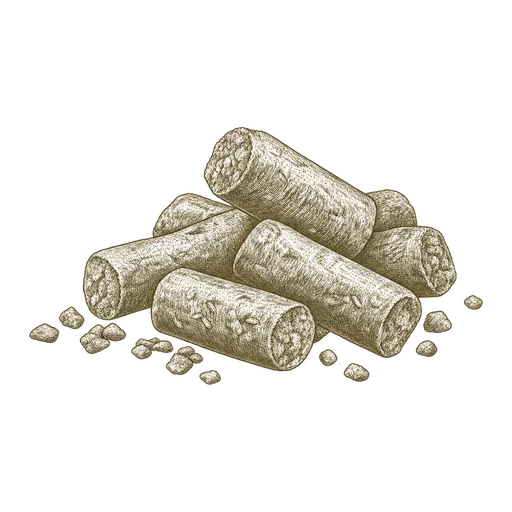
Explore ingredientAlfalfa pellets are ground, compressed forage used in livestock feeding and compound feeds. Compare the drying process, alfalfa material, forage analysis and pellet characteristics to choose a form that fits your ration and receiving setup.
Explore ingredientBeet pulp pellets are a dried, compacted sugar beet co-product used as a fibrous, energy-bearing ingredient in livestock feed. Compare molasses status, lot analysis and pellet handling needs to match the product to your ration and receiving setup.
Explore ingredient