Grains
Alfalfa
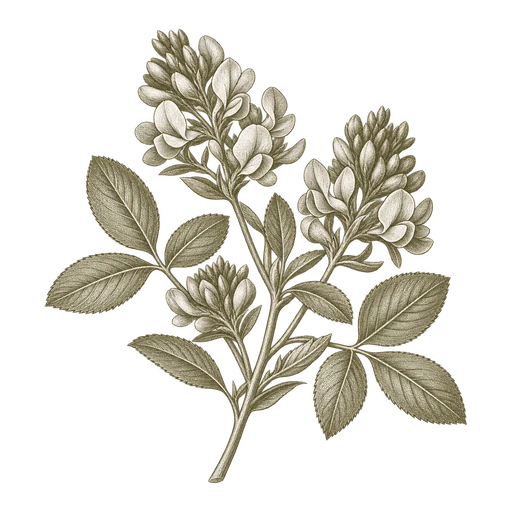
Alfalfa is a forage legume sourced as hay, silage, meal or pellets for livestock feed. Match the form to receiving and ration needs, then compare a lot-specific analysis on a consistent basis.
Explore ingredientPrepare a bulk dextrose order by matching the exact form and quantity to your destination, receiving equipment and storage plan. Moisture protection and clean handling matter for dry product; packaging and shipment details require confirmation for the specific offer.
Before arranging a bulk dextrose shipment, identify the exact product form and grade your operation needs. Dry dextrose may be supplied in different physical forms, and details such as particle form or hydration designation can affect how it moves through your process and how you receive it. Do not treat a liquid product as interchangeable with dry dextrose: its handling and receiving needs differ substantially.
State the form exactly as it appears in the product description or specification, and note any required grade or intended-use restrictions. If those details are unclear, resolve them before planning equipment or storage. The [dextrose sourcing page](/ingredients/dextrose) is a starting point for identifying the ingredient; the specific offer determines the product and handling details.
A useful bulk inquiry identifies the dextrose form, total quantity and unit, delivery destination, and requested timing. Include the receiving location’s access constraints, such as delivery-hour windows or restrictions on the type of vehicle or unloading arrangement it can accommodate. These details help establish whether the proposed shipment can be received at your facility.
Describe the packaging or delivery method your site can handle rather than assuming a particular option is available. Bagged or tote packaging, where offered, requires suitable staging and handling equipment; a bulk dry shipment requires compatible receiving and storage equipment. Packaging, shipment configuration, minimum order, lead time and freight terms are offer-specific, so have them stated for the exact order.
Before confirming an order, compare the proposed delivery setup with your actual receiving system. Check that the unloading location is accessible, the equipment can handle the stated package or product form, and the destination has enough space for the shipment. For a bulk dry delivery, review the connection and transfer arrangements with the people responsible for receiving ingredients; for packaged product, consider how packages will be moved from the delivery point into protected storage.
Agree in advance on who will receive the load, where it will be unloaded and what happens if the receiving area is unavailable. Confirm any site-specific appointment, access or unloading requirements with the relevant parties. These are operational decisions, not details to infer from the ingredient name.
Moisture protection matters for dry dextrose because contact with water can dissolve the sugar, while moisture exposure can also contribute to clumping. Keep the storage plan aligned with the instructions for the exact grade and packaging. Do not substitute a general storage assumption for product-specific guidance on conditions, package closure or handling.
Plan to keep product protected from water, damp surfaces and contamination during unloading and storage. Use clean, dry receiving and transfer equipment, and protect opened packages or storage access points between uses. If the ingredient will enter a food or feed process, make sure the storage area and handling practices support that intended use and prevent contact with incompatible materials.
Ask for the handling and storage instructions that apply to the offered dextrose, along with its product identification and relevant quality documents. Review any stated packaging limitations, storage conditions and instructions for opened or transferred product. Do not assume a shelf life, storage limit or package configuration unless it is provided for that product.
A complete order plan ties the material description to the quantity, destination, receiving method and storage location. Confirm those details, as well as shipment timing and freight terms, for the specific offer before making facility arrangements. That preparation helps prevent a mismatch between the dextrose ordered and the equipment or storage your site can use.
Specify the dextrose form and grade, quantity and unit, delivery destination, requested timing, packaging or delivery preference, and your facility’s unloading constraints. Include any required quality or intended-use criteria so the offer can be matched to your process.
Dry dextrose can dissolve when exposed to water, and moisture can contribute to clumping. Follow the storage and package-handling guidance for the exact product, and keep receiving and storage areas clean and dry.
The delivered offer depends on the specific product and form, order quantity, packaging or shipment arrangement, destination and freight terms. Request the price and delivery details for the exact order rather than relying on a general estimate.
Focused guides to the specification, application, and delivery questions behind this ingredient.
A practical guide to dextrose’s possible taste and carbohydrate roles in pet food, with attention to species, particle size, processing and the product details formulators should compare.
Read this InsightA practical guide to comparing dextrose monohydrate and anhydrous specifications, with attention to moisture, reducing-sugar results, analytical basis and particle-size data.
Read this InsightAlfalfa is a forage legume sourced as hay, silage, meal or pellets for livestock feed. Match the form to receiving and ration needs, then compare a lot-specific analysis on a consistent basis.
Explore ingredientAlfalfa meal is ground forage used in animal feed, with sun-cured and dehydrated processing routes and meal or pellet forms. Compare the offered process, physical form and analysis against the needs of the species and feed formulation.
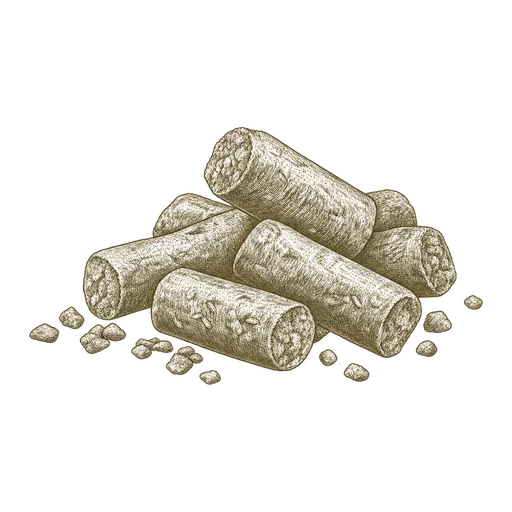
Explore ingredientAlfalfa pellets are ground, compressed forage used in livestock feeding and compound feeds. Compare the drying process, alfalfa material, forage analysis and pellet characteristics to choose a form that fits your ration and receiving setup.
Explore ingredientBeet pulp pellets are a dried, compacted sugar beet co-product used as a fibrous, energy-bearing ingredient in livestock feed. Compare molasses status, lot analysis and pellet handling needs to match the product to your ration and receiving setup.
Explore ingredient