Grains
Alfalfa
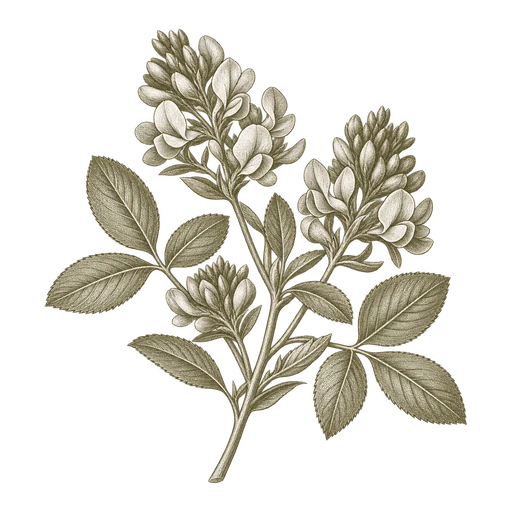
Alfalfa is a forage legume sourced as hay, silage, meal or pellets for livestock feed. Match the form to receiving and ration needs, then compare a lot-specific analysis on a consistent basis.
Explore ingredientA practical guide to dextrose’s possible taste and carbohydrate roles in pet food, with attention to species, particle size, processing and the product details formulators should compare.
Dextrose is glucose, a simple sugar supplied in crystalline or powdered forms. In pet food formulation, it can contribute a readily available carbohydrate and a sweet taste. Whether those traits serve a purpose depends on the recipe, processing method and animal species—not simply on the fact that the ingredient is a sugar.
A palatability role should be treated as a formulation question, not a guaranteed outcome. Dogs can perceive sweet tastes, while cats do not have a functional sweet-taste receptor. That distinction is a reason to evaluate a dextrose-containing recipe for its intended species rather than assume that sweetness will produce the same response across pet foods. Palatability also depends on the complete formula and how its flavors are presented.
Powder particle size affects how an ingredient moves through a mixing process. Finer particles can disperse differently from coarser crystals and may dissolve more quickly when added to a water-based mixture. In a dry blend, particle size and density differences between ingredients can affect how uniformly the blend mixes and whether components separate during handling. These are process considerations, not evidence that one particle size is universally better.
Ask how the offered dextrose is described physically: for example, whether it is a powder or crystalline product and whether a particle-size specification is available. Compare that information with the other dry ingredients, the mixer and the point at which the dextrose enters the process. If it is added to a liquid or wet mixture, consider how it will dissolve and disperse under the actual mixing conditions.
Start with the intended animal and the ingredient’s role in the formula. A taste contribution that might be relevant in one product should not be presumed useful in another, especially when the species differs. The formulator should also weigh the carbohydrate contribution against the recipe’s broader nutritional design and the functions of its other ingredients.
Processing can change what happens to dextrose in the finished food. Because glucose is a reducing sugar, it can participate in browning reactions with amino-containing ingredients when heat and other conditions are suitable. The extent and practical effect depend on the formula and process. For products involving heating, ask whether the timing of addition and process conditions could affect color, flavor or other product characteristics; do not assume that the reaction will occur to a particular degree.
Confirm the product’s identity and form, including whether it is anhydrous dextrose or dextrose monohydrate if that distinction matters to the formula. These forms differ in water content, so comparing them on an equal-weight basis may not represent an equal amount of glucose solids. The product specification should make the hydration form clear; any comparison should use a consistent basis.
Then establish the quality and handling information relevant to the intended use. That can include the applicable ingredient grade, composition details, physical description, particle-size information and documentation needed for the product and jurisdiction. Ask for lot-specific documents when needed to evaluate an offer. No single general-purpose specification establishes that a particular dextrose product meets every pet food manufacturer’s requirements.
For a bulk quote, provide the requested form, quantity and unit, destination, timing, packaging or receiving method, and relevant technical requirements. Packaging, availability and commercial terms depend on the specific offer. For sourcing options, visit the [dextrose ingredient page](/ingredients/dextrose).
Dextrose contributes a sweet taste, but that alone does not establish a palatability benefit in a finished pet food. Species matters: dogs can perceive sweet tastes, whereas cats lack a functional sweet-taste receptor. Evaluate the ingredient in the full recipe and for the intended species rather than relying on sweetness as a performance promise.
It can matter to handling and incorporation. Particle size influences how a powder behaves in dry blending and how quickly it disperses in a liquid or wet mixture. Compare the available particle-size information with the process and other ingredients; no one size is best for every formula.
Compare the product identity and hydration form, physical form and any relevant particle-size information, along with composition and use-specific documentation. Include the intended species, quantity and unit, destination, timing, packaging or receiving method, and technical requirements in a quote request. Lot-specific analysis and commercial terms depend on the offer.
Focused guides to the specification, application, and delivery questions behind this ingredient.
Prepare a bulk dextrose order by matching the exact form and quantity to your destination, receiving equipment and storage plan. Moisture protection and clean handling matter for dry product; packaging and shipment details require confirmation for the specific offer.
Read this InsightA practical guide to comparing dextrose monohydrate and anhydrous specifications, with attention to moisture, reducing-sugar results, analytical basis and particle-size data.
Read this InsightAlfalfa is a forage legume sourced as hay, silage, meal or pellets for livestock feed. Match the form to receiving and ration needs, then compare a lot-specific analysis on a consistent basis.
Explore ingredientAlfalfa meal is ground forage used in animal feed, with sun-cured and dehydrated processing routes and meal or pellet forms. Compare the offered process, physical form and analysis against the needs of the species and feed formulation.
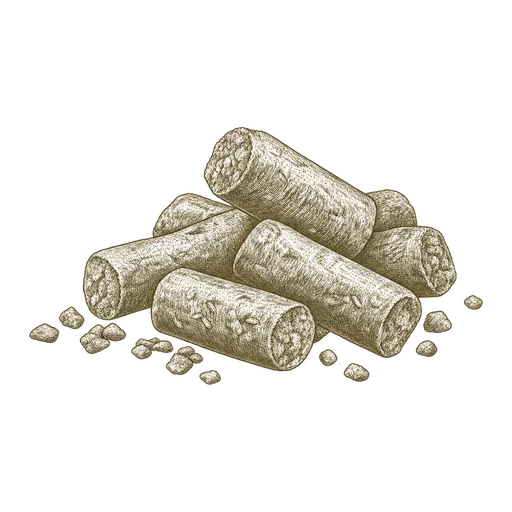
Explore ingredientAlfalfa pellets are ground, compressed forage used in livestock feeding and compound feeds. Compare the drying process, alfalfa material, forage analysis and pellet characteristics to choose a form that fits your ration and receiving setup.
Explore ingredientBeet pulp pellets are a dried, compacted sugar beet co-product used as a fibrous, energy-bearing ingredient in livestock feed. Compare molasses status, lot analysis and pellet handling needs to match the product to your ration and receiving setup.
Explore ingredient